
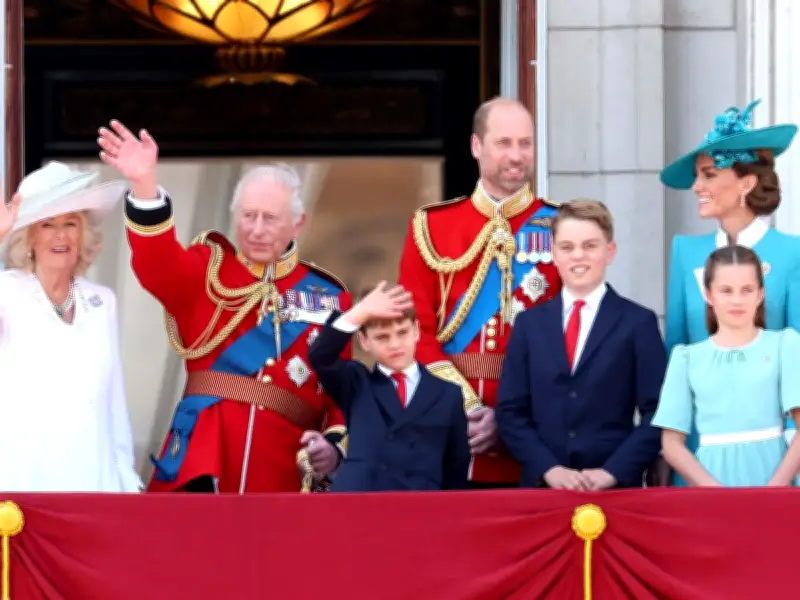
A veteran Labour peer has publicly questioned the cost of the Royal Family, a topic Westminster has long avoided. Lord Foulkes rose in the House of Lords to ask whether the public is paying too much for the monarchy, despite Parliament’s rules barring peers from casting "reflections" on the Royal Family.
The Sovereign Grant, which funds the King’s official duties and the running of the royal household, increased from £86.3 million in 2024-25 to £132.1 million in 2025-26—a rise of £45.8 million in just 12 months. This figure excludes royal security, which is paid separately and never disclosed.
Formula and wind farm profits
The increase stems from a self-calculating formula introduced by George Osborne in 2011, which set the grant as a percentage of Crown Estate profits. The reigning monarch owns the Crown Estate and has rights over the entire seabed, so when wind farm developers paid large option fees, profits soared—and so did royal income.
Now that the wind farms are being built, the fees have dried up and profits have fallen. Instead of the grant falling accordingly, a new deal with the Treasury will raise the royals’ share from 12 per cent to 20 per cent of profits, with no review until 2031. When profits boomed, the Palace cashed in; when they dropped, the rules were changed to protect its income.
Wealth and public money
This comes as families across the country struggle with the cost of living, while the royals live in palaces and fly by private jet. The King’s personal fortune is estimated between £680 million and almost £2 billion. Additionally, when the late Queen died, her private wealth passed to Charles without inheritance tax—an exemption no other family in Britain receives.
The Palace has noted that the Crown Estate has contributed £5.1 billion to the Treasury over the past decade, and that state visits and royal tours benefit British trade and standing abroad. However, this does not explain why, during a cost of living crisis, the rules have been rewritten to protect royal income while others are told to tighten their belts.
Prince Andrew's ongoing issues
King Charles has also signed a cheque worth £1.5 million to bail out his brother Andrew, following Andrew’s arrest earlier this year on allegations of misconduct in public office. It has been nearly a year since October 17, when Andrew announced he would stop using his royal titles, including Duke of York, over the furore surrounding his relationship with sex offender Jeffrey Epstein.
Within a fortnight, the King stripped him of his title of prince and ordered him out of Royal Lodge—the 30-bedroom mansion he left in such a state that Charles had to "loan" him money for urgent renovations. The release of the Epstein files in January in the US unearthed fresh emails and photographs, including one of Andrew leaning over a woman lying on the floor. On his 66th birthday in February, he was arrested and questioned for more than 11 hours. Despite living in exile on the King’s Norfolk estate, Andrew remains under investigation in the UK and refuses to give evidence to US prosecutors.
Harry and Meghan in Nottingham
Harry and Meghan will make their first joint public outing since moving back to Britain in August, in Nottingham on Thursday. It is no coincidence they have chosen the city—it was where they made their first official appearance together in December 2017, days after announcing their engagement, when hundreds lined the streets to greet them. Nine years on, they are no longer working royals, and Harry is not speaking to William.
The Prince and Princess of Wales are being seen together more often, and next month Catherine will travel to Mumbai with William for his Earthshot Prize. It will be her second trip abroad since her cancer diagnosis, after her visit to Italy in May, and their first official overseas trip together since the Earthshot Prize in Boston in 2022.




