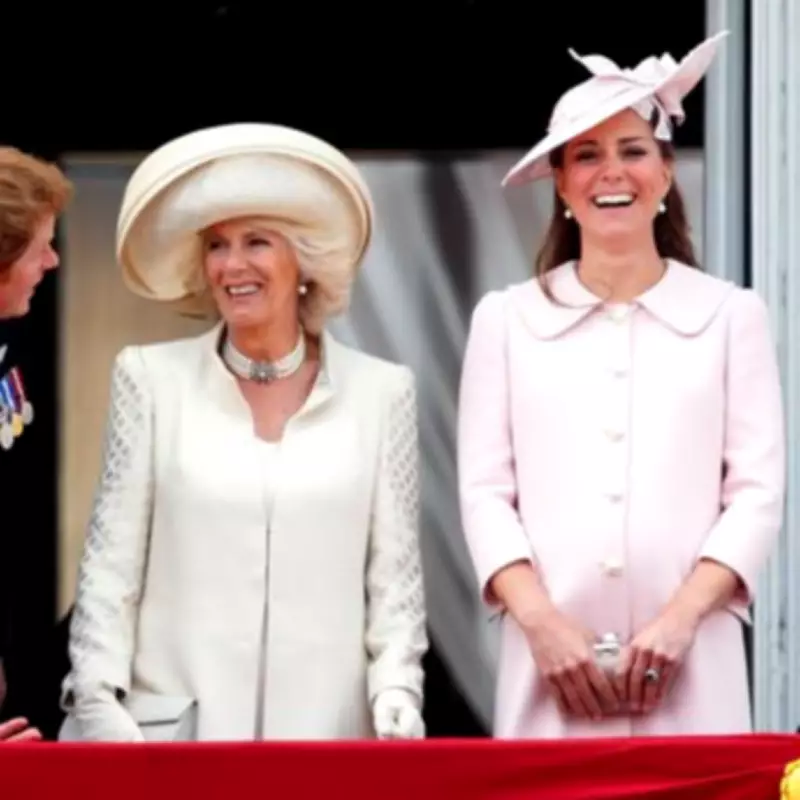
Queen Camilla's Alleged Revenge on Prince Andrew After Years of Royal Tension
From the moment she entered the inner circle of palace life, Queen Camilla has reportedly faced a bitter adversary in her own brother-in-law, Prince Andrew Mountbatten-Windsor. Now, as the Queen Consort stands firmly at the heart of the monarchy, whispers suggest she may have finally exacted a subtle revenge for his past behaviour.
A History of Alleged Hostility and Family Discord
Queen Camilla and her disgraced brother-in-law, Andrew Mountbatten-Windsor, share a dramatic and tumultuous past. It appears the Queen Consort has neither forgiven nor forgotten how the former prince allegedly treated her during her most vulnerable moments within the royal family.
Now the wife and lifelong love of King Charles III, Camilla embodies dignity and duty, championing causes such as domestic violence awareness and support for sexual abuse survivors. However, her journey to this respected position was far from smooth, with Andrew reportedly exacerbating her early struggles.

Following years of scandal and intense public scrutiny, Charles and Camilla made their first public appearance together in 1999. By 2001, she began taking on public duties as president of the Royal Osteoporosis Society, and the following year, she attended Queen Elizabeth II's Golden Jubilee celebrations, seated in the Royal box.
Andrew's Alleged Attempts to Sabotage the Relationship
While Camilla eventually gained Queen Elizabeth's approval, Prince Andrew proved a much more difficult obstacle. According to royal author Angela Levin's 2002 book Camilla: From Outcast To Queen Consort, Andrew allegedly worked behind the scenes to sabotage Charles and Camilla's romance.
Levin claims Andrew even attempted to persuade his mother, Queen Elizabeth, to call off their wedding entirely. Sources allege Andrew regarded his sister-in-law as "insufficiently aristocratic" and "not to be trusted", with his behaviour becoming "very, very negative and extremely unpleasant" when he didn't get his way.
Royal expert Richard Kay has stated that Camilla "always felt Andrew could have done more" to support her during difficult times. Kay emphasised that Andrew was "deeply unhelpful when support would have meant a huge amount to her and the Prince", suggesting Camilla has never forgotten this perceived betrayal.
The Turning of the Tables in Royal Fortunes
The apparent feud between Camilla and Andrew has simmered for years. One notable example occurred during Princess Eugenie's 2018 wedding, which Camilla missed to fulfil a commitment at Crathie Primary School near Balmoral - an unusual absence for her niece's nuptials.
However, the dynamics have shifted dramatically in recent years. While Andrew has faced arrest on suspicion of misconduct in a public office and exile to Norfolk, Camilla remains firmly positioned at the centre of royal life. Royal PR expert Luana Ribeira noted that Andrew's past snubs "didn't make any difference then, but it's likely to actually be helping her now" as public sympathy has turned against the disgraced prince.
Camilla's Alleged Role in Andrew's Downfall
Perhaps most significantly, there have been suggestions that Camilla played a part in the decision to strip Andrew of his royal titles in October 2025. When Andrew was relieved of his princedom and dukedom, the official statement concluded with assurance that "Their Majesties wish to make clear that their thoughts and utmost sympathies have been, and will remain with, the victims and survivors of any and all forms of abuse."
A source told PEOPLE they "sensed a female touch" in this wording, speculating that Camilla and Princess Kate may have "had a hand" in this unprecedented decision. The source emphasised this was a "family decision", theorising that "there would have been a push from Camilla and Catherine" alongside pressure from Prince William.

As Camilla continues her dedicated service as Queen Consort, her journey from royal outsider to central figure stands in stark contrast to Andrew's fall from grace. While revenge is rarely acknowledged in royal circles, the shifting fortunes within the House of Windsor suggest that past grievances may have found their resolution through the natural course of events and changing family dynamics.