Oliver 'Power' Grant, Wu-Tang Clan Co-Founder and Fashion Mogul, Dies at 52
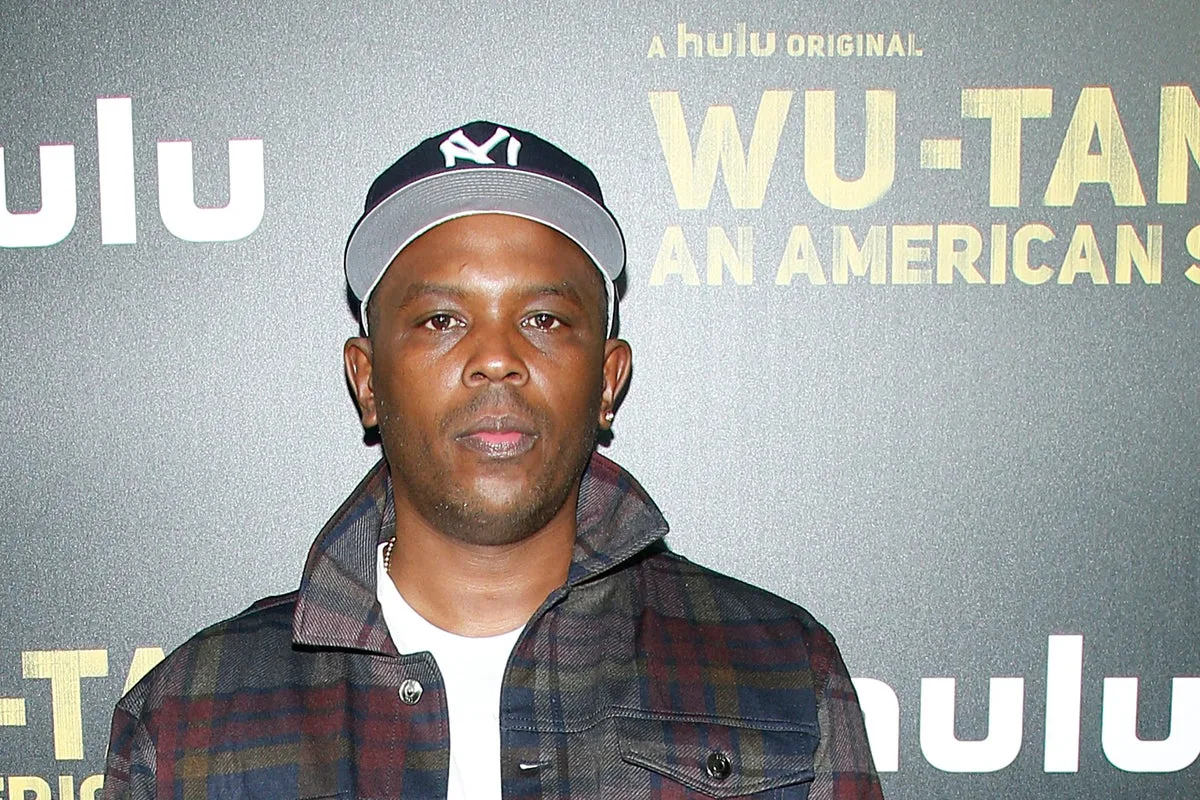
Oliver "Power" Grant, a pivotal co-founder and key architect of the legendary hip-hop collective Wu-Tang Clan, has died at the age of 52. The group confirmed his passing on Monday through a social media post stating "Rest in power, Power," though no cause of death was disclosed. Grant was widely credited by fellow members with shaping the group's early artistic direction and establishing its long-term commercial vision.
Tributes from Wu-Tang Members and Music Industry
Heartfelt tributes immediately flowed from Wu-Tang Clan members who expressed profound grief and recognition of Grant's foundational role. Clifford "Method Man" Smith shared an emotional Instagram post with a photo of Grant, writing: "Paradise my brother safe travels! I am not ok." GZA emphasized Grant's indispensable contribution, stating: "Wu wouldn't have come to fruition without Power." Raekwon commemorated their shared journey, posting: "POWER we been everywhere…now you everywhere!"
The music industry at large joined in mourning. DJ Premier hailed Grant as a "pioneer for the culture," while Loud Records founder Steven J Rifkind, who originally signed Wu-Tang Clan in the 1990s, reflected on their decades-long brotherhood: "We met in May of 1993 and have been brothers since. The laughs, the cries. We travelled the world together. Strongest handshake and hug anybody can give. I'm at a loss of words." Rapper Cam'ron simply posted: "Damn, man!! Thank you for everything, legend."
From Staten Island Projects to Hip-Hop Architect
Born in Jamaica in 1973, Grant was raised in the Park Hills Projects of Staten Island, New York, where he formed the tight-knit circle of friends that would eventually become Wu-Tang Clan. His business acumen proved crucial during the group's formative years. Grant was instrumental in securing funding for their breakthrough first single "Protect Ya Neck" and served as executive producer on their seminal debut album Enter the Wu-Tang (36 Chambers), all while the group remained unsigned and independently operated.
Building the Wu-Tang Empire Beyond Music
As Wu-Tang Clan's influence skyrocketed, Grant spearheaded efforts to expand their brand far beyond music. In 1995, he launched Wu Wear, one of hip-hop's first major artist-owned fashion labels. Built around the now-iconic "W" logo, the clothing line became a retail phenomenon, reportedly generating approximately $25 million annually at its peak.
Grant explained his entrepreneurial motivation in a 2011 interview with Complex: "Initially, when we started doing the music, my interests just came from trying to figure out a way to diversify what we was doing, based on the fact that you know, I wasn't a rapper or a producer or anything like that. At the end of the day, it was just something I made for us, for them to project to the people."
Ventures into Gaming and Acting
Grant further diversified the Wu-Tang enterprise into interactive media, playing a key role in developing and releasing the 1999 PlayStation fighting game Wu-Tang: Shaolin Style, which integrated the group's mythology and music into its gameplay. Simultaneously, he pursued an acting career, making his screen debut in Hype Williams' 1998 crime drama Belly.
His subsequent film appearances included James Toback's 1999 ensemble piece Black and White, featuring multiple Wu-Tang members alongside Hollywood stars like Ben Stiller, Robert Downey Jr., and Mike Tyson. Later credits included When Will I Be Loved and Coalition (both 2004), and a 2011 portrayal of television host Wendy Williams' husband in the biographical film Queen of Media, starring Robin Givens.
Legacy and Hall of Fame Nomination
Grant's passing coincides with Wu-Tang Clan's nomination for induction into the 2026 Rock & Roll Hall of Fame, a testament to the enduring cultural impact he helped forge. His legacy encompasses not only musical innovation but also groundbreaking achievements in fashion, gaming, and film that expanded hip-hop's commercial and artistic boundaries.