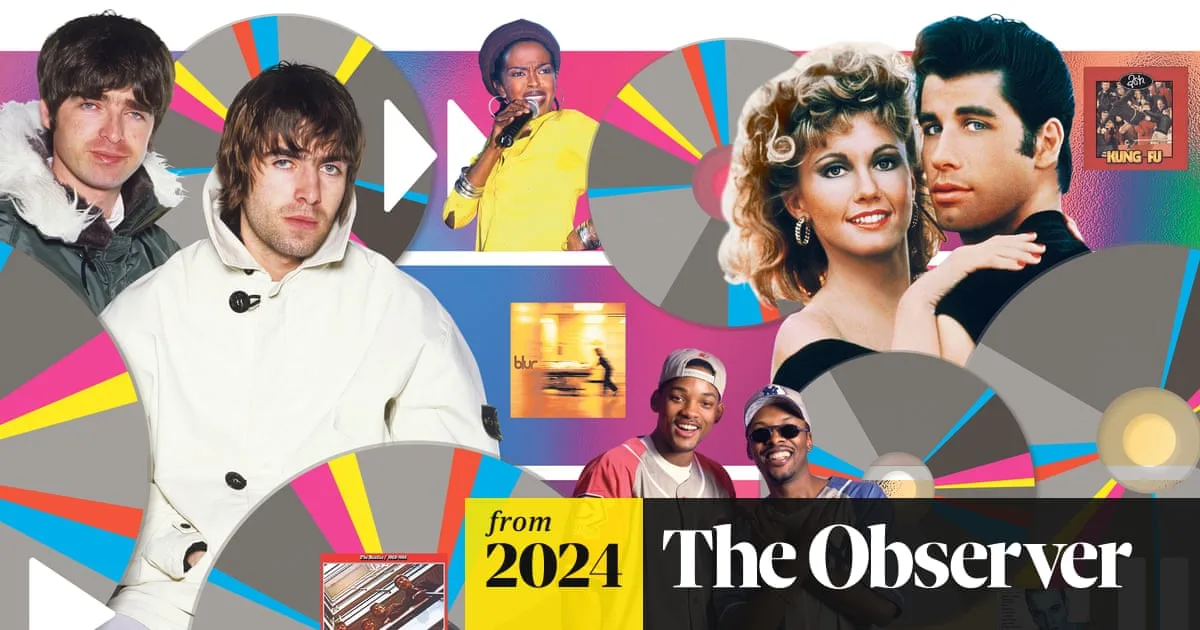
Streaming services were widely expected to deliver the final blow to the compact disc format. Instead, in a remarkable turnaround, CD sales are experiencing a significant resurgence. This unexpected revival is largely driven by the immense popularity of Taylor Swift and her dedicated fanbase, alongside a renewed appreciation for physical music ownership among younger generations.
The Swift Effect on Physical Media
Industry figures reveal a notable shift. The British Phonographic Industry reported a 3.1 percent increase in CD sales last year, reaching just under £100 million. This growth reversed a previous annual decline of 0.5 percent. The primary catalyst? Taylor Swift's strategic release of multiple exclusive CD editions, which sold out with astonishing speed.
By the end of December, Swift had shifted an impressive 227,000 CD units—the highest annual tally for any artist since Adele's "30" in 2021. This surge has created a ripple effect throughout the market, sparking renewed interest in collectible CDs from both mainstream and niche artists.
Collector's Market Boom
Suddenly, lists of "most collectable CDs" are circulating among enthusiasts. These compilations frequently feature iconic artists like Prince, Michael Jackson, and Coldplay. Surprisingly, even the inaugural CD release of the "Now That's What I Call Music!" series, "Now 4," has become highly sought after.
With only 500 original copies produced before a later re-release, an authentic first edition recently fetched over £800 on eBay. Similarly, a Galaxie 500 box set—celebrating the short-lived but influential band—now commands prices exceeding £170 on resale platforms, roughly four times its original retail value.
This burgeoning collector's market has prompted many to re-evaluate their old CD collections. Promotional discs acquired during student years or limited editions once considered disposable are now being viewed as potential hidden treasures.
Generational Shifts in Music Consumption
The CD's journey has been tumultuous. Initially launched as a premium format priced nearly double that of vinyl records, CDs eventually became cheap to produce and distribute. They were routinely given away with newspapers, contributing to a perception of disposability.
By the 2000s, a backlash emerged. Critics derided CDs for their "antiseptic" sound quality and lack of tangible appeal. Vinyl seized this opportunity, offering warmer audio and a more ritualistic listening experience. The vinyl revival continues unabated, with sales rising another 20 percent last year to reach a three-decade high.
Practicality in an Inflationary Era
For younger listeners—Generation Z and the emerging Alpha generation—CDs carry no historical baggage. Without memories of format wars or associations with either luxury or landfill, they view CDs simply as another legitimate way to own music.
This renewed emphasis on ownership represents a significant shift. While streaming subscriptions provide cheap, intangible access to vast music libraries, dedicated fans increasingly desire physical artifacts they can hold and collect. CDs fulfill this need practically, being far more affordable than vinyl records, easier to store, and simple to play.
In today's inflationary climate, such practicality carries substantial weight. The format offers a cost-effective entry point into physical music collecting, particularly for younger enthusiasts building their first collections.
The Future of Physical Formats
Despite personal preferences often leaning toward vinyl—with its special edition splatters, colored pressings, and tactile experience—many music lovers acknowledge the CD's renewed relevance. The format's unexpected comeback raises intriguing questions about what might follow.
Could MiniDiscs or other obsolete formats experience similar revivals? While seemingly improbable, the current CD resurgence demonstrates that in an era where digital dominance was assumed inevitable, nostalgia and tangible ownership can still drive market trends. As being a technological traditionalist becomes increasingly fashionable, the music industry's physical formats may continue to surprise us all.