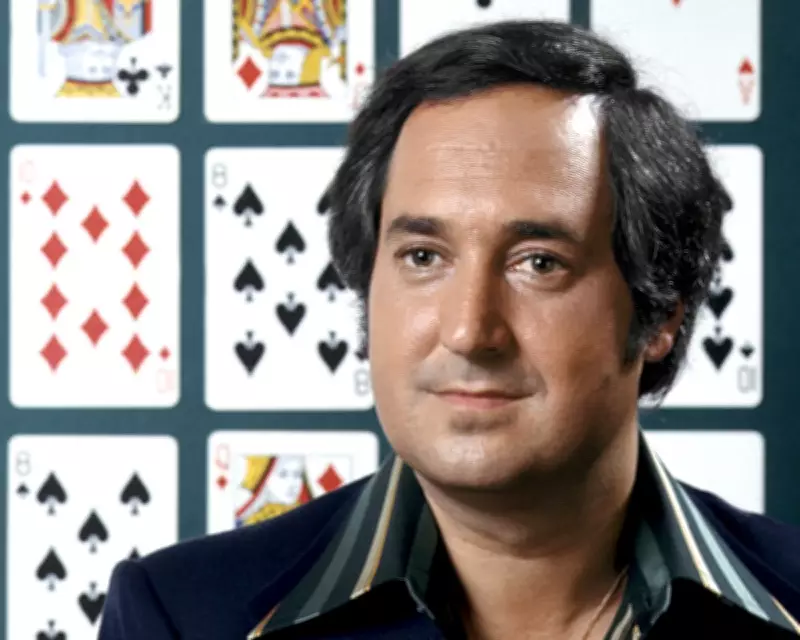
The Enduring Legacy of Neil Sedaka's Music
Neil Sedaka, a name synonymous with timeless pop melodies, has crafted a career spanning decades with songs that continue to resonate across generations. His ability to blend catchy tunes with heartfelt lyrics has cemented his status as a music icon. This article delves into the extraordinary stories behind 15 of his greatest hits, offering a glimpse into the creative process and personal experiences that shaped these classics.
1. Breaking Up Is Hard to Do
Released in 1962, this song became Sedaka's signature hit, topping the charts with its upbeat yet poignant take on heartbreak. The inspiration came from a personal breakup, with Sedaka channeling his emotions into a melody that balanced sorrow with a danceable rhythm. Its success marked a turning point in his career, showcasing his knack for turning personal turmoil into universal anthems.
2. Calendar Girl
This 1961 track celebrates love through the months of the year, with Sedaka drawing on his affection for his then-girlfriend. The song's playful lyrics and catchy chorus made it an instant favorite, highlighting his skill in crafting lighthearted, romantic tunes that captured the spirit of the era.

3. Oh! Carol
Written for fellow musician Carole King, this 1959 hit is a tribute to their friendship and mutual admiration. Sedaka's playful lyrics and energetic performance helped it become a chart-topper, demonstrating his early talent for blending pop sensibilities with personal dedications.
4. Happy Birthday, Sweet Sixteen
Released in 1961, this song captures the innocence of teenage romance, inspired by Sedaka's observations of youth culture. Its nostalgic tone and melodic charm have made it a perennial favorite at celebrations, reflecting his ability to tap into universal themes of love and growing up.
5. Laughter in the Rain
This 1974 comeback hit marked Sedaka's return to the charts after a period of commercial decline. The song's romantic lyrics and smooth melody were inspired by a rainy day walk with his wife, symbolizing renewal and enduring love in his career and personal life.
6. Solitaire
Originally recorded in 1972, this ballad explores themes of loneliness and loss, with Sedaka drawing on broader human experiences rather than personal events. Its emotional depth and haunting melody have made it a standout in his repertoire, covered by numerous artists over the years.
7. Love Will Keep Us Together
Though popularized by Captain & Tennille in 1975, this song was co-written by Sedaka and reflects his optimistic view on relationships. Its upbeat message and catchy hook underscore his influence on pop music beyond his own performances.
8. The Immigrant
This 1975 track addresses the struggles of immigrants, inspired by Sedaka's own heritage and observations of social issues. Its poignant lyrics and melodic structure showcase his willingness to tackle serious subjects while maintaining his pop appeal.
9. Bad Blood
Released in 1975, this song features Elton John and deals with themes of conflict and reconciliation in the music industry. Sedaka's collaboration with John brought a rock edge to his sound, highlighting his adaptability and enduring relevance.
10. Should've Never Let You Go
This 1980 duet with his daughter Dara Sedaka explores familial bonds and regret, adding a personal layer to his music. The song's emotional resonance demonstrates Sedaka's ability to evolve his songwriting to include more intimate, reflective themes.
11. Stupid Cupid
Originally written for Connie Francis in 1958, this playful tune about love's follies became a hit and showcased Sedaka's early talent for crafting infectious pop songs. Its success helped establish his reputation as a songwriter for other artists.
12. Next Door to an Angel
This 1962 hit uses angelic imagery to describe infatuation, with Sedaka drawing on romantic idealism. Its sweet melody and whimsical lyrics exemplify his skill in creating songs that capture the euphoria of young love.
13. Little Devil
Released in 1961, this song playfully addresses mischievous behavior in relationships, showcasing Sedaka's lighter side. Its catchy rhythm and humorous tone made it a fan favorite, adding diversity to his catalog of love songs.

14. Run Samson Run
This 1960 track retells the biblical story of Samson with a pop twist, highlighting Sedaka's creativity in drawing from varied sources. Its narrative style and energetic performance demonstrate his versatility as a songwriter.
15. That's When the Music Takes Me
A later release from 1975, this song reflects on the power of music to heal and inspire, inspired by Sedaka's own experiences in the industry. Its introspective lyrics and melodic flow round out this list, emphasizing his lifelong passion for his craft.
Conclusion: The Stories Behind the Songs
Neil Sedaka's greatest hits are more than just melodies; they are windows into his life, emotions, and the cultural moments that shaped them. From personal heartbreaks to social commentaries, each song tells a story that has contributed to his enduring legacy in the music world. As fans continue to enjoy these classics, the extraordinary tales behind them remind us of the human element in great art.