The Dome Pub: A 1980s Battersea Teen's Portal to Class and Culture
How a London pub changed a Black teen's worldview in the 80s

For Maurice Mcleod, a Black teenager growing up on a Battersea council estate in the mid-1980s, traditional British pubs represented a world of potential threat, not pleasure. His perception was that they were spaces where white men, fuelled by lager, might emerge to direct abuse at people like him. His social circle, more interested in rare groove, hip-hop, and meeting girls, found no allure in rooms filled with aggressive-looking men.

A Portal to Another Universe

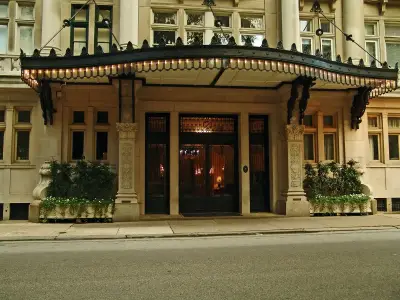
His introduction to pubs as social hubs, rather than volatile zones, came after enrolling at Richmond College. Ironically, the most popular spot, known to everyone as The Dome, was less than a mile from his estate. The 15-minute walk across Battersea Bridge and down Beaufort Street felt, he recalls, like stepping through a portal into a different reality. The venue, officially named The Roebuck until the early 1990s, was a dark, unspectacular pub with a central bar and a distinctive domed roof, allegedly a former haunt of the Sex Pistols.

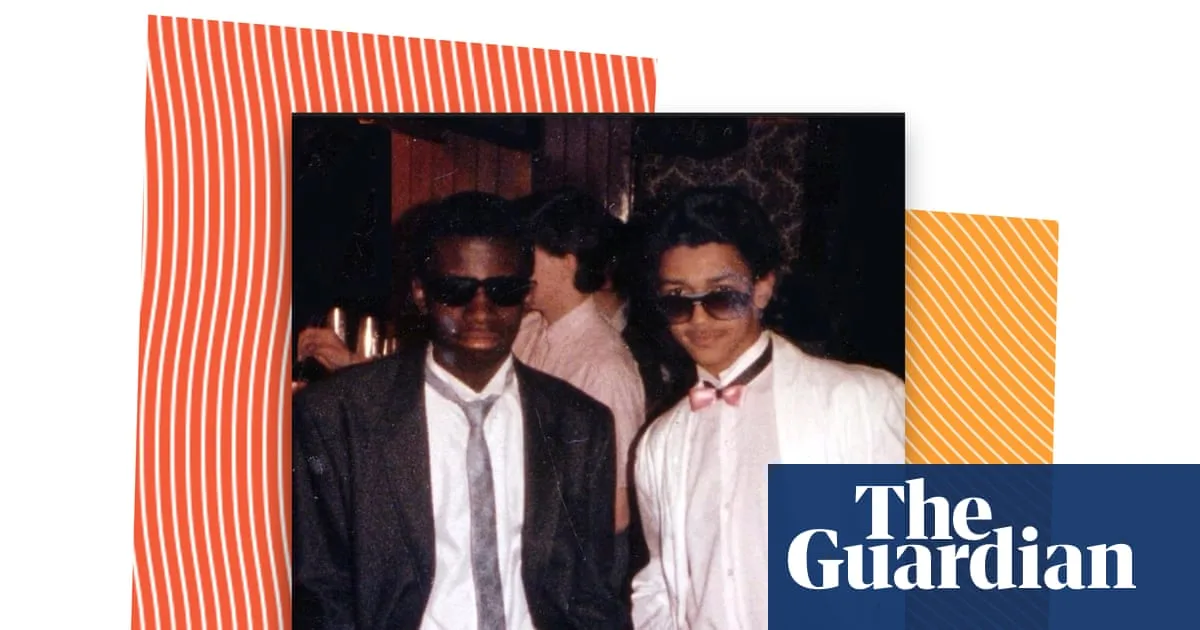
To Mcleod and his friends, The Dome epitomised the height of Thatcherite hedonism. It became a magnetic meeting point where the coolest kids from their estate mingled with what he describes as "the wild children of the wealthy." The exchange was one of flirtation and intelligence-gathering about that night's best parties. For Mcleod, it felt like "Willy Wonka's chocolate factory, but for attractive women," and served as his gateway into the world of the middle class.

Navigating Youth Tribes and Shifting Identities

This experience unfolded against a backdrop of distinct youth cultures on his estate, broadly split between "raggas" and "trendies." The raggas were seen as tougher, more influenced by Jamaican sound system culture. Mcleod identified with the "trendies" or "freaks"—a group that prided itself on being more fashionable, less aggressive, and deeply into jazz-funk and rare groove. These lines were often blurred, especially around shared music like soul and hip-hop.

On their home turf, Mcleod and his trendie friends, with their flamboyant clothes and relaxed hair, were sometimes targets for ridicule from the estate's raggas, seen as too soft. The journey to The Dome in Chelsea transformed their social standing. They shed the "weird freaky boys" label and were recast as the "edgy cool Black guys from across the road." This shift was profound, altering how they were perceived and how they perceived themselves.

Breaking Down Mental Barriers

The most lasting impact of The Dome, however, was the close-up view it provided of wealth and perceived success. Mingling with the affluent children of Chelsea broke down mental barriers Mcleod had constructed. He formed lasting friendships with people he met there, discovering they were "wonderful, interesting and insecure."

The crucial revelation was that "successful" people were every bit as flawed as him and his mates. This dismantling of a monolithic view of class and privilege has, he states, served him very well throughout his subsequent life and career as a social commentator, Labour councillor, and CEO of the anti-racist charity Olmec. The unspectacular pub with the domed roof proved to be a powerful classroom in human complexity.