The highly anticipated charity album Help(2), a sequel to War Child's iconic 1995 compilation, has brought together an impressive roster of musical talent, including Damon Albarn, Jarvis Cocker, and Olivia Rodrigo, in a project that blends artistic collaboration with a poignant cause. Remarkably, much of the production was overseen remotely by producer James Ford from a hospital bed, where he was receiving treatment for leukaemia, adding a layer of resilience to the album's creation.
A True Collaboration in the Studio
When Kae Tempest was invited to contribute to a track by Damon Albarn, also featuring Fontaines DC frontman Grian Chatten, he eagerly accepted. This wasn't just about the star power or supporting War Child's mission; Tempest had been contemplating collaborative work after seven solo albums. The night before recording, he and Chatten wrote their verses together at Albarn's studio, engaging in a dynamic exchange that Tempest describes as "a true collaboration."
However, the recording session for Flags proved intense. Johnny Marr provided guitar, Femi Koleoso of Ezra Collective handled drums, and a children's choir added vocals, creating a vibrant yet chaotic atmosphere. Tempest recalls, "It was a baptism of fire, but incredibly rewarding."

Children's Perspective Adds Unique Touch
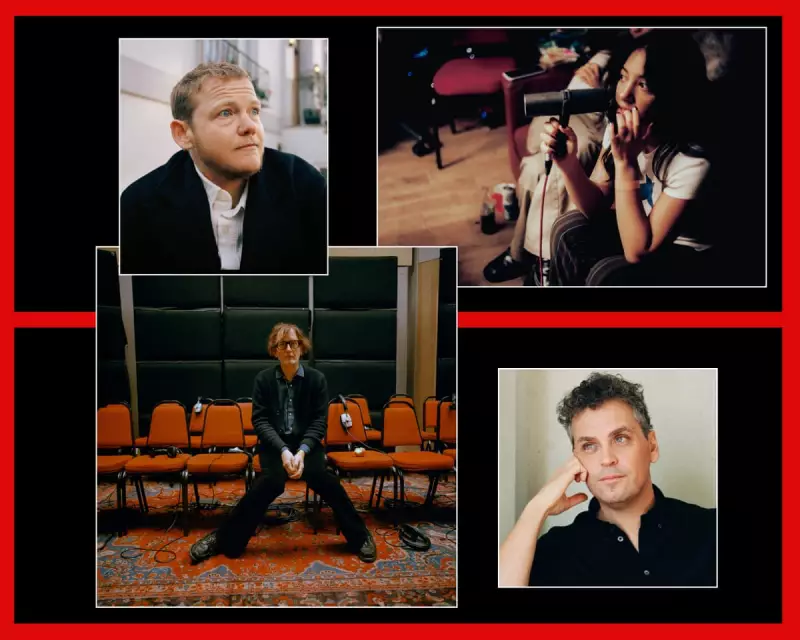
Oscar-winning director Jonathan Glazer was tasked with creating a film to accompany the album. To reflect War Child's focus on children affected by conflict, he enlisted pupils from local schools to document the Abbey Road sessions with Sony Handycams. Glazer notes, "We had eight nine-year-olds running around, capturing the joy and freedom of childhood. It was chaotic and wonderful." One child even pushed Johnny Marr's guitar aside to get a better shot, highlighting the unfiltered enthusiasm brought to the project.
Meanwhile, other studios at Abbey Road buzzed with activity. Jarvis Cocker was finalising a new Pulp song, Begging for Change, while English Teacher's Lily Fontaine was astounded to have Graham Coxon of Blur play guitar on her track. Fontaine says, "Blur are a massive influence, so when Graham walked in, a nervous hush fell over the room."
Cross-Fertilisation and Creative Energy
The concurrent recordings led to unexpected collaborations. English Teacher joined Albarn's children's choir, which Cocker also recruited to scream on Pulp's track. Cocker explains, "Children's choirs often get stuck in boring songs, so I thought it would be better to just let them make a noise." Tempest adds that the experience felt like a childhood dream come true, with famous faces filling the canteen during tea breaks.
Echoes of the Original Help Album
The 1995 Help album set a high bar, selling 70,000 copies in a day and earning a Mercury prize nomination, though it lost to Pulp's Different Class. Cocker recalls donating Pulp's prize money to War Child, joking about a perceived curse. Rich Clarke, War Child's head of music, emphasises that the original succeeded by urging artists to contribute unique material rather than outtakes, a philosophy carried into Help(2).
Clarke notes that the sequel was inspired by the original's 30th anniversary, ongoing crises in Gaza, Sudan, Ukraine, and Syria, and the challenges of modern fundraising. In the digital age, streaming's economics make charity compilations less viable, prompting War Child to focus on live events until post-Covid hurdles arose.
Producer's Battle with Leukaemia
Producer James Ford was enlisted to oversee Help(2), but shortly after, he was diagnosed with leukaemia. During the Abbey Road sessions, Ford was in the ICU, yet he managed production remotely via laptop. He shares, "I was having a blood transfusion while talking to Olivia Rodrigo through headphones, guiding her takes. It kept me sane and connected to something I love."

Ford assembled a diverse lineup, including Arctic Monkeys, Depeche Mode, and Young Fathers, though some artists declined due to political concerns. The album showcases a wide range of genres, from indie rock to R&B, with collaborations like Arooj Aftab working with Beck.
Humanising the Cause
The presence of children during recordings deeply impacted the artists. Femi Koleoso reflects, "It humanised the cause beautifully. A kid looked at my drum kit and just said 'wow,' reminding me why I started making music." Glazer's young filmmakers even interviewed Tempest about ice-cream and asked Cocker his age, injecting humour and innocence into the process.
Overall, Help(2) stands as a testament to artistic generosity and innovation, raising funds and awareness for War Child while delivering a compelling musical experience. The album is set for release on 6 March, promising to resonate with fans and supporters alike.