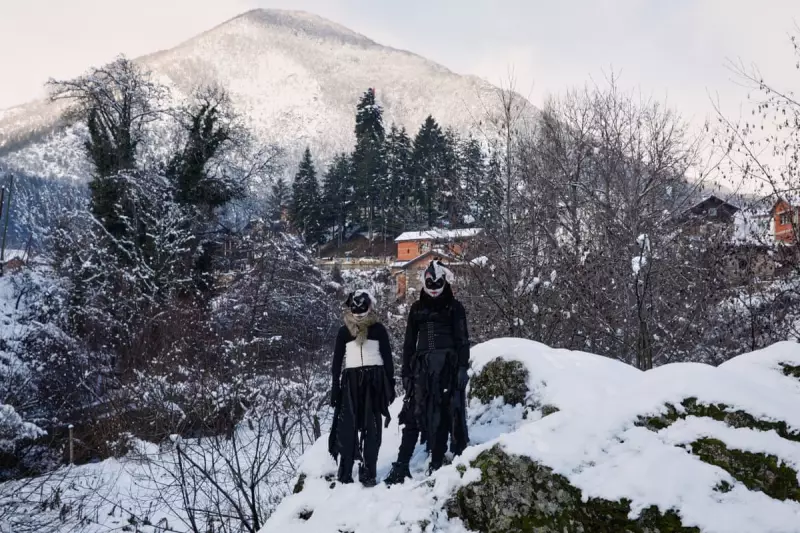
The small, picturesque village of Vevcani in south-western North Macedonia has once again transformed into a vibrant, open-air theatre for its ancient annual carnival. Celebrated over two days, this 1,400-year-old festival is a captivating fusion of pagan ritual, sharp satire, and communal celebration, believed to banish evil spirits and welcome the New Year according to the old Julian calendar.
A Living Tapestry of Tradition and Satire
The Vevcani Carnival, known locally as 'Vasiličari', is far more than a simple parade. It represents a living, breathing cultural artefact where history and the present moment collide. The entire village participates, with streets filled by revellers wearing intricately crafted masks. These range from traditional depictions of devils, demons, and mythical beasts rooted in pagan beliefs to ward off malevolent forces, to pointedly contemporary satirical masks lampooning current political figures.
In recent years, attendees have spotted costumes representing global leaders such as Russia's Vladimir Putin and former US President Donald Trump, highlighting the festival's role as a platform for social and political commentary. This blend ensures the tradition remains dynamically relevant, constantly evolving with the times while honouring its ancient origins.

Key Rituals and Symbolic Acts
The carnival is structured around several key rituals steeped in symbolism. One of the most poignant is the procession of a costumed 'bride and groom', who parade through the village, visiting homes door-to-door. This act is rich with symbolism related to fertility, new beginnings, and community bonds.
The culmination of the two-day event is profoundly symbolic. The festival reaches its climax with the ritualistic burning of the masks in large fires, often lit in improvised containers like old bathtubs. This fiery finale is not merely for spectacle; it symbolises the destruction of evil spirits and the cleansing conclusion of the old year, paving the way for a fresh, untainted start under the Julian calendar.
A Major Draw for Balkan Tourism
From a local village tradition, the Vevcani Carnival has grown into a significant tourist attraction for the Balkan region. It draws thousands of international and local visitors each year, providing a substantial boost to the local economy. The timing of the event is carefully aligned with the 12 days of Eastern Orthodox Christmas and New Year celebrations, placing it firmly in a period of regional festivity.
The atmosphere is electrified by the sound of traditional woodwind instruments called zurlas, around which costumed participants dance. The sight of elaborate group costumes, such as people riding a wild boar effigy, adds to the unique, unforgettable spectacle. For the residents, it is a profound source of cultural pride; for visitors, it is an immersive journey into a centuries-old tradition where the past is not remembered but vividly re-lived.
As the masks turn to ash and the echoes of the zurlas fade, Vevcani returns to its quiet mountain existence. Yet, the success of another carnival ensures this unique blend of pagan roots, Christian motifs, and modern satire will continue to captivate and protect the community for years to come, firmly securing its place on the map of Europe's most intriguing cultural festivals.