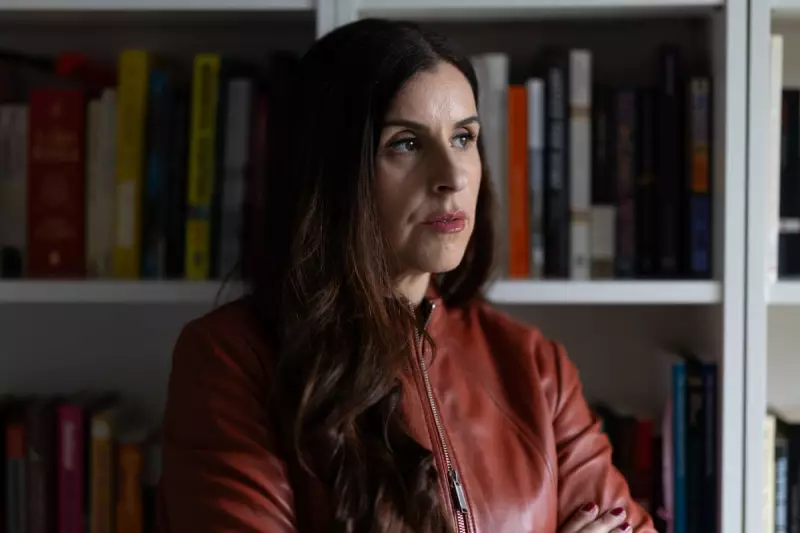
Newly revealed correspondence shows the Adelaide Festival board stood by its invitation to a prominent pro-Israel columnist in 2024, despite direct appeals for his removal. This disclosure comes amidst the intense controversy surrounding the board's recent decision to cancel Palestinian Australian academic and author Randa Abdel-Fattah from the 2026 Adelaide Writers' Week program.
Board Rejected 2024 Petition to Remove Friedman
In February 2024, a group of ten academics, including Randa Abdel-Fattah, wrote to the Adelaide Festival board requesting it rescind its invitation to New York Times columnist Thomas Friedman. The request followed a controversial column by Friedman that used animal kingdom metaphors to describe the Middle East conflict, which the signatories argued deployed dehumanising racist tropes.
However, in a letter dated 9 February 2024 and seen by the Guardian, the festival's chair, Tracey Whiting, firmly rejected the petition. The board's response emphasised its international reputation for supporting artistic freedom of expression. It stated that Friedman was no longer participating due to "last-minute scheduling issues," not because of the request for his cancellation.
Premier's Claim Contradicted by Evidence
This newly surfaced evidence directly contradicts a claim made by South Australia's Premier, Peter Malinauskas, on Saturday. Malinauskas asserted that the festival board had removed Friedman from the 2024 program in "very similar circumstances" to Abdel-Fattah's cancellation, a move he said he supported for consistency.
News Corp publications subsequently highlighted this alleged inconsistency, questioning why Friedman's purported removal did not spark the same level of public outcry and mass boycott currently faced by the 2026 event. Over 70 participants have now withdrawn from Adelaide Writers' Week in protest at Abdel-Fattah's treatment.
Abdel-Fattah Rejects Hypocrisy Allegation
Randa Abdel-Fattah has forcefully rejected any suggestion of hypocrisy on her part. She clarified that her 2024 objection to Friedman was based on the specific content of his column, which she said compared Arab and Muslim nations to "insects and vermin requiring eradication."
"In contrast, I was cancelled because my presence and identity as a Palestinian was deemed 'culturally insensitive' and linked to the Bondi atrocity," Abdel-Fattah stated. She accused the festival board of "blatant and shameless" anti-Palestinian racism and censorship, arguing the principles of artistic freedom it cited in 2024 were discarded in her case.
A Pattern of Board Intervention Emerges
The 2024 letter suggests that the board's decision to overrule festival director Louise Adler and cancel Abdel-Fattah marks a significant shift. In 2023, the board publicly supported Adler when she refused to dump Palestinian authors Susan Abulhawa and Mohammed El-Kurd from the program, despite sponsor withdrawals and boycotts.
At that time, Premier Malinauskas stated it was not for politicians to "decide what is culturally appropriate," even though he was "genuinely disturbed" by some views expressed. The South Australian government appoints the festival board but maintains it has no power to direct artistic programming decisions.
The festival board's statement on Abdel-Fattah's cancellation said it did not suggest her writings had any connection to the Bondi tragedy, but that proceeding would not be "culturally sensitive." This reasoning, juxtaposed with its defence of free expression in 2024, has ignited a fierce debate about consistency, principle, and the limits of artistic dialogue in Australia's cultural institutions.