Mastering Winter the Scandinavian Way
As temperatures plummet across Britain, many find themselves underprepared for the biting cold. However, in Scandinavia, where winters stretch from November until late March and can reach a bone-chilling -30°C in northern regions, people have perfected the art of dressing for extreme conditions.
Having lived in both the UK and Sweden, I noticed a stark contrast in how people approach winter dressing. This became particularly evident after having children and observing Scandinavian parenting practices, where layering is considered essential for outdoor activities.
Essential Winter Gear from the Nordic Experts
After fifteen years writing about lifestyle and fashion, plus founding my own accessories brand, I've compiled insights from nine Scandinavian and Finnish experts to reveal the eight winter essentials that dominate Nordic streets and slopes.
Sturdy Winter Boots
In Stockholm, where temperatures range from 10°C to -15°C with conditions varying from slush to deep snow, sturdy winter boots are non-negotiable. The Polyver boot, manufactured in Jämtland, northern Sweden, features innovative Cli-Tech material containing millions of encapsulated air bubbles for superior insulation.
Stockholm teacher Kajsa Lindholm explains their appeal: "I can't have separate shoes for every weather type - I need one pair that works across all conditions. Polyver boots feel like pyjamas - you just slip them on and go." The Canadian Sorel boot represents another popular choice, particularly favoured by Finns.
The Wool Base Layer System
Step into any Scandinavian preschool and you'll find both children and adults wearing at least three clothing layers. In Finland, wool base layers are fundamental because wool retains heat even when damp.
Helsinki clothing brand founder Werneri Varhanen outlines his layering strategy: "Start with wool as your base, add fleece, then a winter jacket or light puffer, finishing with a waterproof shell. This system lets you adapt to any temperature by simply adding or removing layers." Popular brands include New Zealand's Icebreaker and Norway's Devold.
Practical Half-Finger Gloves
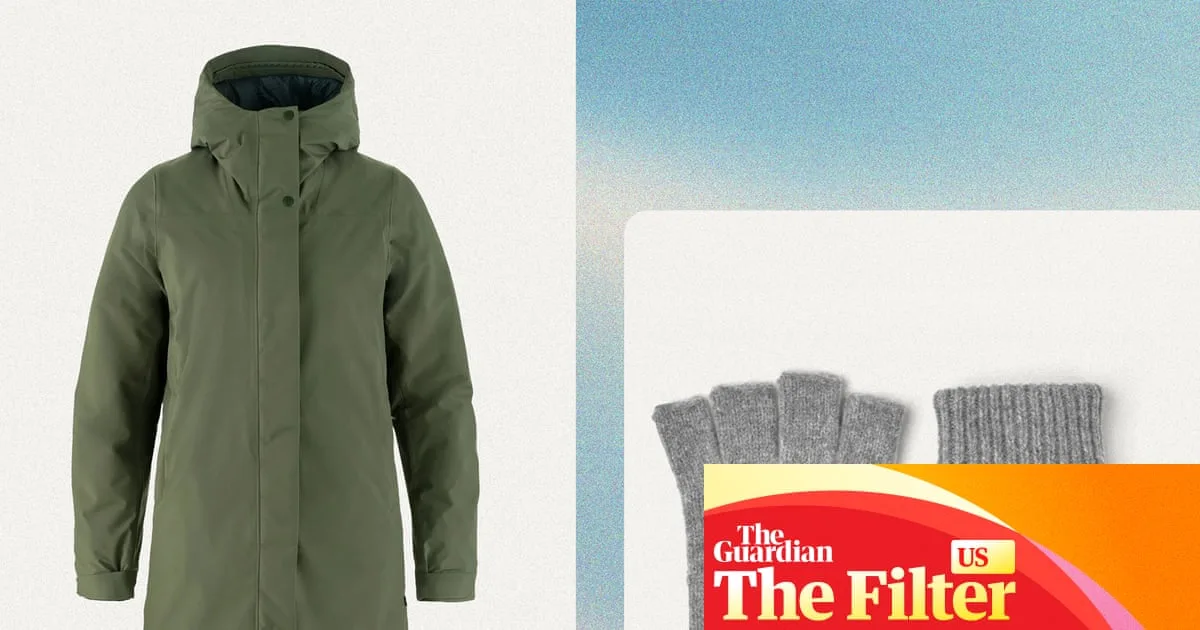
Originally designed for handling goods and money at outdoor markets, the half-finger glove has found new purpose in Copenhagen's bike-centric culture. Denmark's milder winters and extensive cycling infrastructure make these gloves ideal for active commuters who need finger dexterity while staying warm.
Copenhagen brand manager Teodora Kolchagova notes: "Our biking culture is huge, and recent winters have been milder. I love Hestra's wool half-finger gloves - they're perfect for cycling."
The Controversial Long Puffer
Despite facing ridicule in Sweden for its bulky silhouette - earning the nickname "mother sausage" - the long puffer jacket remains incredibly popular, especially among parents with young children. While Swedish fashion journalist Samanda Ekman considers it "anti-fashion," author Johanna Schreiber views it as symbolic of women's liberation.
Stockholm engineer Nina Lindesvärd defends her choice: "It's like wearing a duvet. I love that it covers my behind and works equally well with skirts or sweatpants." While her Samsøe Samsøe jacket is women-specific, Rains offers excellent versions for both genders.
Technical Heated Socks
While traditional hand-knitted wool socks remain cherished Scandinavian staples, technical heated socks are gaining popularity. Helsinki stylist Juho Pihlajaoja still favours colourful knitted versions, but many Scandinavians now swear by knee-high socks with rechargeable batteries.
Åre-based photographer Sophie Snell declares: "My Lenz heated socks are incredible - I truly can't live or work without them. I've had the same pair for seven years without issues." Though premium brands command higher prices, Amazon offers more affordable alternatives with decent reviews.
Life-Saving Reflectors
These tiny accessories make a massive difference during Scandinavia's dark winters. Originally invented by Finland's Arvi Lehti in 1963, pedestrian safety reflectors clip onto jackets and bags, dramatically improving visibility.
The Finnish Road Safety Council confirms that while people are normally visible at 50 metres in car headlights, reflectors increase this to 350 metres. Finnish diplomatic counsellor Elna Nykänen Andersson, now based in Tokyo, explains: "It's a typical Finnish thing - a plastic piece you attach to your sleeve. I wear the classic snowflake design."
The All-Weather Jacket
Norway's strong hiking culture has shaped its approach to outerwear, culminating in the allværsjakke or "all-weather jacket". Evolving from simple raincoats into technical parkas, these jackets handle unpredictable conditions perfectly.
Oslo journalist Vibeke Stiansen recommends Fjällräven and Houdini brands: "I love that it's waterproof and lined, handling all weather types. I layer with basic T-shirts, jeans, and knitted jumpers - either short cashmere or long oversized wool styles."
Fashionable Balaclavas
Once purely practical, balaclavas have become fashion statements in Scandinavia. Stockholm communications professional Sara Brandt Zaric owns three versions and recommends Malina and Cos brands.
She explains their appeal: "There's something beautiful about how a balaclava frames the face. It's incredibly practical - especially versions extending over the chest. It keeps you warm without gaps, protecting against snow and wind while remaining suitable for city life."
Embracing Scandinavian Winter Wisdom
These eight essentials demonstrate how Scandinavians combine practicality with style to conquer winter's challenges. From technical innovations like heated socks to timeless solutions like wool layering, these items represent generations of cold-weather expertise that Britons would do well to adopt as temperatures drop across the UK.