Michael Kors Celebrates 45-Year Milestone with New York Fashion Spectacle
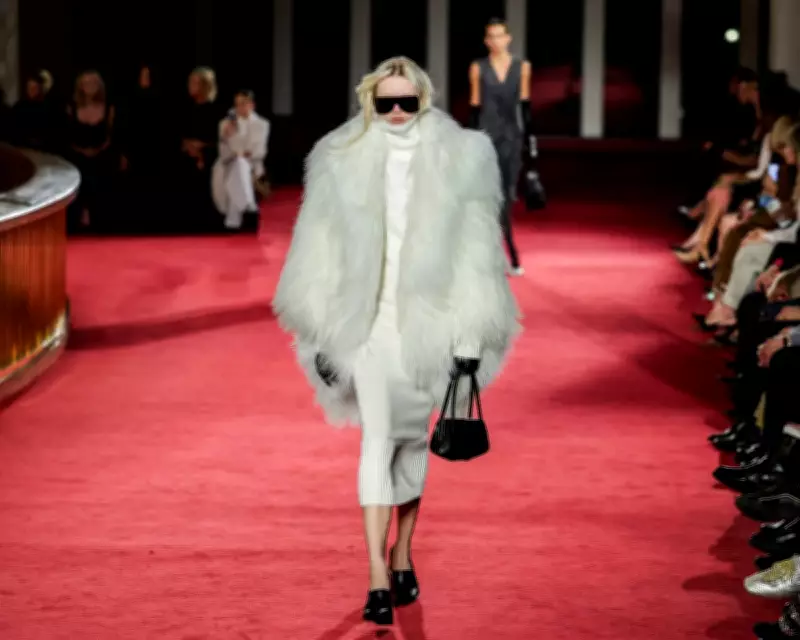
Five years after Covid-19 disrupted his 40th anniversary, Michael Kors made sure to mark his 45-year career in fashion with a grand celebration. The designer, 66, humorously noted, "It's crazy, I've been in fashion 45 years, but I'm only 32." The event took place at the New York Metropolitan Opera House, where the sweeping double staircase served as a dramatic catwalk for his autumn/winter collection.
A Tribute to Chic New York Women
Kors dedicated the show to the stylish women of New York City, highlighting Rama Duwaji, the city's first lady, as an inspiration. He praised her fashion sense, comparing it to the modern elegance of Michelle Obama during her first term. Other muses included Christy Turlington, who closed the show in a stunning sequined gown, and figures like Carolyn Bessette Kennedy and Maria Callas. The front row featured celebrities such as Uma Thurman, Leslie Bibb, Mary J Blige, and Dakota Fanning.
Backstage Celebrations and Social Commentary
Backstage, Kors expressed relief and pride over the re-raising of the Pride flag at the Stonewall Monument, which had been taken down under previous orders. He emphasized New York's resilience, stating, "In New York, we get back up and we push forward." The show's theme, a night at the opera, was brought to life with a mix of classical and contemporary music, including Prokofiev and Rihanna.

Fashion Proposals and Industry Challenges
Kors critiqued winter fashion, asserting, "In winter, your coat is your calling card," and showcased elegant options like white shearling and cashmere pea coats. However, the event unfolded against a backdrop of economic difficulties in the fashion industry. The recent bankruptcy of Saks Fifth Avenue, with Chanel as a major creditor, has highlighted vulnerabilities in the department store model. Smaller brands face uncertainty over payments and orders.
The Evolving Role of Fashion Shows
Steven Kolb of the Council of Fashion Designers of America cited challenges such as tariffs, inflation, and geopolitical tensions. He noted that fashion shows, once geared toward department stores, are now increasingly marketing tools for large brands, posing affordability issues for smaller designers. Despite these hurdles, the industry continues to showcase creativity and resilience.