Christmas is a prime season for entertaining, but according to a leading etiquette expert, the smallest details within your home can distinguish a classy celebration from a tacky one. Julie Lamberg-Burnet, founder of the Sydney School of Protocol, has outlined a series of subtle touches that can instantly elevate a Christmas lunch or dinner, creating a more sophisticated and elegant atmosphere for your guests.
Mastering the Festive Ambience and Invitations
Julie Lamberg-Burnet emphasises that thoughtful preparation is the cornerstone of successful hosting. She advises creating visual interest at the dining table by mixing elements like small gifts at each place setting, using a variety of chinaware—including heritage or favourite family pieces—and serving food on dishes of different heights and styles to add a luxurious feel.
For pre-meal drinks, she recommends allowing about 40 minutes before serving the main meal. This gives guests time to mingle without the interval dragging on so long that people become overly hungry or drink too much. To make the event more dynamic, consider serving different courses in various spaces, such as canapés in the garden and coffee in another room.

When it comes to invitations, courtesy is key. Send them out well in advance and respect those who may decline due to multiple seasonal commitments. A good invitation should clearly state the setting, dress code, date, start and finish times, and the list of invited guests. As a guest, you should reply within one to two days of receiving the invitation. For those unable to attend in person, consider offering a virtual link via Zoom or FaceTime.
Julie advises hosts to be gracious if a guest cancels at the last minute, despite the inevitable disappointment. If an unexpected plus-one arrives, stay calm, greet them warmly, offer a drink, and discreetly adjust the table setting. Always be prepared with backup food and gifts for such occasions.
The Essentials of Dress Code and Table Setting
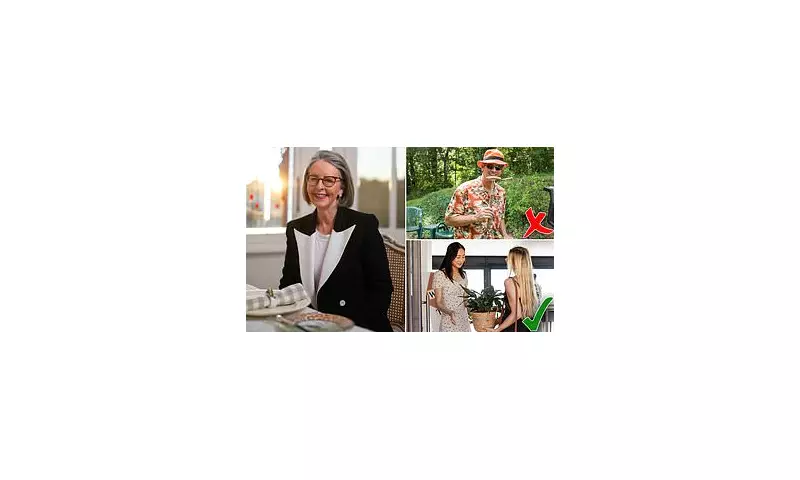
Uncertain about what to wear? Always check the dress code with your host first. As a guiding principle, opt for relatively modest attire suitable for socialising across generations. If no code is specified, smart casual is the standard. Beachwear is unacceptable for indoor gatherings. For men, a linen jacket with chinos and a shirt works well; for women, a summer dress that is not overly revealing is appropriate.
Avoiding a tacky tablescape is crucial. Julie warns against overusing fluorescent lighting, heavily perfumed candles or room sprays, and overly large floral displays that hinder conversation. Music should be a background feature, not a distraction. "Guests are present to enjoy each other's company and to be able to hear conversations," she explains.
To achieve a classy look, start with a cohesive theme. Handwritten place cards, menu cards, and small gifts personalise the occasion and add thoughtfulness. For a formal setting, use fine linen, silverware, crystal, non-scented candles, and elegant floral arrangements. For a relaxed indoor meal, designate someone to serve drinks and use carafes, shared platters, and festive centrepieces like Christmas crackers or small bowls of flowers as conversation starters.
Navigating Food, Manners, and Gifts
For larger gatherings, it is "totally appropriate" for a host to ask guests to contribute a dish or drinks, giving them a choice to feel involved. If bringing a spontaneous food gift, opt for homemade items or a 'finish at home' restaurant meal. Always consider dietary requirements and avoid bringing messy, awkward, or unhealthy pre-packaged snacks.
Basic table manners remain paramount. Don't talk with your mouth full, avoid eating too quickly, and never wave cutlery while speaking. Swallow your food before taking a drink and resist double-dipping. Overindulgence in food or drink, which can lead to loud or disruptive behaviour, instantly downgrades the party's atmosphere. Julie also suggests considering a digital-free gathering by informing guests in advance.
When serving, pass dishes from the left and clear from the right. Wait for all guests to finish before clearing plates, and avoid stacking them at the table. As a guest, kindly offer to help clean up, but defer to the host's preference.

Finally, never arrive at a gathering empty-handed. Choose a small, easy-to-handle host gift, like a potted plant or homemade treats. Avoid over-the-top presents and always remove price tags. Thoughtful, well-wrapped gifts that reflect the recipient's interests are always appreciated. For large parties, hosts can manage expectations by setting a price limit or suggesting gifts are for children only.
By following these expert guidelines from Julie Lamberg-Burnet, hosts can ensure their Christmas celebration is remembered for its elegance and warmth, rather than any festive faux pas.