
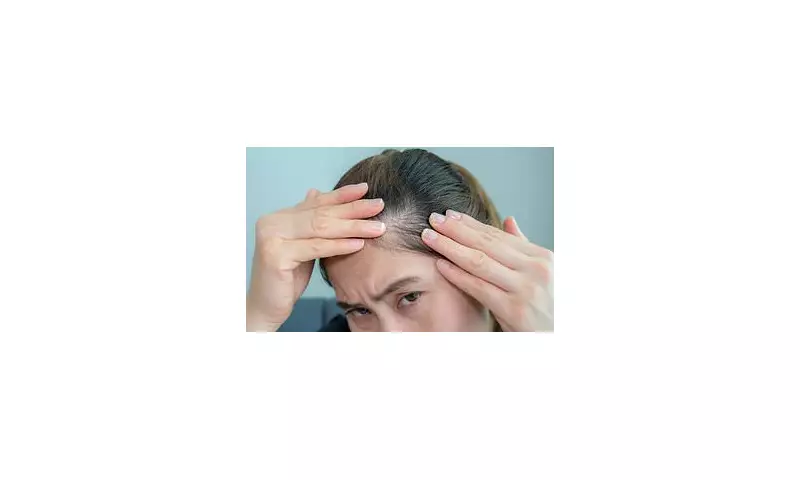
A leading hair and scalp expert has issued a stark warning that one of the biggest hair trends of the year is behind a worrying increase in cases of female baldness. The culprit? The ubiquitous claw clip.
The Hidden Danger of a Fashion Staple
Trichologist Rachel Valentine took to TikTok to alert her followers after noticing a specific pattern of damage in her clients. She revealed that she had recently seen two clients with identical breakage around their crown area, directly caused by wearing a crocodile or claw clip in the exact same spot every single day.
"The epidemic of claw clip hairstyles is the reason you're seeing breakage around your crown area," Ms Valentine stated. She acknowledged that these clips are often considered a gentler alternative to traditional elastic hair bands. However, she emphasised that the danger lies in the repetition. "What isn't good is wearing your hair in exactly the same place every day. There's a lot of tension in that same area, which causes repeated stress and breakage."
Understanding Traction Alopecia
This repetitive styling can lead to a condition known as traction alopecia. This occurs when hair follicles—the tiny pores from which hairs grow—are subjected to excessive, ongoing tension. This inflammation and damage can, in some severe cases, result in permanent baldness. The condition typically affects the hairline and the crown of the head.
Echoing this professional advice, the team at UK Hair Transplants confirmed that many hair conditions can improve if identified early, and some are even reversible. The crucial factor is to act promptly and not wait until the damage is permanent.
How to Protect Your Hair
The good news is that you don't have to abandon your favourite hair accessory entirely. The solution is all about variety and mindfulness. Ms Valentine's primary recommendation is simple: move your hairstyle around.
"Unfortunately, any repetitive hairstyle will cause breakage because it's the tension on the same area that causes damage," she explained. "Change your hair up and wear it differently every day. So, claw clip one day, maybe a silk scrunchie the next, wear it high or low, and then wear it down. You'll spread the tension around the hair, so it doesn't cause stress just on one area."
For those who need their hair pulled back for work or sports, experts suggest alternating where the clip sits—high, low, or off-centre. They also recommend swapping the clip for a silk or non-snag hair tie, which can significantly reduce the amount of pressure on specific spots. A key warning sign to watch for is any sensation of tugging or scalp soreness, which indicates the style is too tight.
It is also important to note that traction alopecia can be triggered by other styles, including weighty hair extensions and tight braids.
Reversing the Damage and Last Resorts
If you notice early warning signs, such as thinning or snapped hair around the crown and hairline, it might not be too late. According to The British Association of Dermatologists, if the tension is stopped early enough, the follicles have a chance to heal and regrow.
However, for advanced cases, the only cure is a hair transplant. This procedure involves taking hair from the back of the scalp and implanting it into the affected areas. While it is estimated that no more than 15% of hair transplants are performed on women, the success rates are incredibly high, hovering between 85 to 95 per cent.
Other common reasons for female hair loss include hormonal changes (such as during menopause or after pregnancy), vitamin deficiencies, and genetic factors.