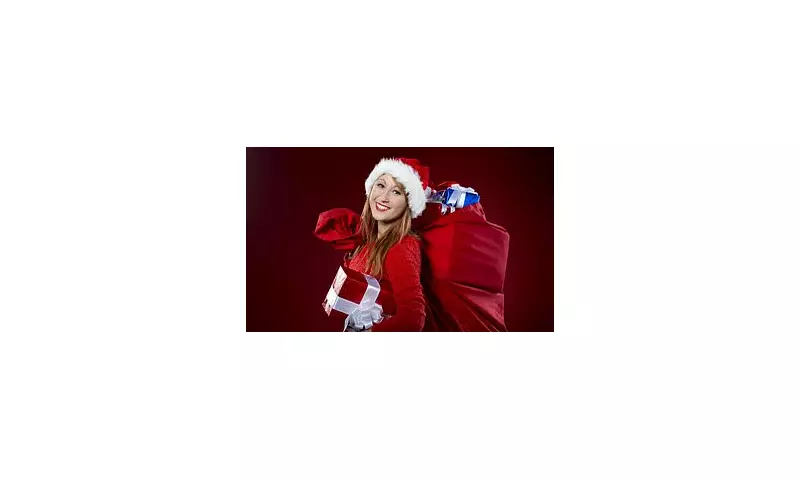
The iconic image of Father Christmas as a portly, bearded old man in a red suit is being challenged, according to new academic research. A study has found that the professional Santas of today are a far more diverse group than tradition would suggest, with younger people, slender figures, and even women successfully taking on the role.
Three Distinct Types of Modern Santa
Researchers from Oregon State University in the United States conducted a detailed survey of 850 professional Santas and held in-depth interviews with 50 of them. Their findings, published in the Academy of Management Journal, identified three distinct categories of Santa performers.
The first group are the prototypical Santas. These individuals match the traditional physical attributes: they tend to be older white men with beards and round bellies. The study noted that this group often lives out their Santa identity all year round and shares a profound sense of unity with their calling.

The second category are the semi-prototypical Santas. These performers bear some, but not all, of the classic Santa features. They have developed creative ways to address children's questions about any differences in their appearance. For instance, one skinny Santa explained his lack of a large belly by telling children that Father Christmas was "on a health kick." Another, who wore cochlear implants, described them as a microphone to the head elf at the North Pole.
The Trailblazing Non-Prototypical Santas
The most groundbreaking finding centres on the third group: the non-prototypical Santas. This category includes women, an Orthodox Jew, and people of colour who do not bear a strong physical resemblance to the traditional Santa. Despite this, they report feeling a powerful "calling to the Santa role" and also embody the character throughout the year.
"These atypical Santas are trailblazers," said co-author Dr Borbala Csillag. "The expectations for playing the role may seem exclusive, but they are surmountable. We found that most anybody can be Santa if their heart desires it." The research acknowledges that some of these Santas have faced rejection, with one respondent reporting discrimination for being a Santa of colour.
Broader Implications for Employment and Calling
The study, titled 'Who's Behind the Red Suit?', concludes that the phenomenon has wider relevance beyond festive entertainment. It suggests that individuals who feel a deep vocation for a particular role can succeed even if they don't meet all the typical societal expectations or physical "must-haves."
"You don't have to possess the 'must-haves' such as looking a certain way or having a certain trait, to live out your calling," Dr Csillag added. The team emphasised that being a professional Santa is widely viewed by those in the role as more than just a job—it is a genuine calling.
This new perspective on Santa diversity follows a separate commentary from last year by UK Professor Adam Taylor of Lancaster University, who suggested Santa's rosy cheeks could indicate alcohol flush syndrome. He humorously urged the public to consider leaving healthier snacks out on Christmas Eve.
The modern Santa Claus figure is derived from Saint Nicholas, the 4th-century Bishop of Myra known for secret gift-giving. While the red-suited, jolly形象 is entrenched in popular culture, this latest research confirms that the spirit of St. Nicholas is now being carried forward by a much wider range of devoted individuals.