In a year filled with cinematic spectacles, one film emerged not just as a box office titan but as a cultural lightning rod. Ryan Coogler's 'Sinners', a vampire horror set against the brutal backdrop of the Jim Crow South, was widely tipped to be a catastrophic misstep for both its acclaimed director and Warner Bros. Instead, it performed a miracle resurrection of its own, shattering expectations to become the most talked-about and financially successful original film in over a decade.
From Industry Pariah to Record-Breaking Phenomenon
The scepticism was palpable. Coogler, fresh from steering the Marvel juggernaut 'Black Panther', was venturing into risky territory with a script he admitted cobbling together in two months. Warner Bros was lambasted for a near $100 million gamble on a period horror with a majority Black cast, shot on expensive Imax 70mm, and for granting Coogler unprecedented control over the final cut and future rights. Industry insiders predicted financial ruin, suggesting the project could signal the end of the traditional studio model. They could not have been more wrong.
Launching on Easter weekend, 'Sinners' delivered a stunning opening, racing to a global gross of $368 million. This monumental success crowned it the highest-grossing original film in 15 years and secured its place as the 10th highest-grossing R-rated film ever in the domestic market, surpassing classics like 'Terminator 2'. At a time when Black history faces renewed political scrutiny, the film ignited essential conversations about cultural erasure and representation, its impact felt as keenly in online memes about its juke-joint scenes as in academic think-pieces.

The Meticulous Craft Behind the Horror
To attribute 'Sinners' success merely to timing would be a disservice to Coogler's profound craftsmanship. While the script draft was swift, it was underpinned by years of deep research into Mississippi Delta folklore, antebellum history, and the blues—a passion ignited in childhood by his late uncle's record collection. Coogler's vision extended beyond the expected, incorporating 1930s photography, Native American mythos, and the often-overlooked narratives of Chinese immigrants in the South.
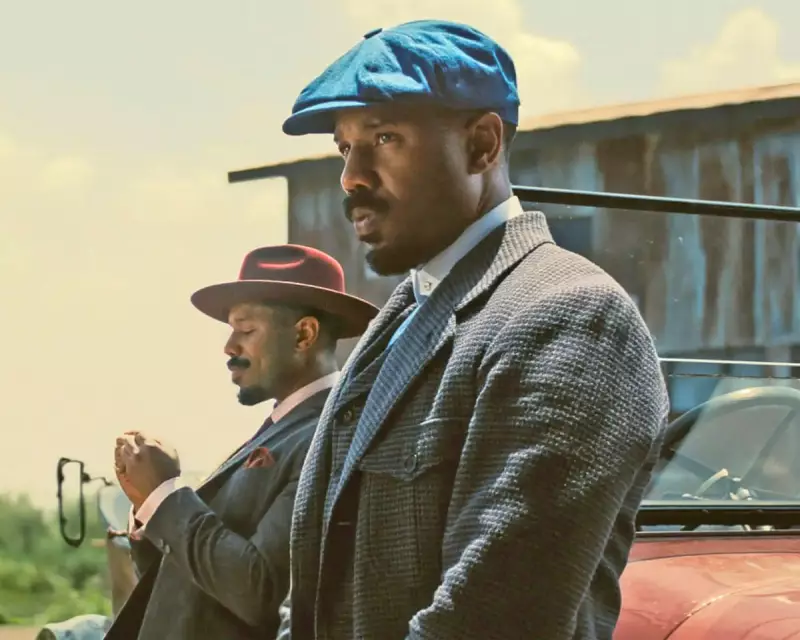
This rich tapestry was woven seamlessly into a gripping survival narrative by a stellar creative team, including Oscar-winning costume designer Ruth E Carter. The cast delivered career-defining performances. Michael B. Jordan, in his third collaboration with Coogler, displayed astonishing range portraying the dual roles of the Smokestack twins, training his body and voice to create two distinct characters. Delroy Lindo brought trademark dignity to bluesman Delta Slim, while Wunmi Mosaku's powerful performance as a mature, dark-skinned lead defiantly challenged Hollywood's narrow beauty standards.
A Lasting Legacy and a Reinvigorated Faith in Cinema
The triumph of 'Sinners' resonated far beyond its box office receipts. It disproved entrenched industry orthodoxies about what audiences want and who can be a star. It proved that a film dealing unflinchingly with historical trauma could achieve blockbuster status. The film's success on streaming via HBO Max further cemented its status as a ubiquitous cultural touchstone, with fans already speculating about potential prequels despite Coogler's insistence it is a standalone project.
For Coogler, the victory was particularly sweet. In a thank-you letter to audiences, he wrote, "I believe in cinema. I believe in the theatrical experience. I believe it is a necessary pillar of society. To see your response to the film has reinvigorated me and many others who believe in this art form." From a predicted studio-killer to a beacon for the industry's future, 'Sinners' did more than scare audiences—it made them believe.