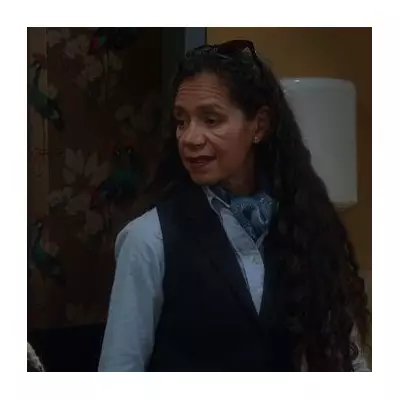
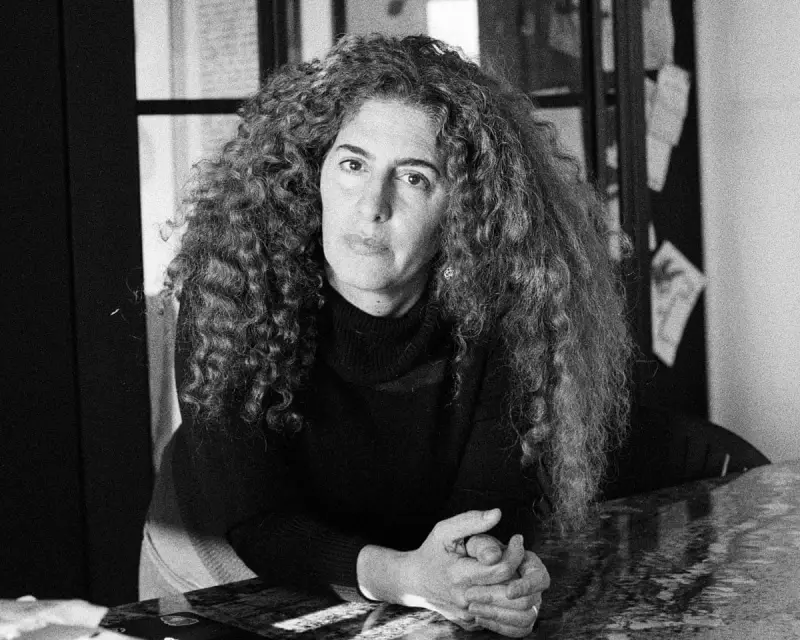
In a compelling showcase at the Toronto International Film Festival, Palestinian director Annemarie Jacir unveiled her latest cinematic masterpiece, Palestine '36, a film that delves deep into a pivotal yet often overlooked chapter of Middle Eastern history.
A Cinematic Journey Through Resistance
Jacir's film transports audiences to 1936 Palestine, capturing the intensity of the Arab Revolt against British colonial rule. The director describes the project as "a story that chose me," emphasising how the historical narrative demanded to be told through her cinematic vision.
"This isn't just history," Jacir explained during her TIFF appearance. "It's about understanding the roots of contemporary struggles and recognising the human stories behind historical events that continue to shape our present."
Bridging Past and Present
The film's timing proves particularly poignant, with Jacir noting how the 1936 uprising against British administration mirrors ongoing resistance movements. She deliberately draws parallels between past and present, creating what she calls "a conversation across time" that resonates with current global discussions about liberation and self-determination.
Visual storytelling plays a crucial role in Palestine '36, with Jacir employing meticulous period detail and atmospheric cinematography to immerse viewers in the era. The director worked extensively with historical archives to ensure authenticity while maintaining the emotional truth of her characters' experiences.
International Recognition Amid Challenges
Despite facing the typical obstacles of independent filmmaking, particularly for projects addressing politically sensitive subjects, Palestine '36 has garnered significant international attention. Its selection for TIFF represents a major achievement for Palestinian cinema on the global stage.
Jacir remains hopeful that the film will spark meaningful dialogue: "Cinema has the power to create empathy and understanding across divides. My hope is that audiences leave the theatre with new questions and a deeper curiosity about this history."
The director's appearance at one of the world's most prestigious film festivals marks another milestone in her distinguished career, cementing her position as a leading voice in international political cinema.