How The Lord of the Rings Became a Right-Wing Touchstone 25 Years On
Lord of the Rings' Right-Wing Fandom 25 Years Later

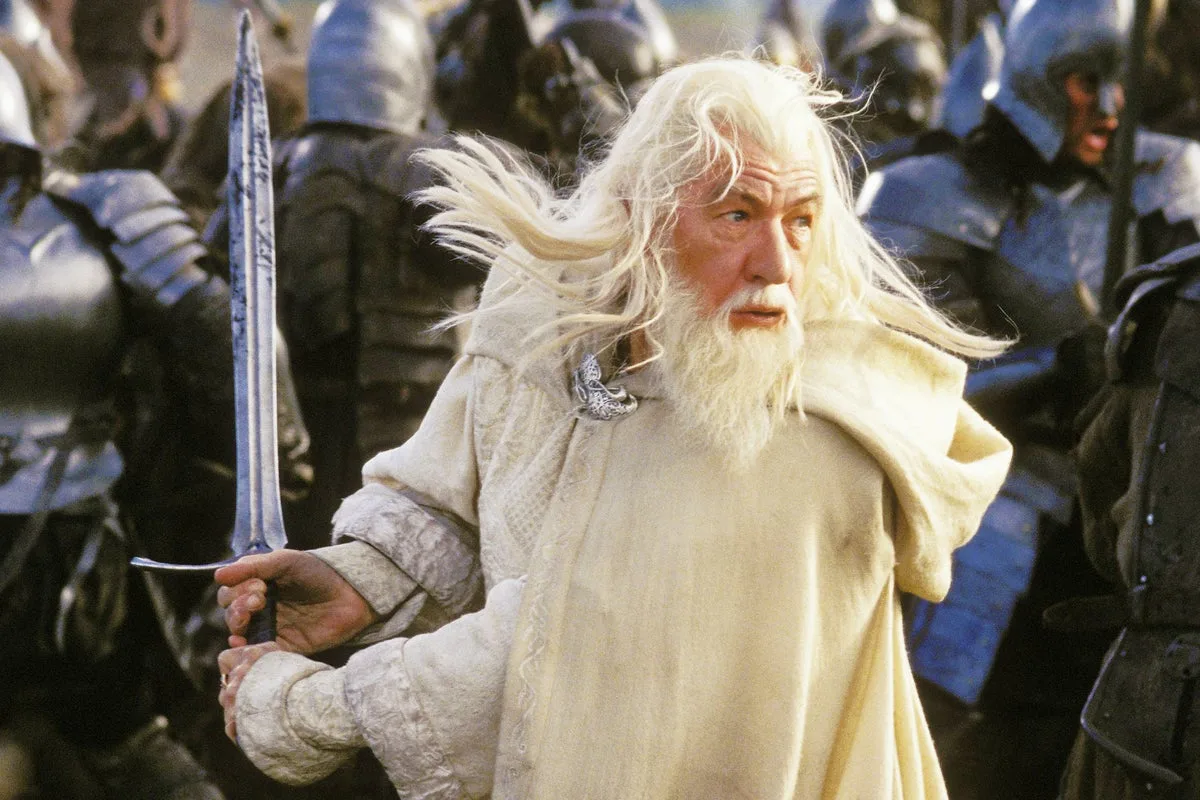
Twenty-five years after Peter Jackson's film adaptation first arrived in cinemas, The Lord of the Rings is returning to the big screen. Yet, as the extended editions enjoy a theatrical re-release, the saga's cultural footprint has shifted dramatically. Once the beloved domain of liberal literati and hippies, Tolkien's epic is now fervently championed by a new, powerful cohort: right-wing politicians and Silicon Valley billionaires.

From Hippies to Hardliners: A Fandom Transformed

The fanbase for The Lord of the Rings has grown louder, weirder, and far less edifying. The story was once a blend of tweedy respectability and folksy eccentricity, adored by young nerds and real ale aficionados. Today, that old guard has faded, and the nerds have grown up, grown wealthy, and often grown conservative, pulling the text's interpretation with them.

It has become a touchstone for figures like US Vice President JD Vance, who credits it with shaping his conservative worldview, and Italian Prime Minister Giorgia Meloni. Meloni, who once attended neo-fascist "hobbit camps" near Rome, has called the novels her roadmap and bible, stating, "I don't consider it to be a fantasy at all."

Musk, Mordor, and Modern Mythology

Perhaps most prominently, Elon Musk holds The Lord of the Rings as his favourite book, and he applies its mythology to contemporary politics. On Joe Rogan's podcast, Musk likened the Shire's hobbits to small-town England and asylum seekers to Mordor's orcs. He argued the hobbits' peace depended on "the hard men of Gondor," framing the tale as a parable for ethno-nationalism and strict border controls.

The libertarian venture capitalist Peter Thiel is similarly enthralled, naming his companies after Middle-earth lore: the data firm Palantir, the investment group Mithril, and the defence start-up Anduril.

A Story Forever Up For Grabs

It would be comforting to dismiss these readings as simple misunderstandings, akin to missing the satire in Starship Troopers. However, the text itself is complex. While it contradicts Musk's reductive theories, it also contains elements—a sense of moral exceptionalism and an implied racial hierarchy—that can tangentially support such views.

Peter Jackson's films now feel like an emissary from a kinder, simpler age, offering a more liberal, heroic interpretation. Yet, as the author discovered when hippies embraced his work, J.R.R. Tolkien lost control of his creation the moment he finished writing it. The story now belongs to everyone—to the old fans and the new, to Jackson and to Musk.

The gates of Moria are open. The Lord of the Rings is alive, its meaning forever debated from one side of the Misty Mountains to the other. As the trilogy celebrates its 25th anniversary in cinemas from 16 January, one thing is clear: Tolkien's tale, like the world it depicts, remains worth fighting over.