In 1994, director Lee Tamahori exploded onto the cinematic scene with a debut of staggering power and raw emotional force: Once Were Warriors. This social-realist drama from New Zealand immediately established Tamahori as a filmmaker of immense guts and flair, creating what many still consider his magnum opus.
A Gut-Wrenching Portrait of a Family in Crisis
The film centres on the Heke family, a working-class Māori household struggling in South Auckland. Temuera Morrison delivers a blistering performance as Jake, a boozing, brawling patriarch who lives on welfare. He returns from the pub with his sycophantic friends to terrorise his wife, Beth, played with equal power by Rena Owen, and their five children.
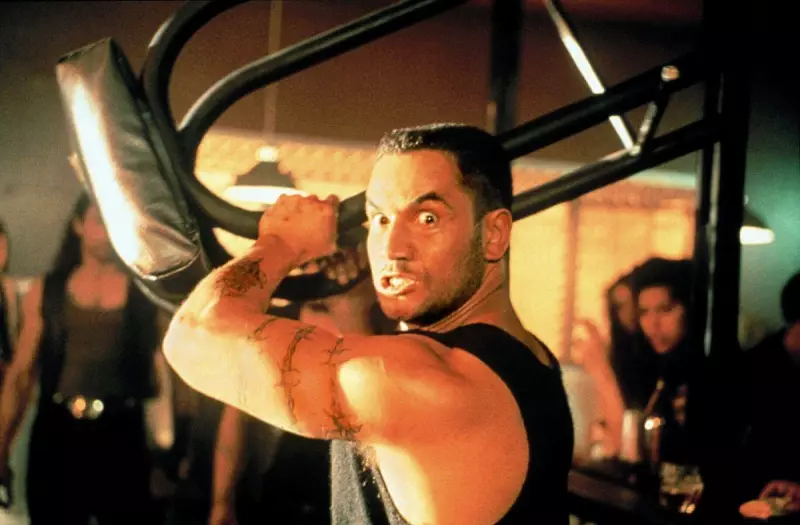
Jake shows utter indifference to his children's fates. His elder sons drift into gang culture and crime, with one embracing gang tattoos while the other is sent to a juvenile reformatory. It is there that this son discovers his heritage, learning the traditional haka and the warrior spear, the taiaha, finding a path to dignity and self-respect.
Back home, a profound tragedy unfolds. The family's sensitive and writerly daughter, Grace, is raped by Jake's grotesque friend, known as 'Uncle Bully'. The ensuing disaster leads Beth to confront her wretched husband with the film's iconic, heart-breaking line: "Our people once were warriors, but unlike you, Jake, they were people with mana, pride; people with spirit…"
From Critical Acclaim to Hollywood Blockbusters
Tamahori handled the film's emotional violence, pub brawls, and gang initiation rituals with unflinching confidence. He created a gutsy, heartfelt picture that resonated deeply with both audiences and critics in 1994. Its success impressed Hollywood executives, who saw his potential to bring this dynamic energy to mainstream genre films.
His American career began with the noir thriller Mulholland Falls, followed by the Anthony Hopkins and Alec Baldwin survival film, The Edge. He later directed the serviceable thriller Along Came a Spider and a sequel in the XXX franchise, State of the Union.
The pinnacle, and for some the low point, of his Hollywood tenure was helming the 2002 James Bond film, Die Another Day, starring Pierce Brosnan. The movie is often remembered for featuring what many deride as the worst gadget in 007 history: the invisible car.
A Return to Form and Lasting Legacy
After his Bond chapter, Tamahori found more interesting ground with The Devil’s Double in 2011. Starring Dominic Cooper in a dual role as Saddam Hussein's son Uday and his body double, the film was a punchy, watchable effort that cleverly avoided doppelganger clichés.
In later years, Tamahori returned to the subject of Māori culture with his 2023 film, The Convert, collaborating with Australian critic-turned-screenwriter Shane Danielsen.
While Lee Tamahori's career is marked by its variety and scale, from big-budget spy films to historical dramas, it is his first, fiercely passionate work, Once Were Warriors, that stands as his most powerful and enduring achievement.