When the RMS Titanic sank beneath the Atlantic waves in April 1912, it took with it almost all visual records of life on board during its maiden voyage. For over a century, the world's understanding relied heavily on survivor accounts. Yet, a remarkable collection of photographs survived, offering a poignant final glimpse of the doomed liner and those aboard.
The Priest Photographer Who Boarded the Doomed Ship
These last known images were captured by Father Francis Browne, an Irish Jesuit priest with a keen passion for photography. Born in Cork, Browne had led an interesting life, even being a former classmate of author James Joyce. His journey onto history's most famous ship began when his uncle gifted him a ticket for the first leg of the Titanic's voyage.
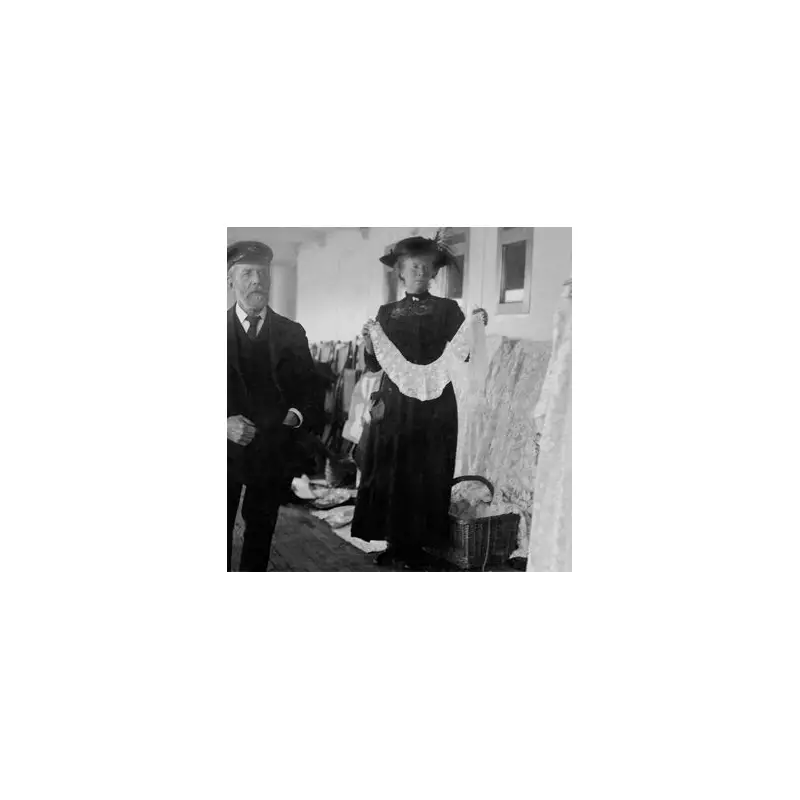
Browne travelled from Ireland to Southampton and boarded the ship as a first-class passenger. He diligently documented his experience with his camera during the short journey from Southampton to Queenstown (now Cobh) in Ireland. His photographs are now priceless historical artefacts, as they represent the final known moments of many who would perish.

A Stark Telegram and a Miraculous Escape
Father Browne's story is one of incredible fortune. While on board, he befriended a wealthy American couple who were so taken with him that they offered to pay his passage all the way to New York, including a return ticket. Tempted by the offer, Browne sent a telegram to his Jesuit superior in Dublin seeking permission to continue the journey.
The reply he received was brief, unequivocal, and ultimately life-saving: "GET OFF THAT SHIP". He obeyed the order and disembarked at Cobh on 11 April 1912. The Titanic sailed on towards its tragic fate, while Browne's photographic negatives remained safely ashore.
The Haunting Legacy of the Images
Browne's collection provides an unparalleled snapshot of the Titanic's brief life. His lens captured a wide array of scenes and people, including:
- Captain Edward J. Smith and Chief Purser Hugh Walter McElroy, both of whom famously went down with the ship.
- Scenes of crew members loading mail and luggage onto the vessel in Southampton.
- Elegant views of the first-class dining saloon, the gymnasium, and the promenade decks.
- The tender boats ferrying passengers in Cobh, and the Titanic's starboard anchor being raised.
- A poignant image of a little boy, Douglas Spedden, playing on the deck. Spedden survived the sinking but was tragically killed in a road accident three years later.
These photographs stand as a powerful, silent testament to the vibrant life on board just days before catastrophe struck. They freeze in time the ordinary routines and the people—both passengers and crew—who were unaware of the impending disaster. Father Browne's fortunate escape, dictated by a terse clerical command, ensured that this vital visual record was not lost to the deep, preserving a unique chapter of maritime history for generations to come.