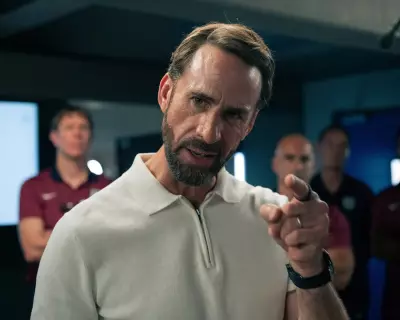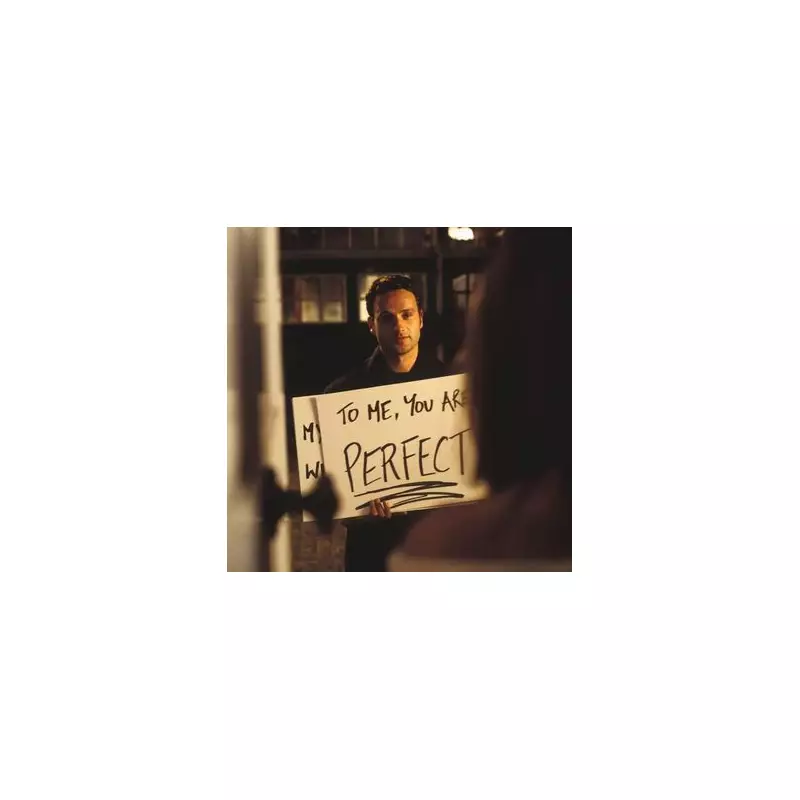
Jordan Stephens, the singer and actor from the duo Rizzle Kicks, has delivered a provocative new critique of the perennial Christmas favourite, Love Actually, suggesting the film sends a troubling message about women who speak their minds.
A Festive Re-evaluation on BBC Sounds
Stephens shared his views during a conversation about Christmas films on the Miss Me BBC Sounds podcast, hosted by Miquita Oliver. The discussion turned to the 2003 Richard Curtis rom-com, which features an ensemble cast including Hugh Grant, Emma Thompson, and Keira Knightley.
Setting the scene, Stephens began with a disclaimer, noting his thoughts had been shaped by a viral post he read years ago. He then stated: "Listen, Love Actually is a great Christmas film, but unfortunately, once you step away from it as an adult, review it, the moral of Love Actually is if you are a woman who speaks, no one loves you."

Dissecting the Film's Female Roles
Stephens elaborated on his argument by examining specific storylines. He pointed out that Emma Thompson's character is cheated on by her husband with a quieter office colleague. He noted that Colin Firth's character falls for a woman who doesn't speak his language, and that Martine McCutcheon's character is repeatedly referred to as "the fat one".
"Miquita Oliver agreed with this point, responding: 'That I always found upsetting,'" the podcast revealed.
Stephens continued his analysis, highlighting the plot where Kris Marshall's character brings home two American women and gifts one to his friend. He also critiqued the storyline involving the woman who cares for her mentally ill brother, suggesting her responsibility denies her a romantic or sexual connection.
Mixed Reaction and Acknowledging Shifted Times
Wrapping up, Stephens conceded that times have shifted since the film's release in 2003, offering some leniency to writer-director Richard Curtis. "To take some heat off Richard Curtis, times have shifted, and this was centred from a different time," he concluded.
The segment, shared by BBC Sounds on social media, sparked a divided response from the public. One critic dismissed it as "a deliberately obtuse take," while others found merit in the analysis.
"I've always loved Love Actually... but you are right. I'd love someone to remake it. It could be brilliant," wrote one listener. Another admitted, "I still love it, but you have to watch it with incredibly thick rose tinted spectacles on." A third commenter fully agreed, stating, "I adore Love Actually from a nostalgic standpoint. But he's 100% right on all points."
The debate underscores how modern audiences are re-evaluating classic films through a contemporary lens, questioning narratives that were once widely accepted as harmless festive fun.