Jacob Elordi's Heathcliff Casting Ignites Race Debate in Classic Literature Adaptations
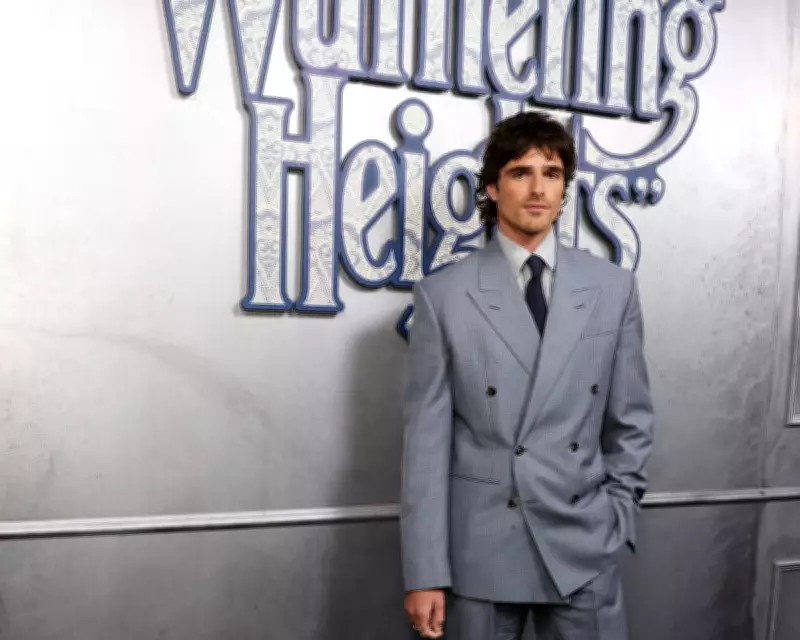
Emerald Fennell's highly anticipated adaptation of Emily Bronte's Wuthering Heights has sparked fresh controversy over racial representation in classic literature adaptations. The film, which features Australian actor Jacob Elordi as the brooding Heathcliff, raises questions about the persistent casting of white actors in a role described in the novel as ethnically ambiguous and "dark."
A History of Whitewashed Heathcliffs
By conservative estimates, there have been 18 different filmed adaptations of Bronte's Gothic masterpiece. Throughout cinematic history, Heathcliff has predominantly been portrayed by white actors including Richard Burton, Tom Hardy, and Ralph Fiennes. This tradition continues with Elordi's casting, despite the character's explicit description as racially ambiguous in the original text.
Fennell defends her choice by explaining that Elordi represents the version of Heathcliff she imagined when first reading the novel at age 14. "I can't quibble too much with that," acknowledges the debate, noting that Wuthering Heights exists in the public domain, allowing filmmakers considerable creative freedom.

Notable Exceptions and Commercial Realities
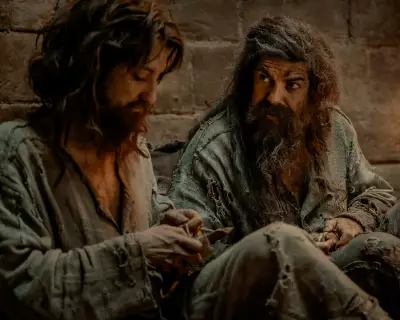
The 2011 adaptation directed by Andrea Arnold marked a significant departure from tradition by casting Black British actor James Howson as Heathcliff. Howson, plucked from obscurity for the role, received approximately £8,000 for his performance before returning to relative anonymity. The film's commercial failure highlights the industry's preference for established stars like Elordi to ensure box office returns.
"Who am I to argue against the holy Saint Commerce?" questions the commercial imperative behind casting decisions. The industry's tendency to prioritize star power over authentic representation continues to shape adaptation choices.
Thematic Resonance and Personal Interpretation
At its core, Wuthering Heights explores themes of class resentment, prejudice, and social alienation. Heathcliff's mysterious origins and physical differences from the Earnshaw family reinforce his outsider status, making his relationship with Cathy Earnshaw socially unacceptable. These elements speak powerfully to contemporary discussions about othering and social exclusion.
The author reflects on personal experiences with interracial relationships, noting their continued rarity in mainstream media. While films like 2015's Focus feature interracial pairings, they rarely engage deeply with the social implications of such relationships.
Creative Vision Versus Social Responsibility
Fennell's adaptation emphasizes the passionate, illicit romance between Cathy and Heathcliff, complete with contemporary pop music and elaborate production design. However, critics question why an intelligent filmmaker couldn't envision an interracial relationship that better reflects the novel's themes of difference and exclusion.
"Maybe for the same reason I imagined Transformers stomping around on the moor," suggests the author. "Because we see only what we want to see." This observation highlights how personal perspectives shape artistic interpretations, sometimes at the expense of thematic authenticity.
The debate extends beyond Fennell's film to broader questions about adaptation ethics. Should filmmakers prioritize commercial considerations, personal vision, or faithful representation when reinterpreting classic works? As Wuthering Heights continues to inspire new adaptations, these questions remain unresolved, challenging creators to balance artistic freedom with social consciousness.