Twenty-five years after its theatrical debut, the film Hannibal remains one of cinema's most polarising and problematic sequels. The journey from Thomas Harris's controversial novel to Ridley Scott's blockbuster was fraught with creative disagreements, casting upheavals, and fundamental concerns about character integrity.
The Unwanted Adaptation
In early 1999, Oscar-winning screenwriter Ted Tally visited author Thomas Harris in Miami to celebrate the completion of Harris's third Hannibal Lecter novel, simply titled Hannibal. However, the celebration was overshadowed by an impending professional disappointment. Tally and filmmaker Jonathan Demme, who had successfully adapted The Silence of the Lambs in 1991, found themselves unable to embrace Harris's new work.
"We were having this celebratory dinner and we all knew we would have to break his heart the next day," Tally recalls. "He was shocked. He had worked so hard to complete it. He was blocked for a long time to find an ending that he could make work for him. But it didn't work for us."

A Problematic Conclusion
The novel's conclusion proved particularly troublesome for the original creative team. Harris's story ended with FBI agent Clarice Starling consuming human brains alongside Hannibal Lecter before the pair escape together. Demme described this resolution as giving "an icky feeling," while Jodie Foster, who had portrayed Starling in the original film, found the character's transformation unacceptable.
"The original movie worked because people believed in Clarice's heroism," Foster stated. "I won't play her with negative attributes she would never have." This principled stand created a significant obstacle for the sequel's development.
Creative Compromises and Casting Changes
With Foster's departure and the original creative team's reluctance, the project underwent substantial transformation. Ridley Scott eventually took directorial control, bringing his distinctive visual style to the material. Julianne Moore assumed the role of Clarice Starling, though her casting created an inherent sense of inauthenticity for many viewers.
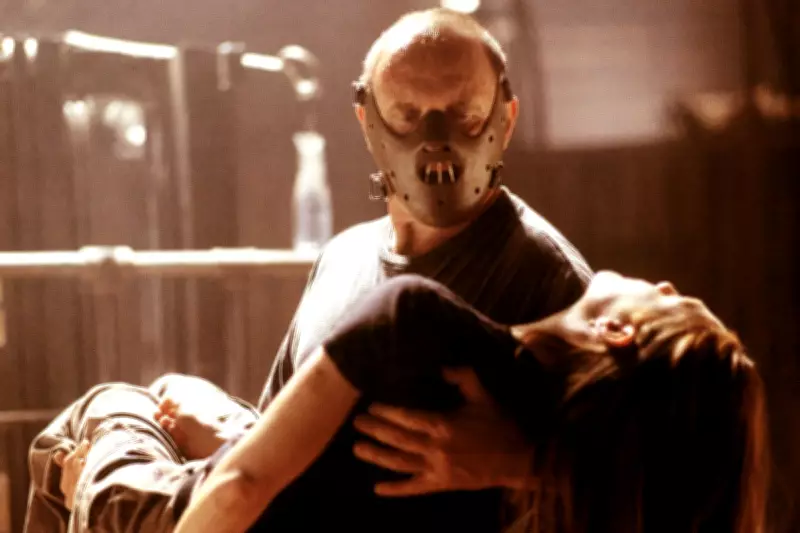
Anthony Hopkins reprised his iconic role as Hannibal Lecter, but the character underwent significant evolution. No longer confined to a maximum security cell, this version of Lecter roamed freely through Florence as a cultured fugitive, dispensing violent justice to villains rather than innocent victims.
Violence and Humour
Scott approached the novel's extreme violence with characteristic directness, once remarking that he "found it quite humorous." This tonal shift distinguished Hannibal from its predecessor, replacing psychological horror with more visceral, crowd-pleasing gore. The film's most notorious scene features Lecter preparing and serving a character's own brain, played for both horror and dark comedy.
Screenwriters David Mamet and Steven Zaillian made significant alterations to Harris's source material, excising several disturbing elements including Mason Verger's death by eel. This editing process reflected the filmmakers' attempts to balance faithfulness to the novel with audience accessibility.
Box Office Success and Critical Reception
Despite mixed reviews upon its release on 9 February 2001, Hannibal achieved substantial commercial success, grossing $351 million worldwide. This marked Ridley Scott's second consecutive box office triumph following Gladiator, demonstrating his ability to deliver financially successful projects even when working with challenging material.
Legacy and Lasting Impact
The Hannibal production highlighted the complexities of adapting beloved literary characters for the screen, particularly when source material diverges significantly from audience expectations. Ted Tally's assessment of the character development issue remains poignant: "We just felt that he had betrayed his own characters. Clarice had gone over to the dark side and flipped her personality."
Hopkins offered characteristically modest reflections on his performance, stating simply, "I just read the script, learn the lines, and do it." Yet his return to the role helped maintain continuity for audiences despite the film's numerous departures from the original's spirit.

Ultimately, Hannibal stands as a testament to Hollywood's willingness to pursue lucrative intellectual property even when creative consensus proves elusive. The film's production history reveals the delicate balance between artistic integrity, commercial considerations, and fan expectations in major studio filmmaking.