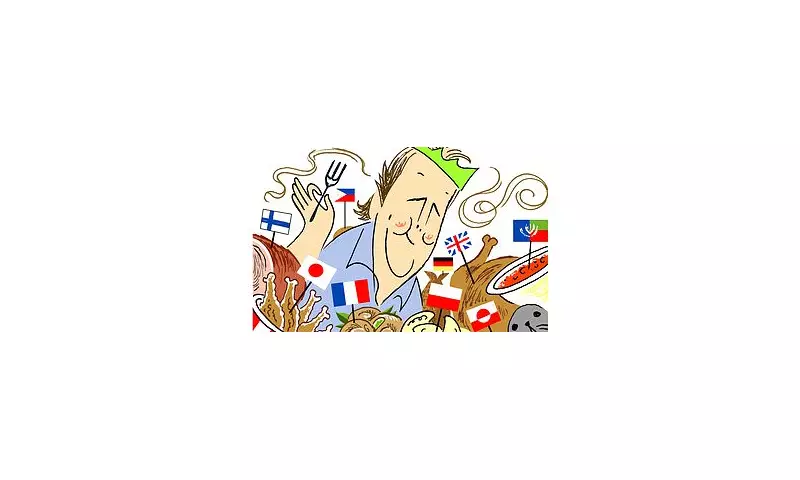
For many in Britain, the traditional Christmas lunch of dry turkey, overcooked sprouts, and heavy pudding is less a celebration and more a culinary chore. One could lay the blame at the feet of Charles Dickens, whose A Christmas Carol is credited with popularising the American turkey over Britain's traditional festive staples like stuffed boar's head, beef, and goose.
A Global Tour of Festive Fare
While the UK contends with its turkey, other nations celebrate with far more unusual centrepieces. In Japan, Christmas is a secular, commercial affair, and the must-have meal is not a rare delicacy but a Kentucky Fried Chicken Christmas Party Barrel. Priced at around £25, this special edition bucket contains eight pieces of fried chicken, a gratin, and a pudding. The tradition began in 1974 after a KFC manager in Nagoya overheard an expat lamenting the lack of turkey. The slogan 'Kentucky is Christmas!' was born, and now millions pre-order their festive buckets every year.
Venturing to Greenland reveals even more adventurous palates. The festive speciality 'kiviak' involves stuffing a seal carcass with up to 500 small Arctic birds, sealing it with fat, and burying it to ferment for up to 18 months. The resulting dish is consumed by biting off the birds' heads and sucking out the juices. Another local classic is 'mattak' – raw whale skin with blubber.

European Elegance and Hearty Feasts
Across Europe, traditions vary widely. In Poland, the Christmas Eve feast consists of 12 dishes representing the Apostles, including carp, beetroot soup (barszcz), and pierogi dumplings. Norwegians savour the scent of dry-cured lamb ribs ('Pinnekjøtt') cooked over birch wood, followed by a rice pudding with a hidden almond that wins the finder a marzipan pig – a tradition mirrored in Denmark.
The French Réveillon on Christmas Eve is a spectacular affair, featuring oysters, foie gras, snails, and multiple roasted meats, culminating in a bûche de Noël. Meanwhile, in Germany, the feast often starts with fish on Christmas Eve before moving to roast duck or goose with dumplings and red cabbage, finished with stollen.
Sun, Spice, and Celebration Further Afield
In the Philippines, the centrepiece is the mighty 'lechon' – a whole roasted pig with crisp, glass-like skin. In Goa, India, the Portuguese influence shines through in 'sorpotel', a tangy, spicy stew of pork and offal. Australians, celebrating in summer, favour barbecued seafood like crayfish and Moreton Bay bugs alongside glazed ham and pavlova.
Even the author, while serving turkey to the extended family, opts for a rare four-rib beef joint on the day itself. Yet a nostalgic yearning remains for the lost extravagance of historic British feasts, like the Victorian Christmas Pie, a complex concoction of various game birds and meats. It seems the debate over the perfect festive feast is as enduring as the season itself.