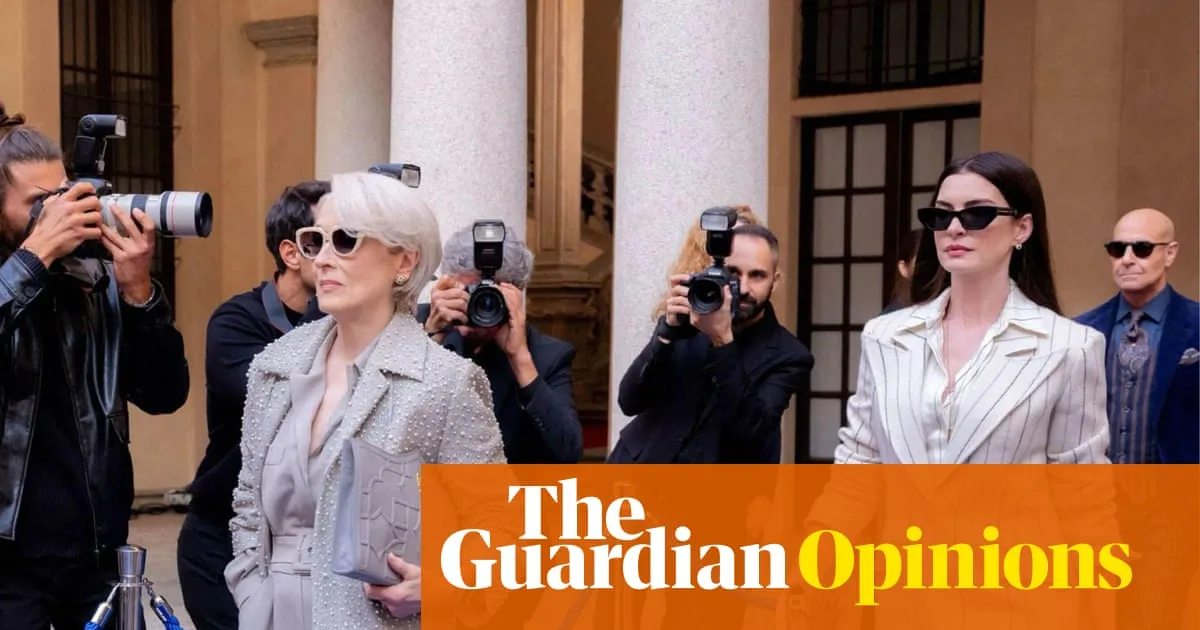
The Devil Wears Prada sequel captures the unglamorous reality of modern journalism, a far cry from the fantasy sold to millennials. In the original film, Andy Sachs embodied the dream of impressing a formidable editor through hard work and ambition. But the sequel, set in a struggling media landscape, reflects the harsh truths of buyouts, redundancies, and pivots that define today's industry.
Many journalists of a certain age have experienced the turmoil of a shrinking media world. The sequel's Runway magazine is on hard times, its physical edition reduced to a book of ads, and Miranda Priestly forced to fly economy. Andy, now a journalist at a newspaper, discovers she and her entire team have been made redundant after a buyout—a scenario all too familiar to those in the field.
The film serves as a eulogy for both glossy print magazines and the digital media era that replaced them. The author recalls working at an online outlet that struggled to balance real news with silly content, all while chasing traffic targets. Despite the absurdity, there was still room for meaningful journalism, even if it meant writing about Harry Styles' hats.

But the dream is often thwarted by wealthy, amoral owners who buy up media companies for their own ends. In one role, the author's site was bought by an advertising firm that tried to turn journalists into billboard copywriters. The sequel captures this disillusionment, showing that the real devil isn't just a demanding boss, but a system that commodifies journalism.