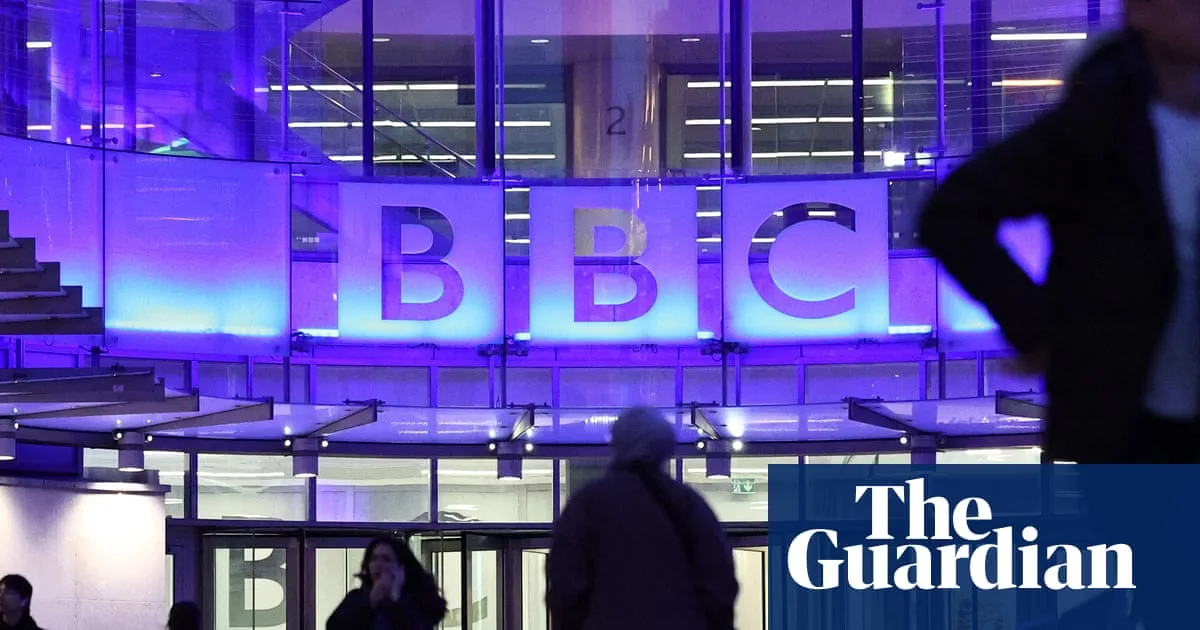
The BBC has announced plans to cut up to 2,000 jobs, representing about 10% of its 21,500-strong workforce, in the largest downsizing of the public service broadcaster in 15 years. Staff were informed of the cuts during an all-staff meeting on Wednesday afternoon, led by interim director general Rhodri Talfan Davies.
The job losses come ahead of Matt Brittin, a former top Google executive, taking over as director general next month. The corporation had already outlined a £600m cost-cutting plan in February, with outgoing director general Tim Davie stating that the BBC would need to reduce its annual cost base by 10% over three years. Davie left the BBC on 2 April after announcing his resignation in November.
In an email to staff, Talfan Davies said the BBC faces significant financial pressures, with a growing gap between costs and income driven by high production inflation, pressure on licence fee and commercial income, and a turbulent global economy. He stated that the broadcaster needs to save an additional £500m from its total annual operating costs of £5bn over the next two years, with the bulk of savings required in 2027-28.
Talfan Davies added that the BBC would introduce tighter cost controls on recruitment, travel, management consultancies, and attendance at conferences and events. Divisions are also reviewing areas of duplication and potential activities to stop. Spending plans for each division in 2027-28 will be shared with staff in September.
The union Bectu expressed concern, with head Philippa Childs saying cuts of this magnitude would be devastating for the workforce and the BBC's ability to deliver its public mission. She urged the government to ensure charter renewal puts the BBC's funding on a more secure footing. The BBC is currently negotiating with the government over the renewal of its royal charter, which expires at the end of next year.
The licence fee increased to £180 annually on 1 April, but the number of licence fee paying households fell by 300,000 year-on-year amid rising evasion and competition from streaming platforms like Netflix and Disney. Ofcom has warned that public service television is becoming an 'endangered species' in the streaming era.