Super Bowl 60 Advertisers Pay Record $8 Million for Star-Studded Commercials
As Super Bowl Sunday draws near, the off-field competition among advertisers is intensifying, with brands deploying A-list celebrities and cutting-edge technology to capture the attention of over 120 million viewers. This year's spectacle, Super Bowl 60 airing on NBC, sees dozens of companies vying for a place in the cultural conversation, paying unprecedented sums for advertising slots that have been sold out since September.
Record-Breaking Advertising Investment
Peter Lazarus, executive vice president for sports & Olympics, advertising and partnerships at NBCUniversal, has revealed that a 30-second commercial spot during the game commands an average of $8 million, with some premium slots selling for over $10 million – establishing a new record for Super Bowl advertising. Lazarus described February as a "legendary February" due to the convergence of the Super Bowl, Olympics, and NBA All-Star Game.
The annual influx of advertisers is driven by the game's unparalleled viewership, with 127.7 million US viewers tuning in across television and streaming platforms in 2025. Live sporting events remain one of the few avenues in today's fragmented media landscape where advertisers can reach such a massive audience simultaneously, explaining the fierce competition for airtime.

Celebrity Power Dominates Commercial Lineup
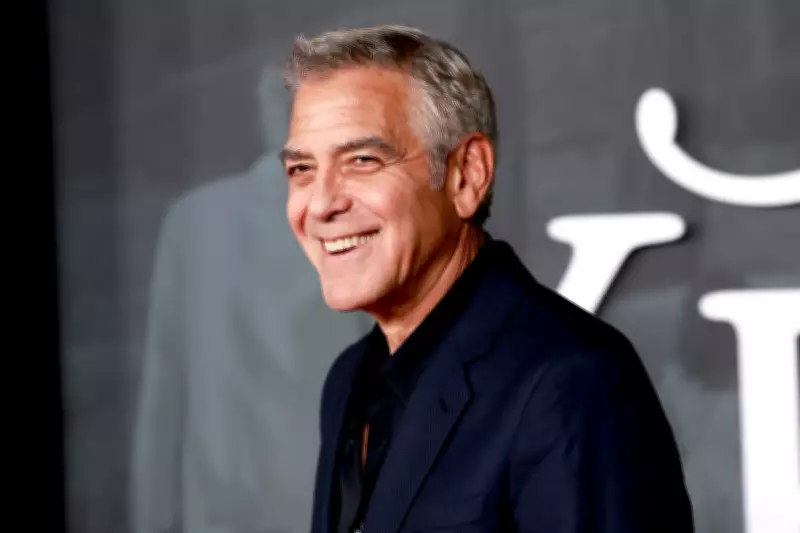
Celebrity endorsements remain a tried-and-tested method for brands to garner goodwill, with this year's lineup featuring some of Hollywood's biggest names. George Clooney appears in a Grubhub advertisement promoting a deal where the delivery app offers to "Eat the Fees" on orders exceeding $50, while Kendall Jenner features for Fanatics Sportsbook discussing the playful "Kardashian Kurse" concept.
Several commercials boast multiple famous faces, including Michelob Ultra's ad showing Kurt Russell training actor Lewis Pullman with Olympic athletes observing, and Xfinity's humorous "Jurassic Park" reimagining that reunites Sam Neill, Laura Dern, and Jeff Goldblum. Uber Eats, for the second consecutive year, enlists Matthew McConaughey to convince celebrities that football is a conspiracy designed to induce hunger.
Artificial Intelligence Makes Significant Inroads
Artificial intelligence is making substantial inroads into Super Bowl advertising for the second consecutive year, with multiple brands incorporating AI themes and technology into their campaigns. Oakley Meta promotes its AI-enabled glasses in two action-packed spots featuring Spike Lee and Marshawn Lynch using the eyewear to film videos and answer questions.
Wix Harmony debuted an ad for its web design software incorporating AI tools, while Svedka Vodka collaborated with AI studio Silverside AI to create its advertisement featuring robot mascots FemBot and BroBot. Sara Saunders, chief marketing officer at Sazerac, explained this approach aligns with Svedka's positioning as the "vodka of the future," noting they spent months rebuilding the robot via AI to give it "human spirit."
Health and Telehealth Providers Take Center Stage
Health and telehealth providers are notably prominent during Super Bowl 60, with pharmaceutical companies and medical service providers securing valuable advertising slots. Two pharmaceutical companies are advertising medical tests: Novartis promotes a blood test for prostate cancer with football-themed messaging, while Boehringer Ingelheim's ad stars Octavia Spencer and Sofia Vergara encouraging kidney disease screenings.
Telehealth firm Ro features Serena Williams in its advertisement for GLP-1 weight loss drugs, with Novo Nordisk, makers of Wegovy and Ozempic, also hinting at a forthcoming spot. Tim Calkins, a clinical professor of marketing at Northwestern University, commented: "You could call this the GLP-1 Super Bowl. Often you don't see a lot from pharmaceutical companies on the Super Bowl, but this year we're going to see quite a few showing up."
Nostalgic Themes and Time-Honoured Approaches
While many advertisers embrace new technologies and health themes, others are sticking to time-honoured approaches with nostalgic elements. Budweiser's heartwarming commercial depicts a Clydesdale foal growing up with a bald eagle, set to Lynyrd Skynyrd's "Free Bird" and celebrating the brand's 150th anniversary.

Pepsi aims to reignite the "Cola wars" with an advertisement showing polar bears – Coca-Cola's famous mascots – choosing Pepsi Zero Sugar over Coke Zero in a blind taste test. Ben Affleck returns in a Dunkin' Donuts commercial with a teaser featuring him alongside 90s sitcom legends from "Friends" and "Seinfeld," demonstrating how nostalgia continues to resonate with Super Bowl audiences.
Cultural Significance and Marketing Strategy
Historically, Super Bowl advertisements serve as a cultural barometer, offering a snapshot of the American zeitgeist and highlighting which industries are currently flush with capital. This trend has been evident from the "Dot-Com Bowl" of 2000 to the "Crypto Bowl" of 2022, with this year's emphasis on AI and health reflecting current technological and societal trends.
Charles Taylor, a marketing professor at Villanova University, anticipates a predominantly light-hearted and humorous tone from advertisers despite weighty global headlines. "Because of the Super Bowl's status as a pop culture event with a fun party atmosphere, the vast majority of brands will avoid any dark or divisive tone and instead allow consumers to escape from thinking about these troubled times," he explained.
With 40 percent of advertisers purchasing spots across all of NBC's major sports properties and 70 percent of Super Bowl advertisers also buying into the Olympics, the strategic integration of sports marketing continues to evolve, making the Super Bowl not just a sporting event but a pivotal moment in advertising and cultural history.