Strictly Star's Death Ruled Suicide, Jury Cites Professional Rejection as Factor
Strictly Star's Suicide Ruled, Rejection Cited as Contributing Factor

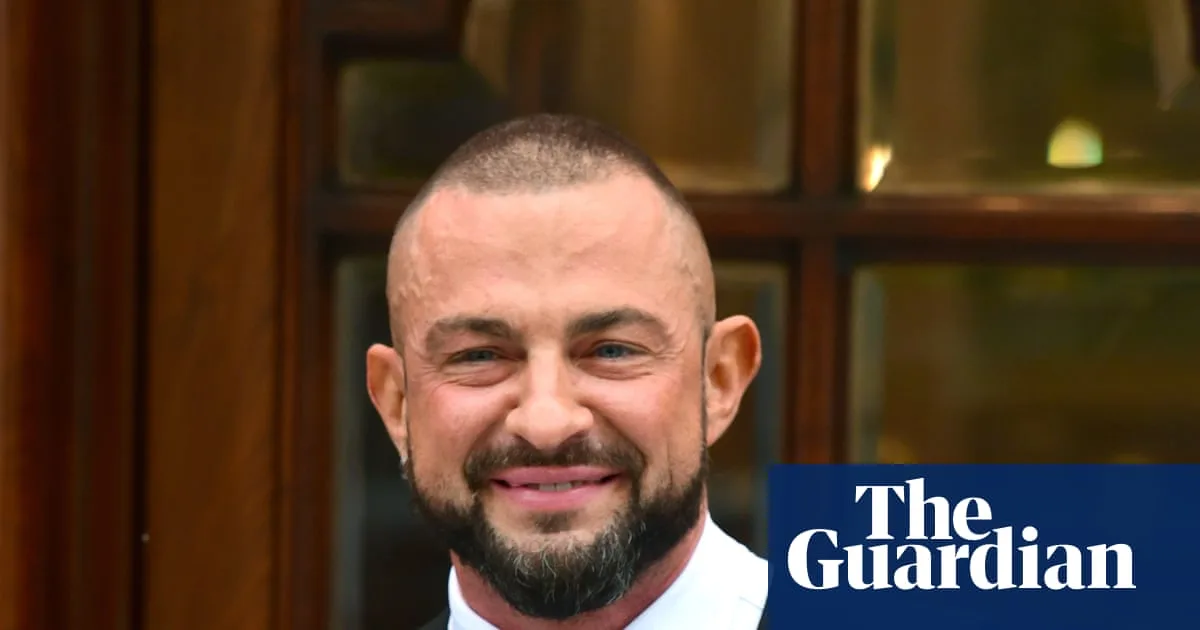
A former Strictly Come Dancing star who was discovered deceased in a London hotel room has been officially ruled to have taken his own life, with a coroner's jury identifying multiple contributing factors including profound vulnerability to professional and emotional rejection.

Inquest Findings and Contributing Factors

Professional dancer Robin Windsor, aged 44, was found in a hotel room in Shepherd's Bush, west London, in February 2024. After approximately two hours of deliberation, jurors at West London Coroner's Court delivered their conclusion on Thursday, stating that Windsor died by suicide. The forewoman articulated the jury's findings, noting that the probable causes stemmed from an accumulation of attributes leading to depression.

The jury explicitly highlighted several key factors: childhood trauma, vulnerability to rejection both emotionally and professionally, loneliness, lack of emotional maturity, pressure from mounting debts, insufficient consistent mental health care and support, and recurring heartache. These elements collectively contributed to Windsor's mental health deterioration, ultimately leading to his tragic decision.

Wide Pickt banner — collaborative shopping lists app for Telegram, phone mockup with grocery list

Strictly Come Dancing Career and Aftermath

Robin Windsor joined the popular BBC show Strictly Come Dancing in 2010, partnering with notable celebrities such as actresses Patsy Kensit, Anita Dobson, and Lisa Riley, as well as Dragons' Den star Deborah Meaden across four series until 2013. A back injury prevented his participation in the 2014 series, and he was subsequently dropped from the professional lineup in 2015, though he did appear in that year's Christmas special alongside TV presenter Alison Hammond.

The inquest revealed that Windsor left a note expressing how his treatment upon being removed from the show "destroyed" him. In the note, he wrote, "This all really started when I lost my job on Strictly and have been fighting it ever since," adding, "The way they treated me destroyed me ... it started me on the road I am still on."

Personal Struggles and Testimonies

Testimonies from friends and colleagues painted a detailed picture of Windsor's ongoing struggles. Emmerdale actress Lisa Riley, his dance partner in 2012, stated that after his removal from Strictly, his "glow had gone," and he descended into "endless depression." She recounted his battles with feelings of inadequacy, imposter syndrome, and an incident of molestation by a dance tutor. Riley also noted his body image insecurities, use of steroids combined with alcohol, and severe financial difficulties, describing him as "drowning in debts" and spending frantically on unaffordable designer items.

X Factor star and ex-boyfriend Marcus Collins provided a written statement, recalling that Windsor's mental health deteriorated significantly after his contract with Strictly ended. "The day that he was informed that he was no longer required for Strictly really broke his spirit," Collins said, mentioning a holiday in New York where Windsor was "inconsolable." He added that Windsor's mental health was "challenged almost constantly from this point."

Other testimonies included those from actor Terry Gleed, who worked with Windsor in a production of Aladdin in December 2023, noting his co-star was "obsessed" with Strictly and "missed it dearly." Choreographer Scott Coldwell shared that Windsor expressed being "desperate" to return to the BBC show. Jurors also heard about Windsor's struggles with an on-off relationship that ended in August 2023.

Coroner's Remarks and Terminology

Coroner Dr. Anton van Dellen addressed Windsor's family after the jury's conclusion, expressing hope that they could find comfort in the joy he brought to many and the positive impact he had. "That is a wonderful legacy," he said, encouraging them to remember the happy times and deep public affection for Windsor.

In line with modern inquest practices, jurors were directed to record the death as Windsor having "completed suicide" rather than "committed" it, as the latter term could imply a criminal act and is considered inappropriate in such contexts.

Pickt after-article banner — collaborative shopping lists app with family illustration

The inquest detailed that Windsor's death involved consumption of alcohol and a drug, underscoring the complex interplay of factors in his final moments. The jury's findings serve as a poignant reminder of the critical importance of mental health support, particularly for individuals in high-pressure entertainment industries.