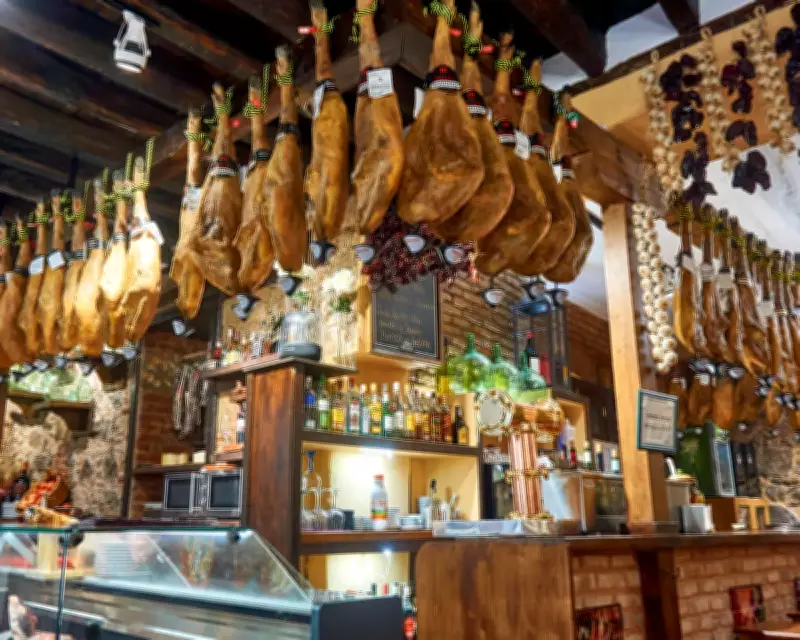
In the vibrant tapestry of Spanish culture, few symbols are as potent and widely cherished as jamón, the cured ham that graces tables from bustling tapas bars to family gatherings. This delicacy, particularly the prized jamón ibérico, is more than just a culinary staple; it has evolved into a powerful emblem of national identity and tradition. However, beneath its savoury allure lies a complex and often contentious history that modern culture warriors frequently ignore or romanticise.
The Rise of Jamón as a Cultural Icon
Over recent decades, Spanish jamón has transcended its humble origins to become a global gastronomic phenomenon. Its production, rooted in centuries-old techniques involving the rearing of Iberian pigs on acorn-rich dehesas (pastures), is celebrated as an art form. In Spain, it is not uncommon to see jamón featured prominently in festivals, media, and political discourse, where it is wielded as a symbol of authenticity and heritage. This elevation has turned it into a focal point for debates about cultural preservation versus globalisation, with proponents arguing it embodies the soul of Spanish cuisine.
Jamón in the Modern Culture Wars
In today's polarised social landscape, jamón has been co-opted by various factions in Spain's culture wars. On one side, traditionalists and nationalist groups champion it as a bulwark against foreign influences, using it to promote a homogenised vision of Spanishness. Conversely, progressives and regionalists may critique this narrative, pointing out how it can marginalise other culinary traditions within Spain's diverse regions, such as Catalan or Basque cuisines. This politicisation has turned a simple food item into a battleground for broader conflicts over identity, history, and belonging.

Unearthing the Dark Historical Roots
Despite its celebratory status, the history of Spanish jamón is intertwined with darker chapters that are often glossed over. The production of jamón ibérico, for instance, is linked to the exploitation of rural labour and land, with historical ties to feudal systems and later, industrial practices that have raised ethical concerns about animal welfare and environmental sustainability. Moreover, during periods of political turmoil, such as the Francoist dictatorship, jamón was sometimes used as a tool of propaganda, promoting a sanitised version of Spanish culture that obscured repression and inequality.
Overlooked Narratives and Ethical Considerations
As jamón gains international acclaim, there is a growing need to confront these overlooked narratives. Critics argue that the romanticisation of jamón ignores the socioeconomic disparities in its production, including the challenges faced by small-scale farmers in competing with large corporations. Additionally, the environmental impact of intensive pig farming, particularly in regions like Extremadura, has sparked debates about sustainability and conservation. By acknowledging these complexities, we can appreciate jamón not just as a tasty treat, but as a product of a multifaceted history that deserves critical examination.
In conclusion, Spanish jamón stands at the intersection of gastronomy, politics, and history. While it rightfully holds a place of pride in Spanish culture, its journey from farm to table is marked by stories of conflict, exploitation, and identity struggles. As culture warriors continue to debate its significance, a more nuanced understanding that embraces both its delights and its darker past is essential for a richer appreciation of this iconic food.