The British adaptation of the iconic American sketch show Saturday Night Live has ignited a significant controversy following a highly provocative joke made during its latest broadcast. The programme, which has already generated mixed critical responses since its launch, shocked viewers with a segment that drew a direct and unsettling comparison between Meta billionaire Mark Zuckerberg and Adolf Hitler.
Controversial Joke Sparks Immediate Outrage
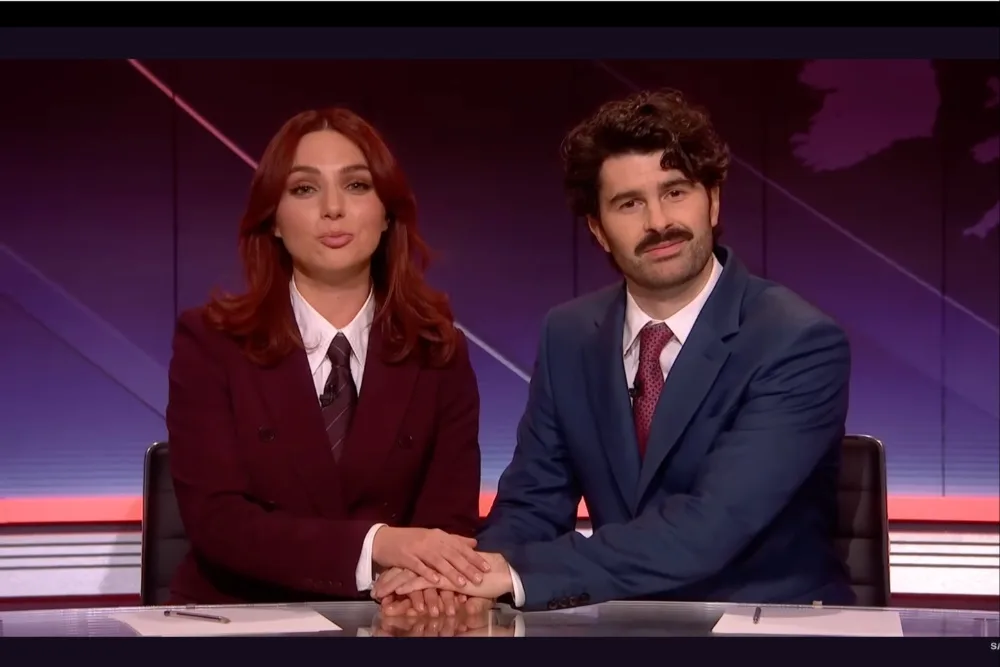
During the Weekend Update segment, co-host Ania Magliano delivered the line that has since caused widespread backlash. Referencing reports that Zuckerberg is constructing an underground bunker at his California compound, Magliano stated, 'And I hope he uses that bunker in exactly the same way Hitler did.' The comment, which alluded to Hitler's suicide in his Berlin Führerbunker in 1945, was met with audible gasps from the studio audience and immediate condemnation on social media platforms.
Viewer Reactions and Social Media Firestorm
The public response was swift and largely critical. On various social media channels, viewers expressed their disbelief and discomfort. One user questioned, 'So they want him to commit suicide?' while another remarked, 'That line about the bunker… yikes, but comedy’s supposed to push boundaries.' Others were less forgiving, with comments such as 'How is that comedy?' and criticisms of the presenter's delivery, noting 'The female anchor seems to think that coyly chuckling at every joke will convince people it's funny.'
This incident comes amid revelations from industry insiders that broadcaster Sky has invested approximately £2 million per episode into the production of SNL UK, a substantial sum that has raised expectations for the show's quality and content.
A Pattern of Provocative Content
The controversial Zuckerberg joke is not an isolated incident in SNL UK's short broadcasting history. The show has established a pattern of targeting high-profile figures with daring and often brutal satire. In the preceding episode, the programme delivered a widely praised cold open sketch that skewered Andrew Mountbatten Windsor, following his arrest in connection with the Jeffrey Epstein scandal.
The Andrew Windsor Sketch: Dark Humour and Political Commentary
That particular sketch presented a fictional scenario in which MI5 agents recruit a young Prince Andrew in 1997, following Princess Diana's death, as part of a 29-year plan to make his brother, the future King Charles, appear more favourable by comparison. The darkly comic premise saw Andrew agreeing to undertake increasingly questionable actions, culminating in the line: 'And you actually need me to do all of this stuff? Even the part about befriending a notorious paedophile?'
The sketch extended its satire to other figures implicated in the Epstein files, including former European Trade Commissioner Peter Mandelson, and incorporated references to Prince Harry's marriage and a notorious code phrase involving a Pizza Express in Woking. This segment was hailed by many fans as a 'genius' piece of political comedy, demonstrating the show's willingness to tackle sensitive subjects head-on.
Balancing Edge with Offence in Modern Comedy
The contrasting reactions to these two sketches highlight the fine line contemporary satire must walk. While the Andrew Windsor sketch was celebrated for its clever and timely political commentary, the Zuckerberg joke has been widely perceived as crossing a boundary from edgy humour into potentially harmful rhetoric. The comparison of a living tech billionaire to one of history's most reviled dictators, specifically referencing suicide, has struck many as being in poor taste, regardless of comedic intent.
This incident raises important questions about the responsibilities of broadcasters, particularly those investing heavily in new programming. As SNL UK continues its run, it faces the challenge of establishing a distinct comedic voice for a British audience while navigating the complexities of satire in an increasingly sensitive cultural landscape. The show's future reception may well depend on its ability to craft humour that challenges and provokes without resorting to comparisons that many find genuinely distressing and inappropriate for mainstream entertainment.