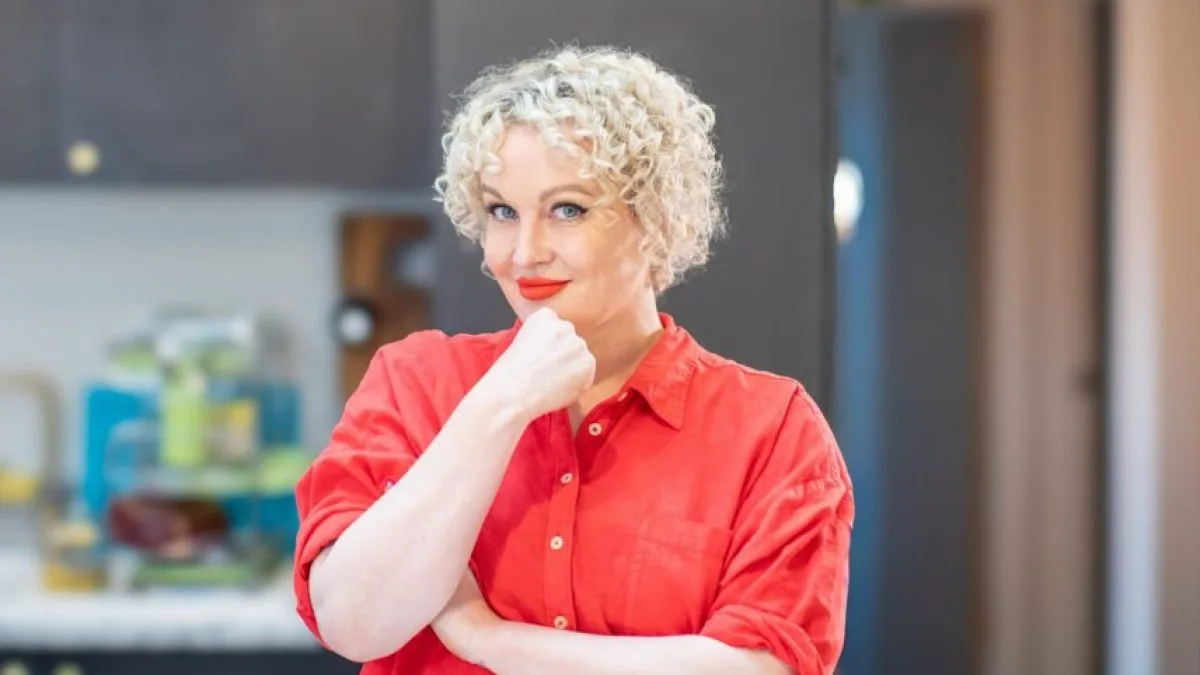
Earlier this month, actress Rachel Ward appeared on social media to promote her ethical meat initiative, Farmthru. The 68-year-old former model and star of The Thorn Birds was met with a wave of criticism from trolls who took issue with her natural appearance: grey hair, no makeup, and a suntanned, wrinkled face. Comments such as 'What happened to U dear god shocking' and 'Wow!! She has aged really, really badly' flooded the post.
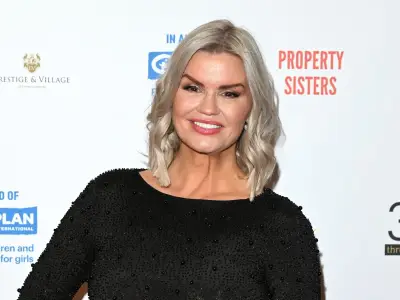
Notably, the majority of the criticism came from women, as did the defensive responses insisting Ward was 'still beautiful'. This focus on looks, rather than her business venture, highlights a persistent societal fixation on female appearance. Broadcasters Vanessa Feltz and Lizzie Cundy later admitted their own shocked reactions on Channel Five, with Feltz saying she expected Ward to have 'made every effort on earth to hang on to that appearance'. Both acknowledged their internalised misogyny.
The backlash against Feltz and Cundy also came primarily from women, with comments like 'What does Vanessa think she looks like?' and 'Neither presenter is exactly an oil painting'. This pattern of women criticising women for their looks, regardless of whether they embrace ageing or cosmetic enhancements, is exhausting and counterproductive. As one TikToker noted, 'It is a privilege to grow old! Some do not have that choice!'
Research suggests women judge each other more harshly than men do, possibly due to societal conditioning that equates female worth with beauty. A 2013 study found women shun those perceived as sexually promiscuous, while men show less concern. This tendency to close ranks when feeling threatened may explain the quickness to criticise. Ultimately, the debate underscores the need to move beyond appearance and recognise the value of women beyond their looks.