The Melbourne Cup, Australia's most famous horse race, is facing a growing crisis as concerns over animal welfare drive celebrities and the public away. Organisers are caught between upholding tradition and maintaining public support, with recent footage of racehorses being sent to slaughterhouses serving as a potential tipping point.
High-profile withdrawals include pop star Taylor Swift, who pulled out in September following a fan campaign, replaced by Anthony Callea, who pledged his fee to a horse welfare charity. Supermodel Megan Gale, a decade-long fixture and brand ambassador for major sponsor Lexus, has also said she will not attend due to animal cruelty concerns. Several companies have cancelled their annual Melbourne Cup lunches.
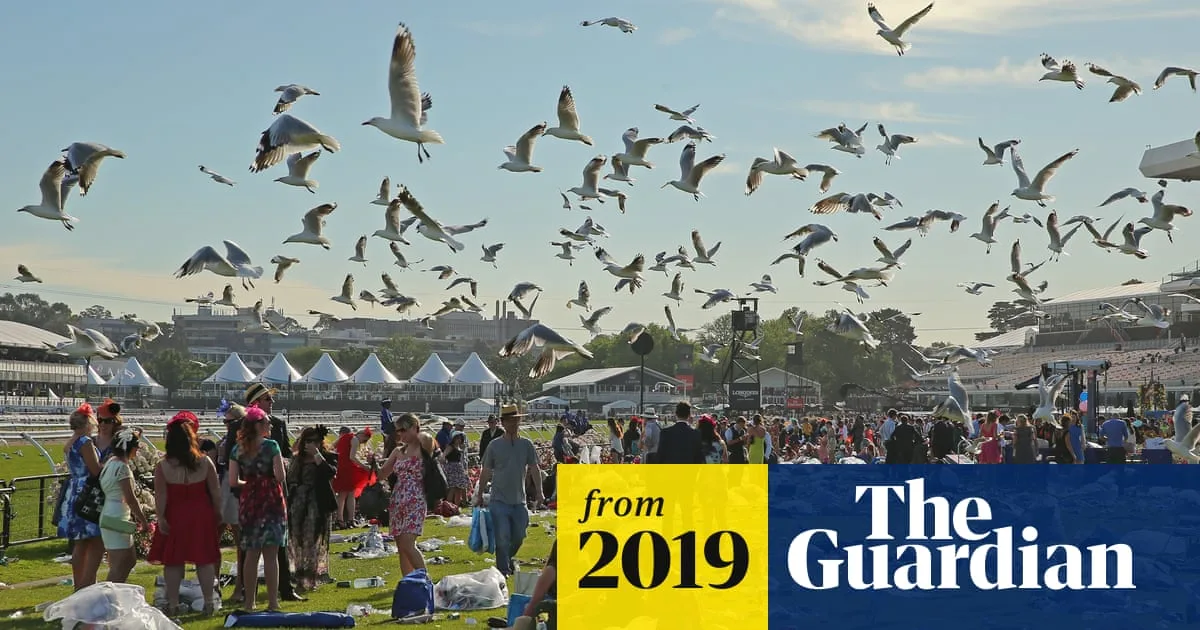
Public sentiment appears to be shifting. Guardian Australia spoke to dozens of people, many previously neutral or mildly positive, who plan to boycott office sweepstakes this year. Some are appalled by scenes of revellers vomiting, while others say they will not return until the industry submits to independent, robust regulation. One woman described her dilemma over supporting the race to honour her dying father's wishes versus her ethical concerns.
The race has long held a special place in Australian culture. First run in 1861, it was a handicap race that appealed to egalitarian values, according to racing historian Wayne Peake. Historian Richard Waterhouse notes it reflected the high-risk, high-reward ethos of the gold rush era. However, University of Sydney professor Carole Cusack, who once called attending the race a 'secular pilgrimage,' now sees it as problematic, citing six horse deaths since 2013.
The industry faces mounting pressure to address welfare concerns, but bookmakers are also worried, reportedly saying it will be 'too hard to make money this year' as interest shifts to other sports. The Melbourne Cup is no longer just a horse race; it is a national symbol whose future depends on adapting to changing values.