Louis Theroux Admits Career Consequences of Jimmy Savile Documentary
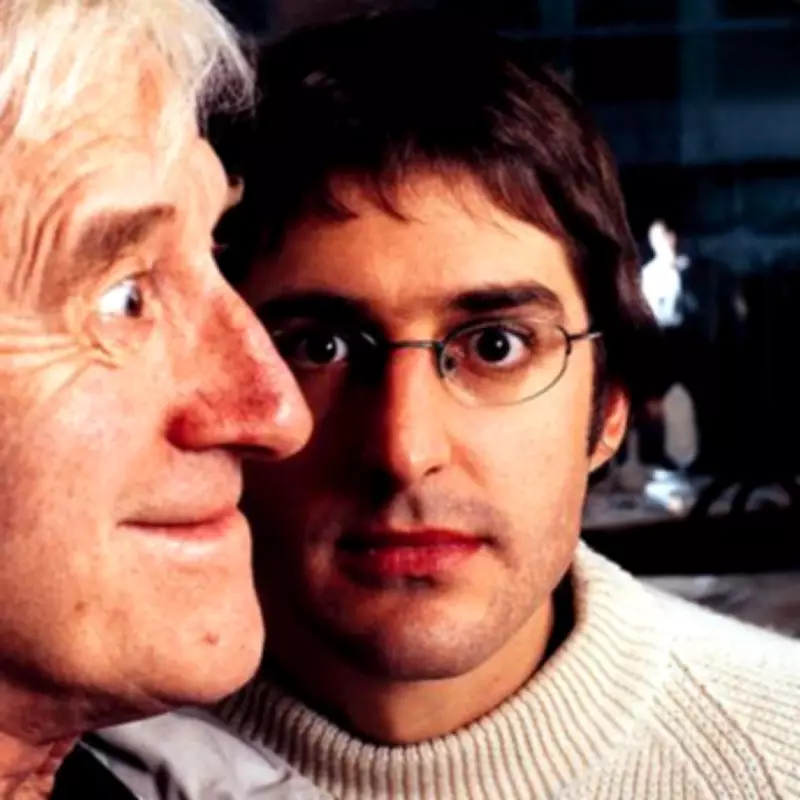
Renowned BBC broadcaster Louis Theroux has publicly acknowledged the detrimental effect his infamous 2000 interview with Jimmy Savile had on his professional trajectory. The documentary, titled When Louis Met... Jimmy, featured Theroux questioning Savile about persistent allegations of sexual misconduct that had shadowed the presenter for decades.
The Dark Legacy of Jimmy Savile
Jimmy Savile, who died in 2011 at age 84, was posthumously revealed to be one of Britain's most prolific sexual predators. A comprehensive report by the NSPCC and Metropolitan Police, Giving Victims A Voice, documented 450 complaints against Savile spanning from 1955 to 2009. These allegations involved victims ranging from eight to 47 years old, with nearly three-quarters being under 18 at the time of abuse.
The report recorded 214 criminal offences across 28 police forces, including 34 rapes. Among the victims were 28 children under ten years old, including ten eight-year-old boys, and 63 girls aged 13-16. Despite police reports dating back to 1958, insufficient evidence prevented charges during Savile's lifetime.

Theroux's Chilling Exchange with Savile
During their 2000 encounter, Theroux directly confronted Savile about rumors concerning his interest in children. In a particularly unsettling response, Savile stated: "How do they know whether I am not? How does anybody know whether I am? Nobody knows whether I am or not. I know I'm not... That's my policy and it's worked a dream."
Theroux later revealed he attempted to report Savile for abuse in 2001 after a woman came forward claiming she had been Savile's girlfriend at age 15. However, this report was not pursued by authorities.
Career Fallout for Theroux
Speaking on the Table Manners podcast with Jessie Ware and her mother Lennie, Theroux explained how the Savile documentary created professional obstacles. "It became almost like a brand of being washed up," he confessed, noting that many celebrities and their agents became reluctant to participate in his projects.
Theroux elaborated: "Who wants to be like, 'Well we've done Jimmy Savile and we've done Paul Daniels, so we'd love to do you.' And I remember one or two of the celebrity's agents were like, 'That's not a very nice thing to be asked.'"
The broadcaster described how reality television programs like Strictly Come Dancing, I'm a Celebrity, and Big Brother offered celebrities alternative platforms where they wouldn't face the same level of probing questioning. "When reality TV came along and celebrities realised they could appear on things and they didn't have to tolerate a BBC Inquisitor being impertinent then quite clearly, they would choose to do that," he observed.
Long-Term Professional Impact
Theroux revealed that following the Savile documentary, he primarily interviewed figures "on the downside of their careers," including magician Paul Daniels and his wife Debbie McGee, and politicians Neil and Christine Hamilton. He spent years trying to rebuild his reputation, emphasizing: "I feel like it was a long road of trying to show people that I wasn't just out to get them, that I was up for having conversations that felt fair and humane."
The documentary maker stressed his commitment to truthful journalism, stating his aim was "not to show people up, but to absolutely just tell the truth in a way that might not be necessarily prohibitive."
Savile's Final Years and Legacy
In his final days, Savile was quoted saying: "So many women, so little time" and "I've got a bounce back-ability, but this time I don't seem to be bouncing back." His coffin was buried at a 45-degree angle to provide "a view of the sea," but his headstone was removed after his crimes became public knowledge. The gravestone eventually bore the inscription: "It was good while it lasted."
Theroux's candid revelation highlights the complex professional and ethical challenges faced by journalists investigating controversial figures, and the lasting consequences such investigations can have on their careers.