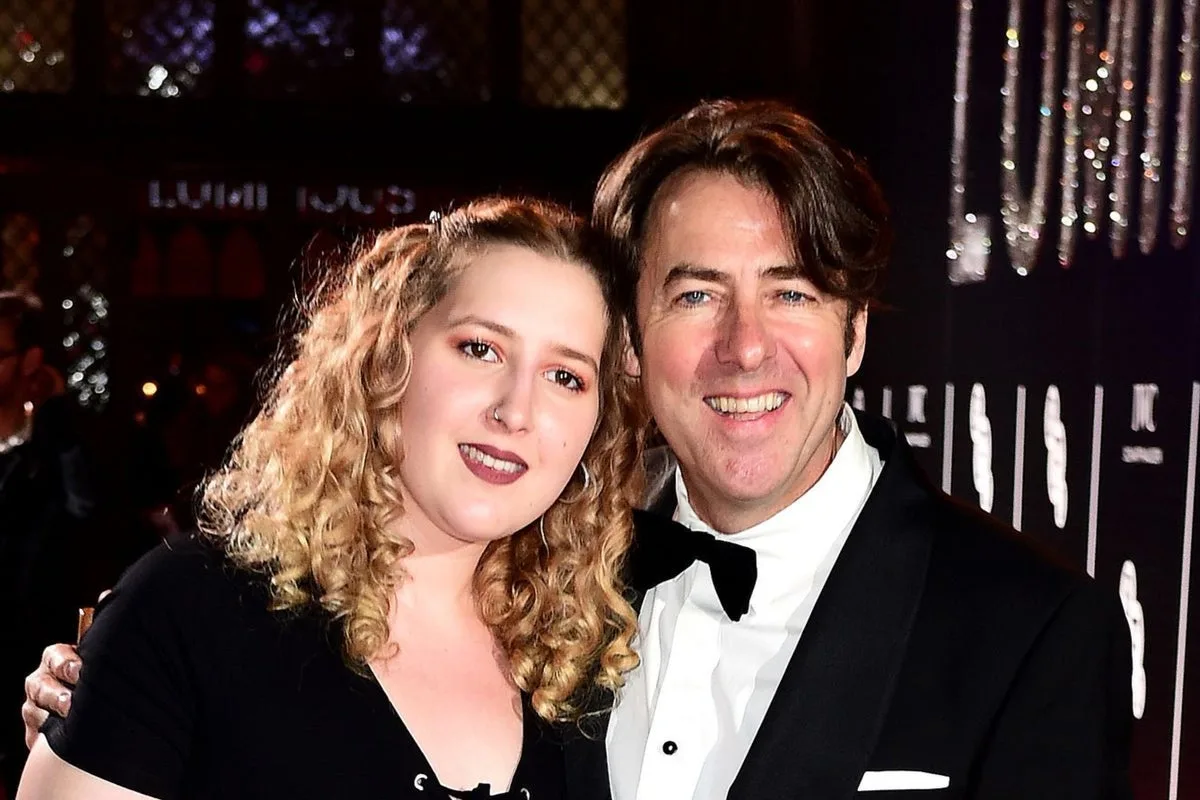
The Ross family has once again captured public attention, not just for their professional achievements, but for their remarkably candid and varied journeys towards health and body confidence. This week, screenwriter Jane Goldman, 55, turned heads on the red carpet showcasing a noticeably slimmer figure alongside her husband, presenter Jonathan Ross, 65. However, this is merely the latest chapter in a long family narrative that spans strict dieting, lifestyle overhauls, and a powerful embrace of body positivity.
From Liquid Meals to Sustainable Living: Jonathan and Jane's Diet Evolution
Jonathan Ross has been transparent about experimenting with numerous diets over the years to manage his weight. His most drastic measure saw him shed an impressive 14 pounds in just four weeks by adopting a liquid-only diet. He described the convenience of this approach, quipping about starting his day with a chocolate milkshake. In recent years, however, his focus has shifted towards sustainability. Together with Jane, he has adopted a vegan and teetotal lifestyle, a decision he attributes to having enjoyed "enough great food" in his lifetime.
Despite this, Jonathan refuses to be a "poster boy" for veganism, admitting to occasional cravings and accidental slip-ups. His weight management toolkit has also included popular plans like Atkins and Keto. He once revealed losing nearly two stone on the Keto diet, a regimen he researched on Reddit that emphasises meat, fish, eggs, and cheese while cutting carbohydrates. "You can have a Nando's but you can't have any chips," he famously noted during a television appearance in 2015.
Jane Goldman, the acclaimed writer behind films like 'Kick-Ass' and 'Kingsman', has been the driving force behind many of their joint dietary shifts. Reports suggest she lost around three stone on a version of the Atkins diet approximately 15 years ago. Despite their efforts to stay healthy, Jane has consistently pushed back against societal pressure to be thin. In a 2008 interview, she stated, "We have both had periods when we got absolutely huge because we love food. We are pretty relaxed about it and feel strongly about the negative pressure to be thin."
Her distinctive style, often inspired by comics and sci-fi, is also a conscious rejection of conventional beauty standards. She views her bold fashion choices as a way of "opting out" of being judged against society's narrow ideals.
Honey Kinney's Journey: From Toxic Diet Culture to Body Positivity Advocate
The couple's youngest daughter, Honey Kinney, 28, represents a different, more modern arc in the family's story. Now a prominent body confidence advocate on social media, Honey's path was forged through childhood struggles with weight and self-image. She recalls developing insecurities as early as age seven, noticing "soft little rolls" that mannequins lacked. Well-meaning attempts by her parents to help included bribes for exercise, banning certain foods, and even suggesting Weight Watchers when she was just 12.
At 14, she requested a personal trainer for her birthday and maintained an obsessive food diary. By 17, she joined her parents on the Keto diet. However, a pivotal moment came when she discovered images of "gorgeous, confident, stylish, fat women" online. This sparked an awakening, leading her to decide to change her mindset rather than her body. She now proudly identifies as a size-18 woman who loves her body, posting celebratory images online to expand plus-size representation.
"Fat is not a feeling," Honey asserts. "I regret the time I wasted hating myself. I had been sold a scam." She acknowledges that her parents, raised in the same diet-obsessed culture, were trying to solve a problem she presented them with. In 2020, she described the diets they presented as "absolutely toxic," urging other parents not to shame their children. However, she has since clarified her comments, praising her "wonderful" father for his support in helping her become happy with her body.
A Family United by Candidness and Support
Despite their different approaches, a thread of mutual support and candidness runs through the Ross family. Jonathan has passionately declared that Jane is his "ideal, whatever way she is." He also addressed the narrative around Honey's teenage years, explaining that they took "our cues from Honey" and supported her immediately when she wanted to stop dieting. The family's story is not one of uniform transformation, but of individual journeys towards health and happiness, navigated in the relentless glare of the public eye.
From Jonathan's pragmatic liquid diets and sustainable veganism, to Jane's diet experiments coupled with a rejection of thinness pressure, to Honey's radical embrace of body positivity, the Ross family encapsulates the evolving conversation around weight, health, and self-acceptance in the UK today. Their experiences highlight the potential pitfalls of diet culture and the liberating power of defining health and beauty on one's own terms.