Former BBC Anchor Polly Evans Reveals Devastating Identity Crisis After Voice Disorder Diagnosis
Former BBC News anchor Polly Evans has delivered a powerful and emotional account of how her high-profile broadcasting career became her entire identity before she was forced to leave television screens permanently following a life-changing neurological diagnosis.
A Decade-Long Career Cut Short
The journalist, who served as the familiar face of BBC South East Today for over a decade alongside co-host Rob Smith, experienced a sudden and dramatic end to her on-air career during a 2017 bulletin when she completely lost her voice while presenting. This marked her final appearance on television, though she didn't realise it at the time.
Following months of extensive hospital visits and medical investigations, Evans received the diagnosis of Spasmodic Dysphonia (SD), a neurological condition also known as laryngeal dystonia. This disorder causes involuntary muscle spasms in the voice box, resulting in a strained, tight voice with frequent breaks that made professional broadcasting impossible.

The Psychological Impact of Career Loss
In a revealing new interview on Ready To Talk with Emma Barnett, Evans shared the profound psychological impact of her career ending so abruptly. "It had become my identity," she confessed, "which I hadn't realised that I had made that job such a huge part of my identity."
She elaborated on how her professional role had defined her completely: "You do because you're a BBC broadcaster, you're a BBC journalist and it's something you're really proud of and you're proud of telling people that's what you do and you love it, you love the role. It's a high status role, people take you seriously and literally all of that came to an end and I was not ready to let go of that."
The former presenter described facing an existential void after her diagnosis: "I hadn't appreciated how much of my identity was wrapped up in it and how much I would be staring into an abyss and thinking what on earth to do next after that happened."
Therapeutic Journey to Rediscovery
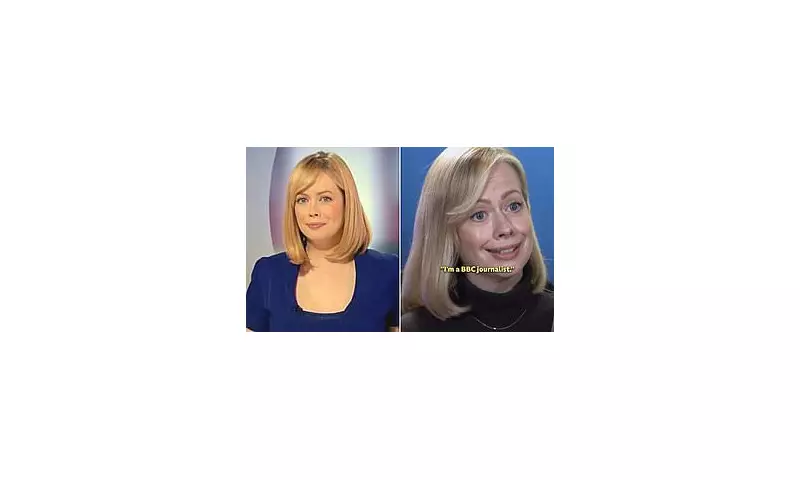
Evans revealed how psychotherapy became crucial in helping her rebuild her sense of self after losing her broadcasting career. During one particularly revealing session, her therapist asked her to define who she was, to which her immediate instinct was to respond "I'm a BBC journalist."
When challenged about this identity, Evans realised she could no longer claim that professional title. "So she said 'tell me who you are' and I said 'I don't know' and I had to think really hard outside of that about who I was and who I'd become," she explained.
This therapeutic process led to a significant realisation: "I'd realised that everything I had built was about external evaluation and I hadn't been listening to that internal voice about what do I really want? And also that internal voice tells you when it's time to take a break and I hadn't listened to that either."
The Final Broadcast and Ongoing Treatment
Recalling her last television appearance, Evans described how co-presenter Rob Smith had to take over most of the script as she struggled to speak. She walked off set that evening with the devastating realisation that "that's the last time I'll present."
While Evans now receives Botox injections into her vocal cords every four to five months to help manage her condition, she acknowledges that a return to broadcasting remains impossible. "Because my voice is really inconsistent and even with the Botox, it works really well and I almost convince myself that it might not come back," she explained, describing the "cruel trick" of temporary improvement followed by regression.
Transition and Reflection
After initially leaving her presenting role, Evans continued working with the BBC in an off-screen capacity as an output producer before finally departing the corporation in 2019. This transition proved particularly difficult as she watched someone else occupy her former position.

"It was devastating watching someone else in that chair when I was really not ready to process the fact that I couldn't do it anymore," she admitted. "I think I was in survival mode trying to find solutions that meant I wouldn't immediately lose my job."
Evans's story highlights the profound psychological challenges faced by professionals whose identities become inextricably linked to their careers, particularly when those careers end suddenly due to circumstances beyond their control. Her journey from BBC presenter to someone rebuilding her identity offers a powerful narrative about resilience, adaptation, and the complex relationship between professional and personal identity in high-pressure media roles.