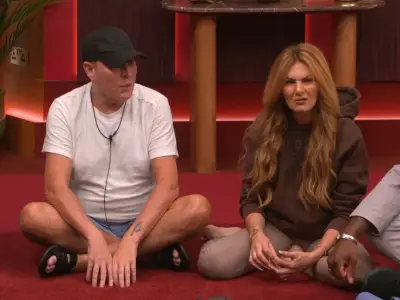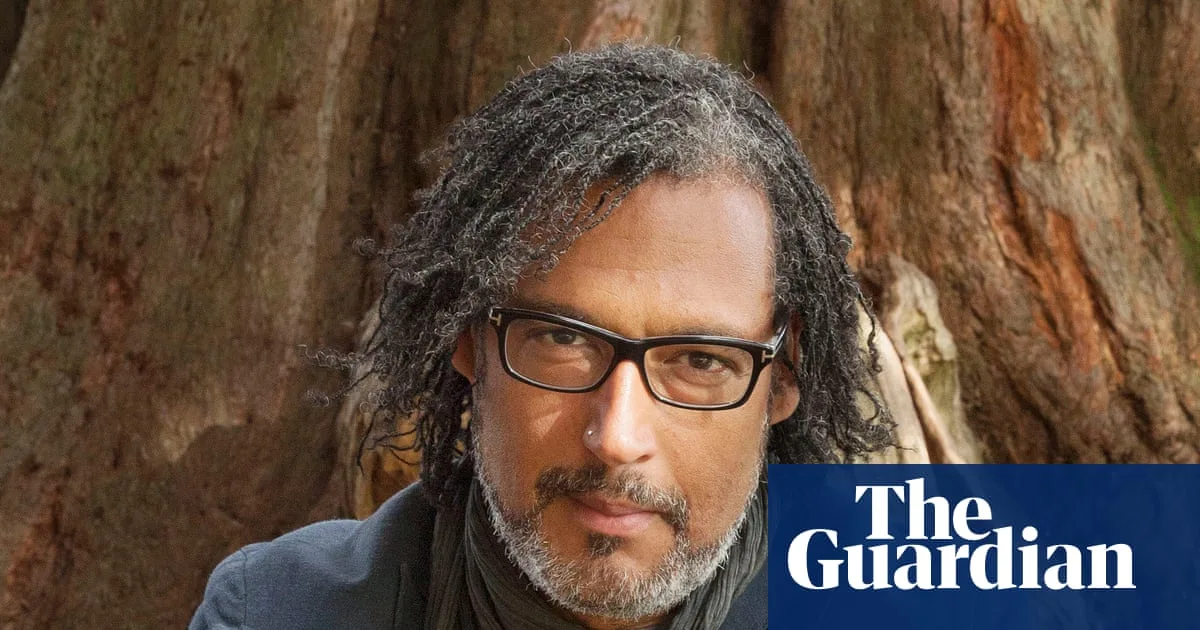
Historian David Olusoga has drawn parallels between the difficulty of identifying Traitors on the BBC show and historical witch hunts, including the Salem witch trials and the Spanish Inquisition. Speaking at the Hay festival, Olusoga, who appeared on the celebrity edition of the programme, said the roundtable discussions were “frightening” because of the speed at which suspicion turned into conviction.
“It’s at the heart of what happens in Stalin’s Russia, I think it’s at the heart of what happens in the Salem witch trials at the end of the 17th century, of the Spanish inquisition,” he said. Olusoga highlighted the role of denouncement, noting that a confident voice starting a rumour could sway the group, much like the Gestapo’s reliance on tip-offs rather than surveillance.
Fellow contestant Clare Balding agreed, describing the “wave” of accusation that was impossible to fight. Olusoga compared this to Russian show trials, where defendants shrank rather than protested their innocence. Balding admitted she was “possibly too polite” and noted that deflection, as used by politicians, was an effective defence.
Balding also revealed that a group of strong-minded women, including herself, Charlotte Church, and Paloma Faith, formed during the show, but a Traitor likely targeted them. “It goes back to people being identified as witches back in the day – women who know their own mind and will say it,” she said.