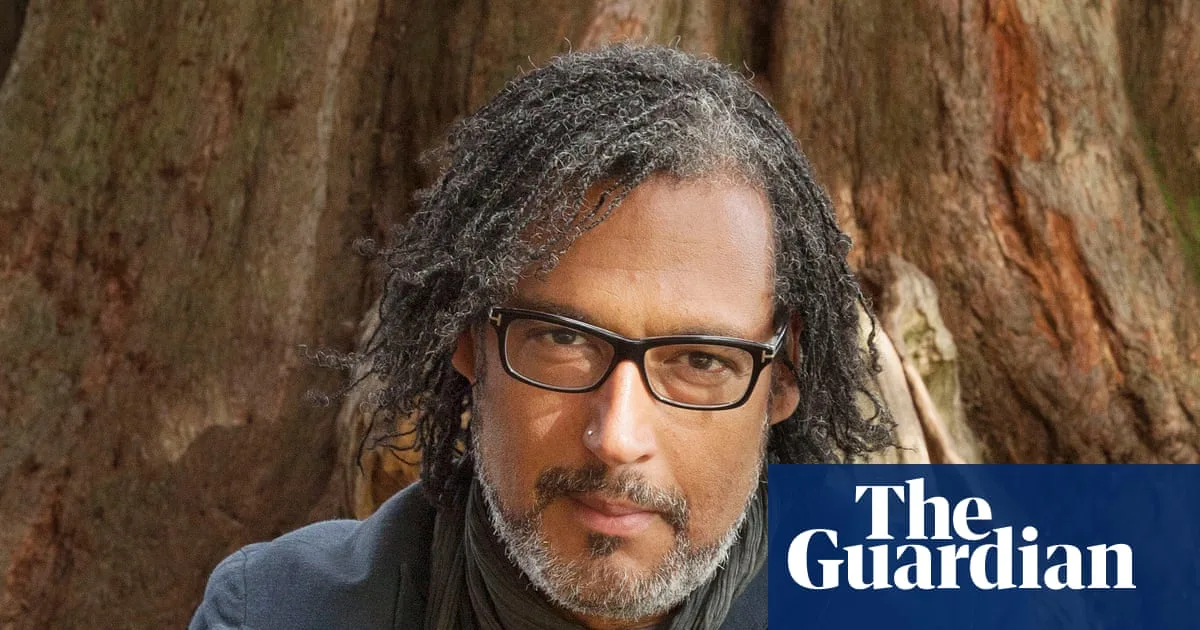
Historian and broadcaster David Olusoga has suggested that historical events such as the Salem witch trials and the Spanish Inquisition can help explain why Faithfuls on the BBC show 'Celebrity Traitors' struggled to identify the real Traitors. Olusoga, a contestant on the show, spoke about the phenomenon at the Hay Festival on Tuesday alongside fellow cast members Clare Balding and Harriet Tyce.
Olusoga described the roundtable discussions, where contestants vote on who to banish, as 'frightening' due to the 'velocity in which something goes from a suspicion to belief, to faith, to condemnation'. He drew parallels to historical witch hunts, Stalinist Russia, and the Spanish Inquisition, noting that denouncement often starts with a confident voice spreading a rumour.
He highlighted the 'myth' of the Gestapo, explaining that arrests were often initiated by members of the public reporting suspicions, not by surveillance. 'It was somebody saying, “I think it’s them, I heard them”,' he said, describing how a rumour can snowball into an official process.
Balding agreed, noting that she could 'feel the wave coming towards you' during the roundtable. Olusoga compared this to footage of Russian show trials, where accused individuals 'go silent, they shrink' rather than protesting their innocence. He admitted that the Faithfuls did not make strong defence cases.
Balding added that she was 'possibly too polite' at the roundtable and that 'deflection is a really effective mechanism of defence', a tactic often used by politicians. She also noted that a group of strong-minded women, including herself, Charlotte Church, Ruth Codd, Paloma Faith, and Olusoga, began to form, but a Traitor likely targeted them. 'It goes back to people being identified as witches back in the day – women who know their own mind,' she said.