Chloe Madeley Condemns Jameela Jamil's BAFTA Body Comments as 'Deeply Misguided'
TV personality Chloe Madeley has launched a robust counter-attack against actress and activist Jameela Jamil's recent social media critique of female attendees at the BAFTA Awards, branding her feminist perspective as "deeply misguided" and accusing her of making a "thinly veiled dig" at women who are naturally slim.
The Initial Controversy: Jamil's 'Scarily Thin' Remarks
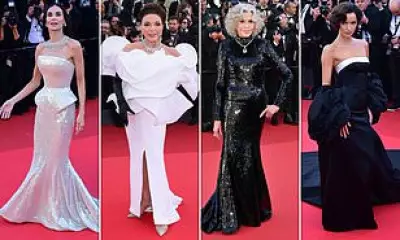
The dispute ignited on Tuesday when Jameela Jamil, aged 40, took to Instagram to express her concerns about the appearance of women at Sunday's prestigious BAFTA ceremony. In a passionate post, Jamil described the female attendees as "scarily thin" and criticised what she perceives as a harmful beauty standard being propagated by the entertainment industry.
Jamil, known for her advocacy against rigid beauty norms and patriarchal structures, wrote: "I resent this beauty standard being pushed on everyone, I resent the obedience of my industry, and fear the impact on impressionable people at home thinking that this is the only way to be accepted." She further argued that this trend towards frailty is politically motivated, stating: "There is a deliberate POLITICAL reason behind wanting women and girls to be frail, hungry tired and easy to hurt."

Madeley's Forceful Rebuttal on Instagram
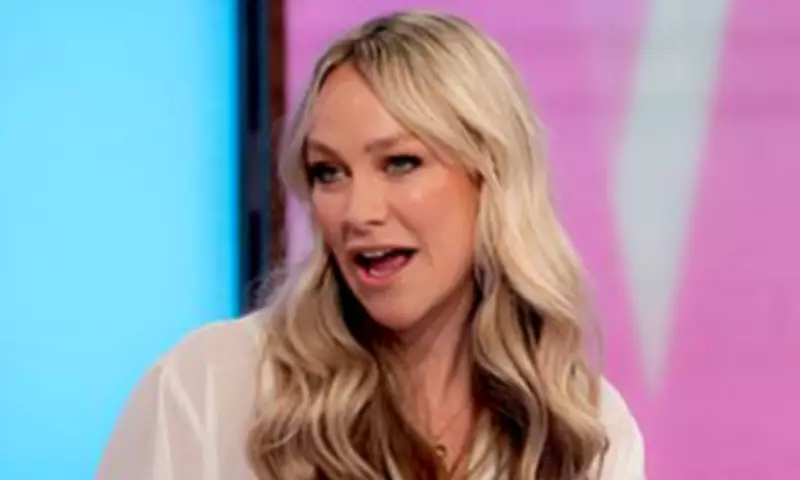
Chloe Madeley, the 38-year-old daughter of television presenters Richard Madeley and Judy Finnigan, responded decisively on her Instagram Story the following day. She directly challenged Jamil's assertions, questioning her feminist credentials and the underlying message of her comments.
In her first post, Madeley wrote: "Imagine being so full of yourself and your feminist views that you publicly determine another woman's body size as a deliberate bend to the patriarchy. The woman doing this does not read as feminist to me. At all. AT ALL."
Madeley proceeded to dissect specific elements of Jamil's lengthy statement, sharing excerpts and offering her pointed critiques. When referencing Jamil's call for collective resistance—"If we all collectively refused to starve ourselves, they would have to bend to us"—Madeley responded with scepticism, simply commenting: "What? Love the sentiment but no."
Clashing Perspectives on Body Positivity and Strength
The core of the disagreement centres on differing interpretations of body positivity, strength, and feminist action. Jamil's post urged women to prioritise physical strength, writing: "Be whatever size you wish but please try to be as strong as you physically can. Please be difficult to steal, to beat, to break." She framed this as a necessary response to a "war on women," adding: "The war on women requires fighters. The ones coming to protect us, we now know statistically, will sadly not be men."
Madeley, however, interpreted this as contradictory and exclusionary. She retorted: "'Be whatever size you wish UNLESS you're slim, because then you're bending and you're causing a problem for our daughters. BTW I'm an advocate of the body positive movement and how dare you comment on our size!'" She further dismissed the link between physical size and patriarchal resistance, stating: "Love the sentiment but women's physical strength and size isn't going to end the patriarchy."
Broader Context and Industry Implications
This public spat highlights the ongoing, complex debate within feminism and the entertainment industry regarding body image, autonomy, and representation. Jamil's comments were partly prompted by fan speculation about actress Emma Stone's appearance at the awards, underscoring how public figures' bodies remain under intense scrutiny.
Jamil concluded her original post with a call to action: "If we all collectively refused to starve ourselves, they would have to bend to us. But we *rush* to bend first, at any cost to our mental and physical health, and that of the next generation watching."

Madeley's final assessment was unequivocal: "This is just a thinly veiled dig at another woman's body size all in the name of (deeply misguided) feminism." The exchange has sparked significant discussion online about the boundaries of body-positive advocacy and the appropriateness of public commentary on women's physiques, regardless of intent.