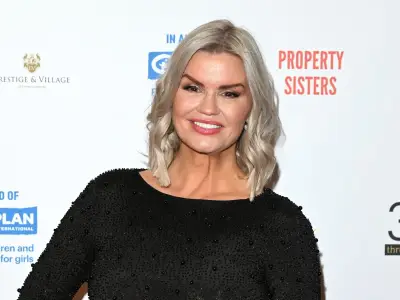
Brittany Taylor, a 29-year-old autistic model who was crowned Playmate of the Decade by Playboy magazine, has opened up about overcoming years of bullying and self-doubt to achieve success in the entertainment industry.
Speaking exclusively with the Daily Record, Taylor described how she felt different growing up and later received an autism diagnosis that brought clarity and self-acceptance. "Receiving my autism diagnosis later in life gave me answers to questions I'd carried for years. It helped me understand that the things I once saw as flaws were actually part of how my brain works," she said.
Bullying Continued Into Adulthood
Taylor, who has 250,000 Instagram followers, revealed that bullying did not end after school. She faced cruel remarks from ex-partners and other adults, including being told she was "worthless" and mocked for traits linked to autism. "I was told 'I couldn't read a room' or 'lazy' and treated my differences as something to laugh at instead of trying to understand them," she explained.
These experiences deeply affected her mental health, making her question her worth and intelligence. However, she refused to let the rejection stand in the way of her modelling career.
Challenges in the Entertainment Industry
Taylor acknowledged that working in entertainment while autistic can be exhausting due to the constant travel, social events, and pressure to maintain an image. "People often only see the finished photos or red carpet moments. They don't see the long hours, constant travel, rejection, pressure to maintain an image, or the mental exhaustion that can come with networking and social events," she said.
She also noted that relationships can be challenging, as communication styles and emotional needs differ. "I value honesty, consistency and clear communication because those things help me feel safe and secure in a relationship," she added.
Advice for Others
Taylor urged others with disabilities to share their stories when ready. "Share it when you feel safe and ready. The right person won't see your autism as a flaw. They'll simply see it as part of who you are," she said. She emphasized that being different is not something to be ashamed of, and that qualities that make one feel like they don't fit in can become strengths.
According to VeryWell Health, up to 80% of autistic women remain undiagnosed by age 18. Taylor hopes her story encourages understanding and reduces judgment. "If my story helps even one person feel less alone or encourages someone to think twice before judging another person, then being open about what I've been through will have been worth it," she concluded.