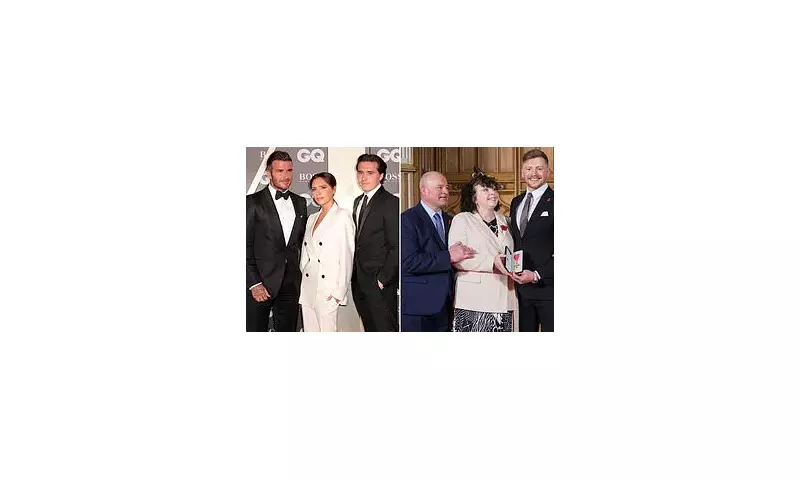
Brooklyn Beckham's Instagram Outburst Highlights Troubling Family Estrangement Trend
Brooklyn Beckham's petulant Instagram post last week, which publicly condemned his parents and captivated global attention, has illuminated a growing and deeply troubling social phenomenon. Increasing numbers of adult children are choosing to cut off contact with their families, often doing so publicly and at significant emotional cost to all parties involved.
Celebrity Estrangements Mirror Wider Social Pattern
Beyond Brooklyn Beckham, numerous high-profile figures including Jennifer Aniston, Angelina Jolie, Meghan Markle, Home Alone actor Macaulay Culkin and Olympic swimmer Adam Peaty have all publicly disowned one or both parents. This pattern extends far beyond celebrity circles, with countless ordinary individuals opting for similar family ruptures.
Having spent three decades working as a psychotherapist, I have observed that these schisms are frequently initiated by comfortably-off young adults who have enjoyed considerable privilege throughout their lives. Their moods were consistently respected, their failures gently explained, and their requests taken seriously. They received endless reassurance about their brilliance, lovability and inevitable success in any endeavour.

The Psychology Behind Parental Rejection
Why would individuals raised with such advantages reject the well-meaning people who raised them? The answer often lies in parental guilt – whether stemming from long working hours, divorce, or perceived failures to meet impossible standards of parental perfection.
This guilt frequently undermines parents' moral authority to establish boundaries or criticise their children's behaviour. Feeling at some deep level that their own flawed lives were damaging their offspring, these parents offer relentless affirmation as compensation, inadvertently raising what might be termed 'bratults' – adults who behave like spoiled children.
Brooklyn Beckham articulated this perspective in his six-page statement, declaring: 'I have been controlled by my parents for most of my life. I grew up with overwhelming anxiety.' Similarly, Adam Peaty disowned his parents and excluded them from his wedding last month.
The Reality Check of Adulthood
In adulthood, these individuals experience rude awakenings: relationships require compromise; workplaces demand patience and focus; adult feuds and tantrums are neither forgiven nor excused. Suddenly thrust into a world that doesn't find their petulance charming, they search for someone to blame.
While private circumstances in cases like Meghan Markle's complicated relationship with her ailing father or Adam Peaty's wedding exclusion may involve complexities unknown to the public, a troubling pattern emerges. Children fortunate enough to be coddled and nurtured often later reframe this care as stifling or controlling behaviour.
Clinical Cases Reveal Contrasting Realities
Consider two contrasting cases from my practice. A sixteen-year-old girl from an affluent family attempted suicide, explaining that at her private school, girls 'competed to outdo each other in victimhood.' Her suicide attempt was designed to secure attention and sympathy while deflecting academic pressure. Her mother, typically, was distraught, wrongly believing she had caused her daughter's actions.
Contrast this with a working-class girl whose presenting problem was family upset over her desire for a large Christian wedding despite her Jewish background. During therapy, she revealed years of sexual abuse by her stepfather, with her mother's knowledge. When she became pregnant by her stepfather at fourteen, her mother arranged an abortion rather than contacting authorities.
Remarkably, this client showed no rage toward her mother, understanding that informing authorities might have prompted her stepfather's revenge. Her desire for a church wedding symbolised a chaste new beginning. Imagine how such genuine trauma compares with the grievances of social media 'princelings' cutting off contact over perceived slights.

Reframing Childhood Through Adult Lenses
Another case involved a middle-class woman whose father was frequently hospitalised with mental illness. Despite her mother spending all available time with her – collecting her from school, cooking meals, attending to her daily needs and moods – the daughter began viewing her mother as neglectful.
Her mother worked out of financial necessity due to her husband's inability to provide support, yet the daughter reinterpreted this as evidence of distance and self-interest. Influenced by middle-class friends who spent hours dissecting parental faults, she constructed a narrative of emotional abuse that garnered sympathy and inclusion within her social circle.
She eventually reached a point where she could barely look at her mother, convinced that cutting contact was essential for her emotional stability. She interpreted her mother's shock and grief at this rejection as further evidence of lacking empathy, remaining impervious to therapeutic intervention.
Family Dynamics and Perceived Injustice
A final example involves an affluent family with two loving parents and three daughters, one of whom suffered serious brain damage at birth. All children received substantial financial, emotional and psychological support, yet the two healthy sisters believed their parents devoted excessive resources to their disabled sibling.
When their father became seriously ill and heavily medicated in hospital, they attempted to pressure him into changing his will in a manner that would have left their mother financially vulnerable. Upon his refusal, they severed all contact.
Understanding the Modern Estrangement Epidemic
A deluded sense of entitlement, questionable mental health professional collusion, social media influences and fundamental misunderstandings about human relationships are combining to damage the most precious bonds – those between parents and children.
Brooklyn Beckham, born into extraordinary privilege, will certainly not be the last to turn so viciously against the parents who raised him, offered him the world, and undoubtedly wanted only the best for him. This growing phenomenon demands serious societal reflection about how we raise children and prepare them for the complex realities of adult relationships.