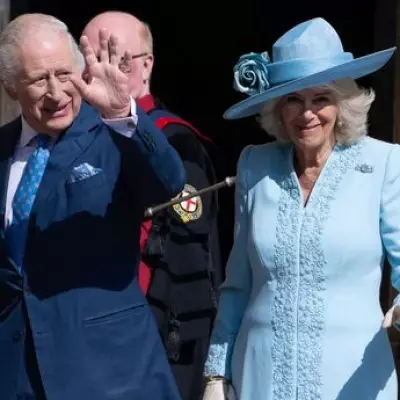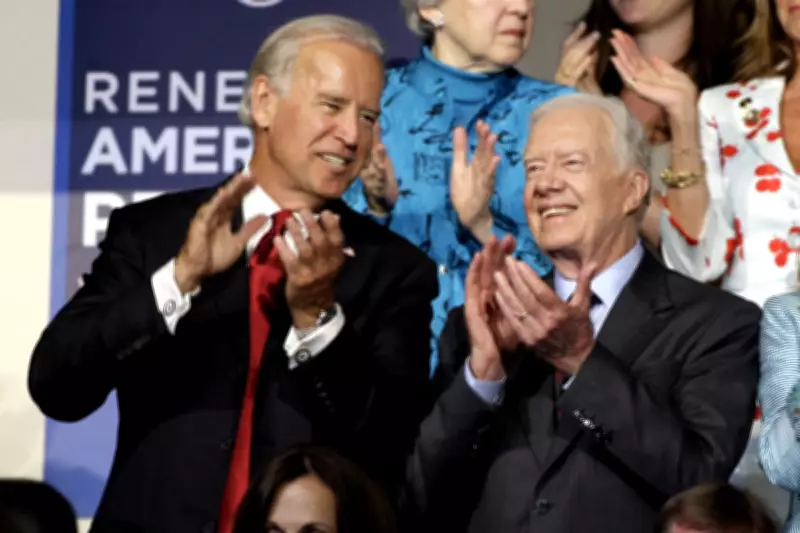
A pair of chairs, which became internet-famous after featuring in a viral 2021 photograph of Joe and Jill Biden with Jimmy and Rosalynn Carter, have been auctioned for a substantial sum of nearly $11,000. The sale took place at Christie's auction house, attracting significant attention due to the chairs' unique place in modern political and pop culture history.
The Viral Photo and Its Humorous Legacy
The chairs gained widespread notoriety from a photo that captured the Bidens and Carters together, but with a distorted perspective that made the Bidens appear notably larger than the Carters. This optical illusion sparked a wave of humorous speculation online, often referred to as 'Hobbit theories', where social media users joked about the size differences. Photography experts have since suggested that the unusual effect was likely caused by the use of a wide-angle lens in a confined space, a common technique that can exaggerate proportions.
Collector's Passion and Display Plans
The chairs were purchased by Susan Tane, an avid collector of presidential memorabilia, who plans to display them in her Manhattan apartment. Tane's acquisition highlights the growing market for items connected to contemporary political figures, blending historical significance with viral internet moments. Her collection aims to preserve and showcase pieces that reflect key events and personalities in American politics.

Charitable Contribution from the Sale
A portion of the auction proceeds will be donated to The Carter Center, a non-profit organisation founded by Jimmy and Rosalynn Carter. This charitable aspect was confirmed by their daughter, Amy Carter, adding a philanthropic dimension to the sale. The donation underscores the ongoing legacy of the Carters' humanitarian work, even as everyday items from their lives find new homes and purposes.
Broader Implications for Memorabilia Markets
This auction demonstrates how viral moments can transform ordinary objects into valuable collectibles, driving interest and high prices in the memorabilia market. It also reflects the intersection of politics, media, and commerce in the digital age, where a single image can create lasting cultural and financial value. As such events become more common, they may influence how historical artifacts are perceived and traded in the future.