Bear Grylls Reflects on Personal Tragedy and Survival
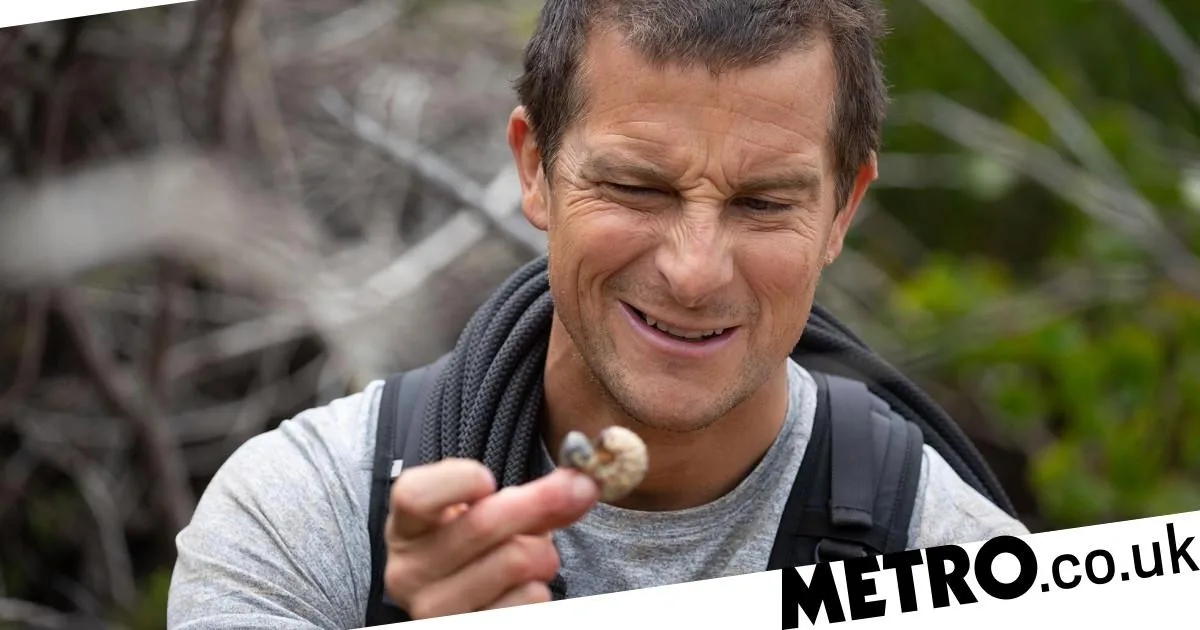
Outdoor adventurer and television personality Bear Grylls has shared profound insights into the personal hardships that have shaped his life, revealing how a devastating family loss and a near-fatal parachuting accident have influenced his journey. The former SAS trooper, known for his rugged survival shows, emphasises that connecting with nature and maintaining a strong religious faith have been crucial for his mental well-being during these challenging times.
The Heartbreaking Loss That 'Took Him to His Knees'
Bear Grylls described the death of his father, Sir Michael Grylls, from a heart attack at age 66 as the greatest grief he has ever experienced. In an interview with the i Paper, he admitted feeling "horrifically ill-prepared" and struggling profoundly with the loss. The tragedy was compounded by the fact that his wife, Shara, had lost her own father just ten weeks earlier, creating what he called a "crazy time" of uncertainty about life and the future.
Grylls explained: "It took me to my knees, to be honest. I felt pretty out of control and uncertain about life and my future." Despite this immense pain, he maintains that adversity is essential for personal growth, stating that "all the good things in life are on the other side of fear, failures, doubt and pain."
Overcoming Setbacks: From SAS Failure to Television Success
Bear Grylls' path to resilience began even before these personal tragedies. He revealed that he initially failed SAS Selection, admitting he wasn't "fit enough, strong enough, smart enough, or good enough" during his first attempt. Out of 120 candidates, only four typically complete the gruelling process, and Grylls fell short halfway through. However, his determination led him to try again, eventually serving with 21 SAS in the Territorial Army from 1994 to 1997.
His military career ended abruptly with a horrific free-fall parachuting accident over Zambia. When his parachute failed to deploy properly during a skydive, Grylls chose not to cut it and use his reserve, believing he had time to fix the issue. This decision resulted in a 16,000-foot fall, one of the highest survived without a functional parachute.
Miraculous Survival and Recovery
The accident left Grylls with three fractured vertebrae, but miraculously, his spinal cord remained intact. Doctors called him a "miracle man" given how close he came to severing it. Due to his age and fitness, he avoided surgery but faced a gruelling year of rehabilitation, including ten hours daily of physiotherapy, swimming, and ultrasound treatment.
Despite enduring "twinges and pains" in his back to this day, Grylls was determined to reclaim his active lifestyle. Remarkably, just eighteen months after the accident, he reached the summit of Mount Everest, becoming the youngest British citizen to achieve this feat at the time. This accomplishment led to a book publication in 2000, which subsequently launched his television career with popular series like Man vs Wild and Running Wild with Bear Grylls.
Through these experiences, Bear Grylls has demonstrated extraordinary resilience, transforming personal tragedy and physical trauma into a life of adventure and inspiration for millions worldwide.