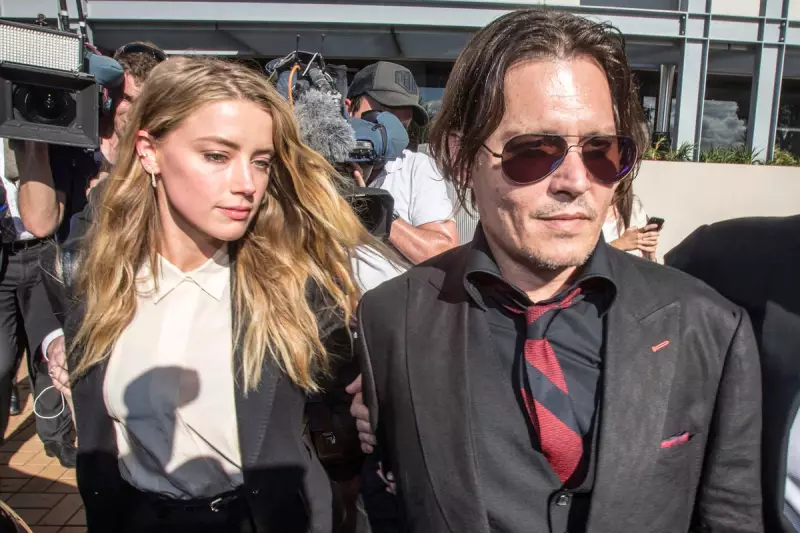
In a rare and poignant television appearance, actress Amber Heard has opened up about the profound personal consequences of her high-profile defamation trial against ex-husband Johnny Depp. The interview features in the new documentary Silenced, which premiered at the 2026 Sundance Film Festival, shedding light on the broader issue of how defamation laws can be weaponised against survivors of gender-based violence.
A Voice Silenced by Legal Battle
Heard, who lost the 2022 US defamation case to Depp, made a startling admission during the documentary, stating that she has 'lost her ability to speak' and no longer desires to use her voice to recount her own story. She emphasised that Silenced is 'not about me', but rather focuses on the work of international human rights lawyer Jennifer Robinson, who represented Heard in the 2018 UK trial. Robinson's legal efforts aim to challenge the misuse of defamation laws to suppress victims of gender violence, a theme central to the film.
Reflecting on Trials and Online Harassment
The actress reflected on the intense scrutiny and bullying she faced, particularly during the 2022 US trial, where she endured a severe online harassment campaign. Heard described the emotional toll of these experiences, highlighting how the public and digital backlash compounded the legal challenges. Despite this, she expressed resilience, drawing strength from others advocating for gender equality and hoping for a brighter future for her young daughter.

Life After the Verdict
Since the trial, Heard has relocated to Spain, where she has pursued theatre acting, seeking a fresh start away from the Hollywood spotlight. Her move signifies a step towards rebuilding her life and career in a new environment. The documentary captures this transition, portraying Heard's journey from a highly publicised legal defeat to a quieter, more reflective phase focused on personal growth and artistic expression.
Silenced not only documents Heard's personal narrative but also amplifies a critical conversation about justice, survivor advocacy, and the societal impacts of high-stakes legal battles. By sharing her story in this context, Heard contributes to a larger movement aimed at protecting and empowering those affected by similar struggles.