How a Carrot-Crazed Wombat Named Mothball Inspired a Global Bestseller
Wombat Mothball's Carrot Craze Sparks Bestselling Children's Book

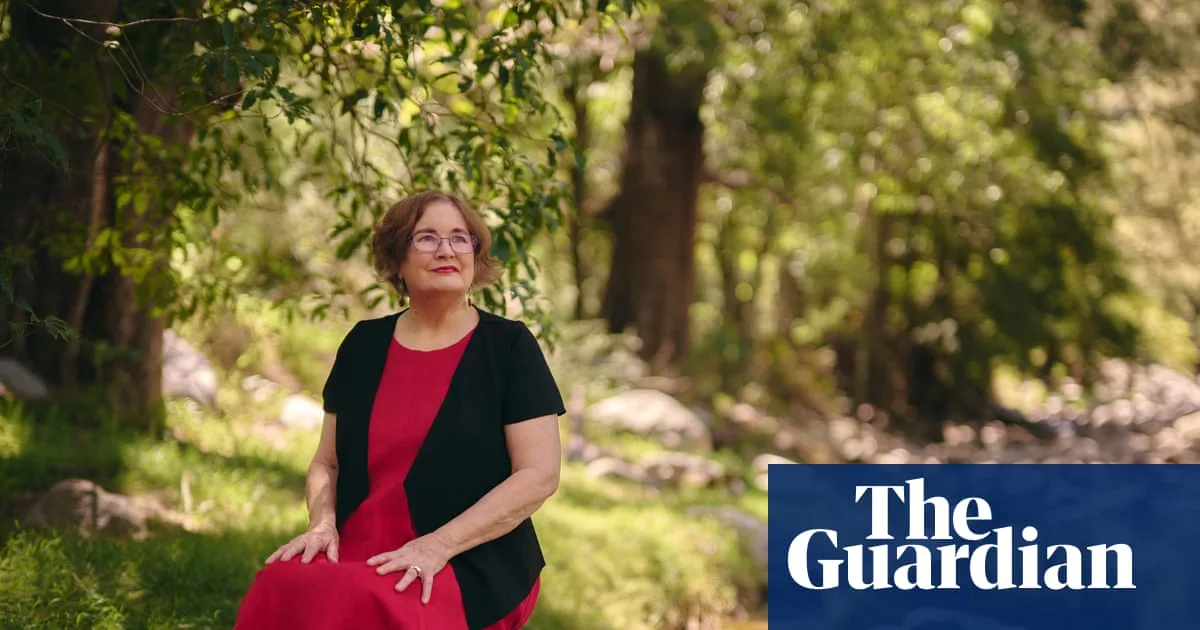
Australian author Jackie French has long been accustomed to the peculiar behaviours of wild animals, but nothing prepared her for a carrot-obsessed wombat with a penchant for destruction. This unlikely encounter sparked the creation of a bestseller that has captivated readers worldwide.

The Unlikely Friendship That Changed Everything

Nearly three decades ago, French met Mothball, a young wombat who had been rescued by Wires after a dog attack and hand-reared by humans. By this time, French had already spent twenty years living closely with wild animals in the Araluen Valley of New South Wales, earning their acceptance as a neighbour and even a friend.

Her first wombat companion was Smudge, who taught her the ways of the bush. "Wombats don't look at views. They smell them," French explains, noting their unique communication through scent. This deep immersion in the natural world, with minimal human contact, later enriched her historical fiction writing.

From Rescue to Rampage: Mothball's Arrival

Mothball was a round, brown, and seemingly cuddly creature who immediately displayed a fierce love for carrots. During a car journey, her craving led her to bite through her cage and leap onto French's lap, demanding carrots amidst peak-hour traffic. This dramatic introduction foreshadowed the chaos to come.

After settling into a burrow behind French's bathroom, Mothball eventually ventured into the bush. However, eighteen months later, during a severe drought, she returned with a vengeance. "Carrots!" became her nightly shriek as she tore through the household, destroying mops, doormats, garden chairs, and even clothing with relentless determination.

The Birth of a Literary Phenomenon

French's humorous descriptions of Mothball's antics to a friend revealed the potential for a story. "I realised I was describing the diary of a wombat," she recalls. Thus, Diary of a Wombat was conceived. Crafting a wombat-like narrative tone took three years, leveraging key words to mirror the animal's single-minded focus.

Initially, few believed in the book's appeal, especially overseas where wombats were unknown. Yet, with illustrator Bruce Whatley's ingenious artwork—turning black nights into white for visibility—the book defied expectations. It has since sold over a million copies in Australia alone, won approximately forty awards, and been translated into around thirty languages.

A Bond Beyond Servitude

French's relationship with Mothball deepened beyond that of a mere caretaker. One emotional moment revealed the wombat's sensitivity: when French spoke angrily, Mothball sniffed her mood, ignored offered carrots, and trudged away, demonstrating a genuine friendship. "I had hurt my friend," French reflects.

They lived together until Mothball's tragic death from trespassers, but her legacy endures. French still feels her presence during lectures and readings, sharing insights like the myth of square wombat droppings—"They can be, but only when their food is dry."

The Enduring Impact and Call to Action

Despite authoring numerous award-winning books, French is often dubbed "the wombat's mum." She humbly rejects this, viewing herself as a human privileged by wild acceptance. Her story underscores the mysteries of wombat communication through smell and unshared concepts.

French continues to advocate for wombat conservation, urging support for research into a mange vaccine via WomSAT at Western Sydney University. Mothball's spirit lives on, inspiring both literary joy and wildlife protection.