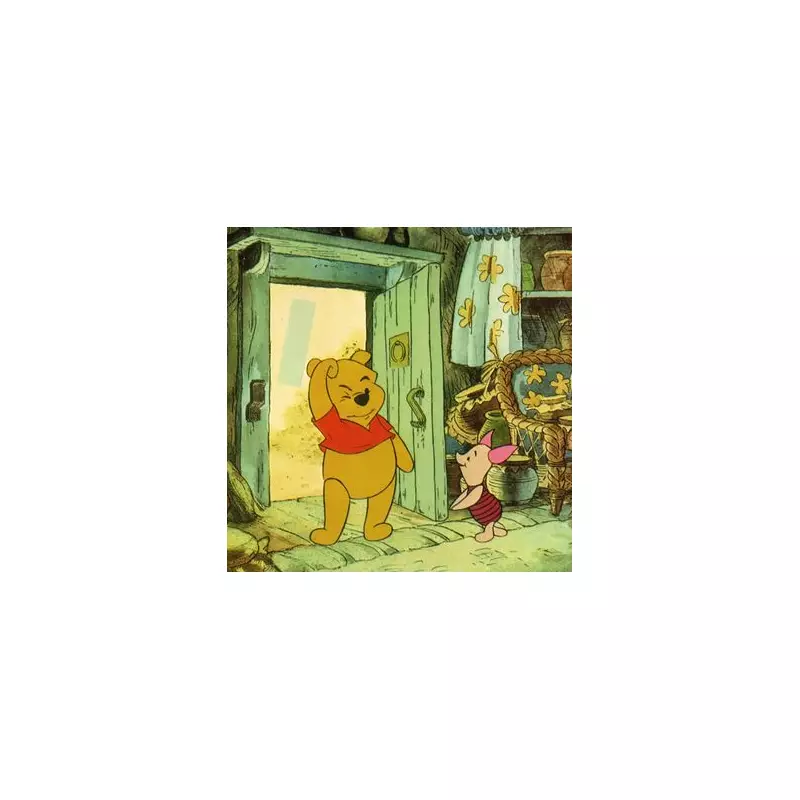
This year marks a very special centenary: the 100th anniversary of Winnie the Pooh. A century after his creation, the honey-loving bear from the Hundred Acre Wood continues to hold a cherished place in the hearts of readers, young and old. As we celebrate Winnie the Pooh Day on 18th January – coinciding with author A. A. Milne's birthday – it's the perfect time to reflect on why these stories remain an unparalleled first step into the world of books for children.
Timeless Lessons in Friendship and Acceptance
Despite originating in the 1920s, the core themes of Milne's work feel remarkably contemporary. The stories gently navigate the waters of friendship, kindness, and imagination through beloved characters like Pooh, Piglet, Tigger, and Eeyore. Each inhabitant of the Hundred Acre Wood possesses a defining personality trait, from Pooh's thoughtful simplicity to Eeyore's melancholic outlook.
Critically, the narratives celebrate these differences rather than criticise them. As noted by literary resource Grade Saver, one of the primary lessons is to "place value on what makes someone different from you". This message of acceptance is delivered without being crass or overtly moralistic, making it easily digestible for a young audience. The tales model a compassionate community where cooperation triumphs over competition, a vital lesson for any generation.

A Cosy Introduction to the Literary World
For many, the first encounter with these stories is a warm, sensory memory. The experience of being read to, coupled with the gentle prose and evocative illustrations, creates a deep sense of comfort and security. This emotional resonance is key to fostering a lifelong love of reading.
The books serve as an ideal first wander into the literary world because they operate on multiple levels. Very young children can enjoy the rhythm of the language and the pictures, while slightly older readers begin to grasp the nuanced interactions and humour. This accessibility ensures that enjoyment isn't dependent on full comprehension, allowing early positive associations with books to form.
The Enduring Power of Childhood Imagination
At its heart, the Winnie the Pooh series is a celebration of childhood imagination. Milne never disguises the fact that these characters are Christopher Robin's stuffed toys, brought to life through play. This meta-narrative invites readers to suspend their disbelief and engage wholeheartedly with the fantasy.
This aspect teaches both children and adults the value of creative play and seeing the world through a lens of wonder. In an age of rapid digital stimulation, the quiet, thoughtful adventures in the Hundred Acre Wood offer a timeless sanctuary. They remind us that profound truths about friendship, resilience, and kindness can be found in the simplest of tales – a legacy that ensures Winnie the Pooh will be welcoming new readers for the next 100 years.