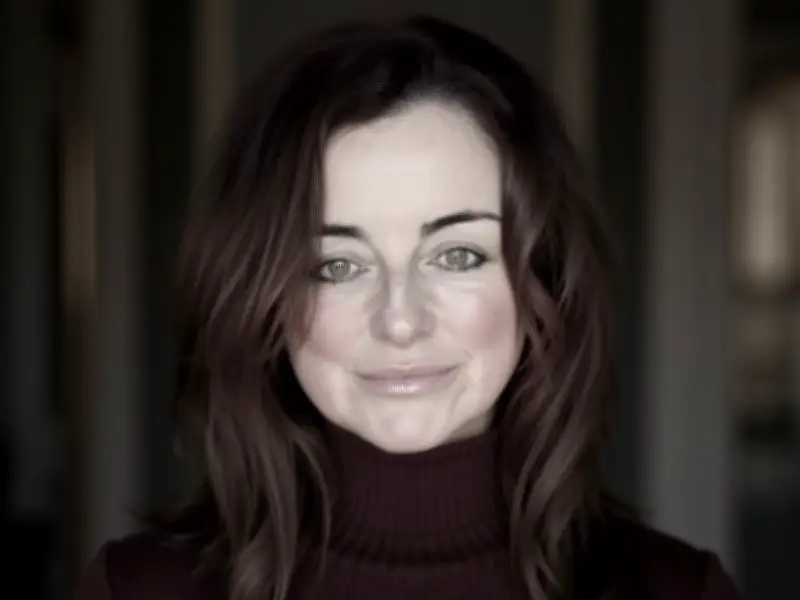
Dr Tracy King, a clinical psychologist and expert witness in criminal and family law, has explained why nine out of ten bestselling novels in the UK feature a woman being murdered. This week's top ten books in the Sunday Times bestseller list includes nine books that involve the death of at least one female character.
Bestseller List Analysis
The top 10 includes The Secret of Secrets, The Correspondent, The Divorce, The Names, The Family Friend, The Widow, The Impossible Fortune, The Hallmarked Man, My Husband’s Wife, and Boleyn Traitor. The Correspondent is the only book that does not feature a woman’s death, and five of the nine books were written by women.
Psychological Explanation
Dr King, 57, from Kent, said that women are the main audience of these novels. She stated: “For women to read and write about women being harmed, it can represent a controlled threat rehearsal. There's lots of domestic violence, lots of coercion and control that women are victims of, and by writing about it in this way, it's almost like women are enabling themselves to look at what the worst case scenario is and somehow feel a bit more prepared. It's not a conscious thing. People aren't necessarily thinking, ‘Oh, I feel scared, so therefore I'm going to read a book about murder’, it's not that literal. It's an unconscious process that we're drawn to seeing things that feel horrible and harmful because it gives your nervous system a threat rehearsal.”
Gender Differences in Risk Perception
She said this is a result of the different threats and fears that women face in society. Dr King said: “We as women have a level of risk that maybe men don't always have. Obviously, the men do get harmed, but it seems it's slightly different. Women are taught to watch their drinks in places, taught to share our location with people, assess the mood of our partners, know who's walking behind you, calculate whether it's safe to say no to someone etc. Crime fiction takes this everyday vigilance and kind of gives it a bit of a stepped process for women to almost go through, because there's a victim, a threat, some clues, and then there's an explanation. It makes the unknown of the risks that we might come across in life, a bit more knowable by following that plot through. This isn’t a conscious thing. I don't think women are living in a state of absolute terror, and that's why we're doing this. I think it almost provides an escape with a little added bonus of preparation of the protective curiosity.”
Impact on Domestic Violence Survivors
Women in domestically violent or controlling relationships can often be drawn to crime novels as a way to rationalise their relationships, Dr King analysed. She said: “I've had lots of clients that are in domestic violence relationships and controlling relationships and have left them, and a lot of women have an interest in crime fiction. I think it kind of helps them to see that there's a way out, or other people are having these experiences, and it allows them to connect with actually what's happening is not right. Very often, in terms of survival mechanisms, if someone is in a controlling and coercive relationship, for example, they will normalise it, but actually, reading these books has been a point of awareness for women to say ‘if I don't do something, if I don't step back from this relationship, this worst case scenario could happen to me’.”
Potential Risks for Some Readers
She assured that these books do not normalise violence against women, but this is dependent on the readership. Dr King said: “However, it depends on who the readership is, because I work in forensic settings as well, and I work with men who are committing violence against women, so if you had a male that was obsessively reading these kind of books, it could feed into some sort of fantasy that they had.”