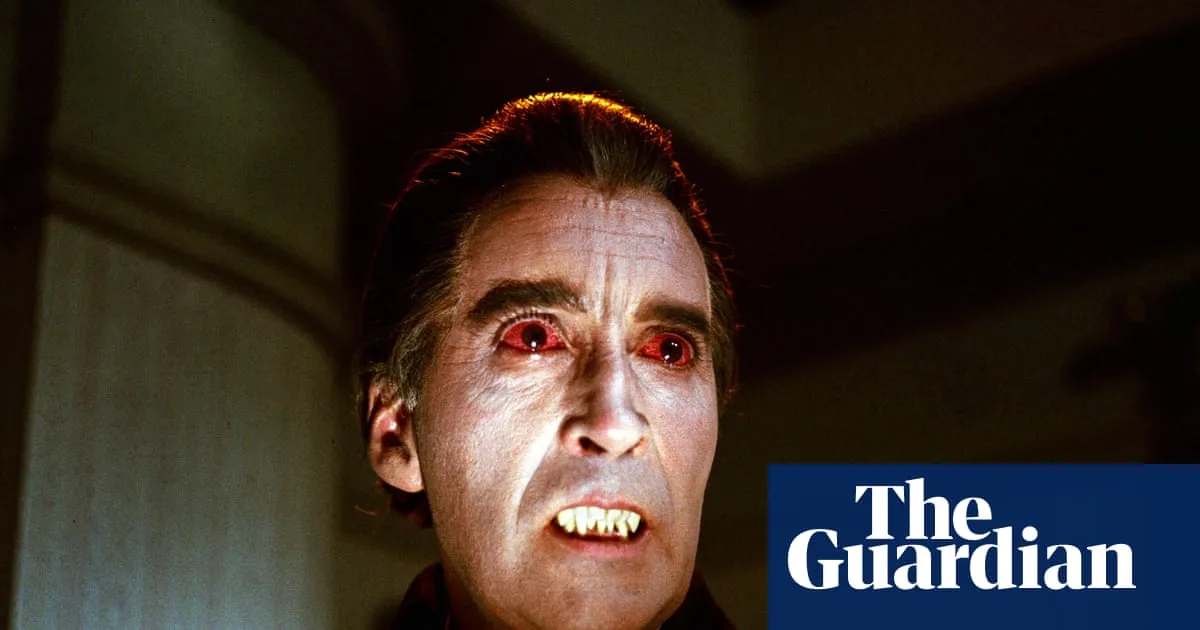
The word 'vampire' first entered English in early 18th-century accounts of a revenant panic in Serbia. In 1725, a peasant named Peter Blagojević reportedly rose from the dead, demanded his shoes from his wife, and killed nine people. When exhumed, his mouth was full of fresh blood; villagers staked and burned the body. By 1745, a pamphlet described vampires as 'dead persons animated by evil spirits' that suck blood and destroy the living.
Historian and archaeologist John Blair argues in 'Killing the Dead' that belief in the unquiet dead is ancient and global, lying dormant for centuries before erupting in 'epidemics'. Archaeological evidence shows bodies decapitated, nailed down, or secured with sickles and padlocks to prevent them rising. In 16th-century Poland, a woman was buried with a sickle across her throat and a padlock on her toe.
Blair classifies these 'dangerous corpses' as variations of a single theme: the dead persecuting the living. They appear as shroud-chewers, lip-smackers, suckers, bloaters, night-stranglers, and night-mares. A 15th-century Breton baker rose to knead dough and throw stones at neighbours. In 19th-century New England, tuberculosis victims were exhumed and incinerated on suspicion of killing from the grave.
Corpse-killing panics, Blair suggests, arise when endemic beliefs are animated by stress. In medieval England, vampire scares followed Black Death waves; in Reformation Saxony, the abolition of purgatory left grieving families seeking new answers. The largest known panic, in 18th-century Moravia, involved hundreds of bodies, linked to 'unfinished business' from witch trials. Only later did vampires appear in Transylvania.
Blair notes that killing dead people again can be 'therapeutic', offering closure. This practice persists: vampires still trouble rural Greece and the Baltics, and in 2019 a Serbian priest was suspended for exhumation and staking of a woman. As for Bram Stoker's Dracula, Blair dismisses it as 'misleading' and unlike historically feared corpses, though he praises Stoker for coining the word 'undead'.