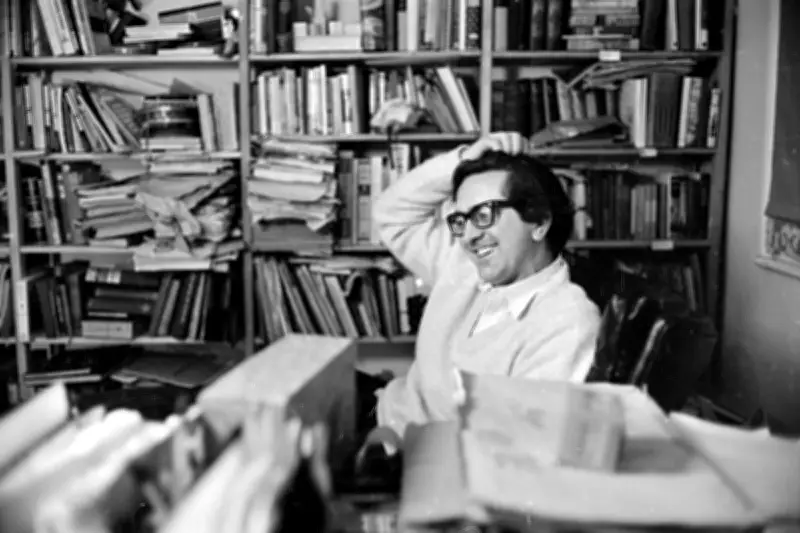
Prolific British author Len Deighton, renowned for his gripping spy thrillers, has died at the age of 97. His passing marks the end of a distinguished career that spanned decades, leaving an indelible mark on literature and popular culture.
Launch of a Literary Career
Deighton's debut novel, The Ipcress File, published in 1962, catapulted him to fame and set the stage for his prolific output. This groundbreaking work was adapted into a 1965 film starring Michael Caine, cementing its status as a classic, and later inspired an ITV series, showcasing its enduring appeal.
Influence on the Spy Genre
Deighton's gritty and realistic portrayal of espionage provided a stark contrast to the glamorous world of James Bond, offering readers a more authentic view of intelligence work. Alongside authors like John le Carré, he helped redefine the spy genre, emphasizing complexity and moral ambiguity over sheer spectacle.

Extensive Bibliography and Diverse Works
Beyond The Ipcress File, Deighton's extensive bibliography includes the acclaimed Bernard Samson series, which delves deep into Cold War intrigue. He also authored World War II novels such as Bomber and SS-GB, blending historical detail with thrilling narratives. Additionally, he contributed to historical non-fiction, demonstrating his versatility as a writer.
Culinary Contributions and Cultural Impact
In a surprising twist, Deighton was also a food correspondent and author of several cookbooks, most notably Len Deighton’s Action Cook Book. This work is credited with popularising French cuisine in Britain and encouraging men to take up cooking, breaking gender stereotypes and expanding his influence beyond fiction.
His dual legacy in both espionage literature and culinary arts highlights a unique career that resonated across different spheres. Deighton's death is a significant loss to the literary world, but his works continue to inspire readers and cooks alike, ensuring his memory lives on.