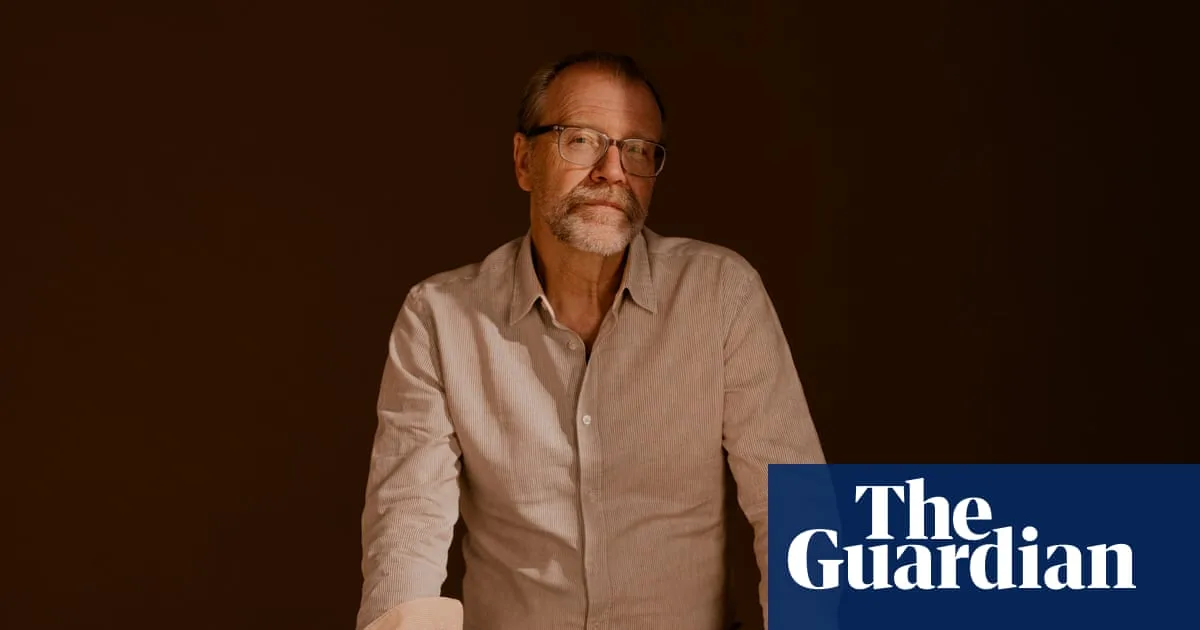
George Saunders on Mortality, Ghosts & Empathy in 'Vigil'
George Saunders on Mortality and New Novel 'Vigil'

Acclaimed author George Saunders, who won the Booker Prize in 2017 for Lincoln in the Bardo, has returned with another metaphysical ghost story. His new novel, Vigil, published by Bloomsbury on 27 January, explores legacy, mortality, and climate change through the haunting of a dying oil tycoon.

A Lifelong Fascination with the Final Frontier

Saunders, now 67, admits that death has always been a "hot topic" for him. "It's so unbelievable that it will happen to us, too," he reflects, noting that as he ages, the subject becomes more "interesting". This preoccupation draws him repeatedly to the ghost story form, which he finds offers a more truthful way to capture a moment in time. "If you were really trying to tell the truth about this moment, would you so confidently narrow it to just today?" he asks, suggesting that memories and the past are always neurologically present.

His own brush with mortality came about 25 years ago on a passenger flight from Chicago that was struck by geese. Despite being a dedicated Tibetan Buddhist meditator at the time, he experienced pure, identity-stripping terror. The plane landed safely, but the aftermath brought a week of euphoria—a fleeting, profound appreciation for life that he now chases in his writing.

Writing as a Sacramental Act of Empathy

For Saunders, literature is a tool for moral and spiritual betterment. He sees writing as a "sacramental act" that forces both author and reader to transcend themselves and exercise compassion. This philosophy is embodied in the ghosts of his novels, who can literally step into each other's minds. In Vigil, the spirit of a young woman killed in a bombing enters the consciousness of her killer and later seeks to comfort a dying climate change denier.

The novel grapples with questions of free will and determinism, asking whether our lives and choices are "severely delimited in advance." Saunders doesn't provide easy answers, believing fiction should ask the right questions rather than offer solutions. "My job is to be the rollercoaster designer," he says, aiming for a narrative that produces the maximum amount of intellectual and emotional spark.

Navigating Politics and the 'Partisan War'

Saunders wrote Vigil partly out of curiosity about whether those who obscured climate science have regrets "given the weather." The creative challenge, which he views as a moral one, is to understand how a harmful action can seem good to the person committing it. He is careful to avoid facile sympathy, aiming instead for complex, recognisable humanity.

He expresses deep concern about the current political climate, particularly the rise of authoritarianism and partisan divides. However, he finds that the act of writing fiction—which requires inhabiting multiple perspectives—cultivates a slower, less judgmental, and more interesting mindset. "That in itself made me think I don't have to be so despairing about the partisan political war, because we're all just trapped in that lower mode," he observes, suggesting literature offers a potential, if remote, path to a more empathetic mode of thought.

As he prepares for his book tour in February, Saunders is pondering how to use his platform. He is wary of preaching to the converted but also reluctant to be a peacemaker for what he sees as a dangerous political regime.

For now, he is enjoying a quieter period in Los Angeles with his wife, writer Paula Redick, their two grown daughters, and their dog. He remains committed to his core practice: "just keep making fictive worlds." By improving the quality of his thought and compassion through writing, he believes he will be better equipped for whatever comes next.