Cees Nooteboom: A Voice of Wit and Melancholy in Travel Literature
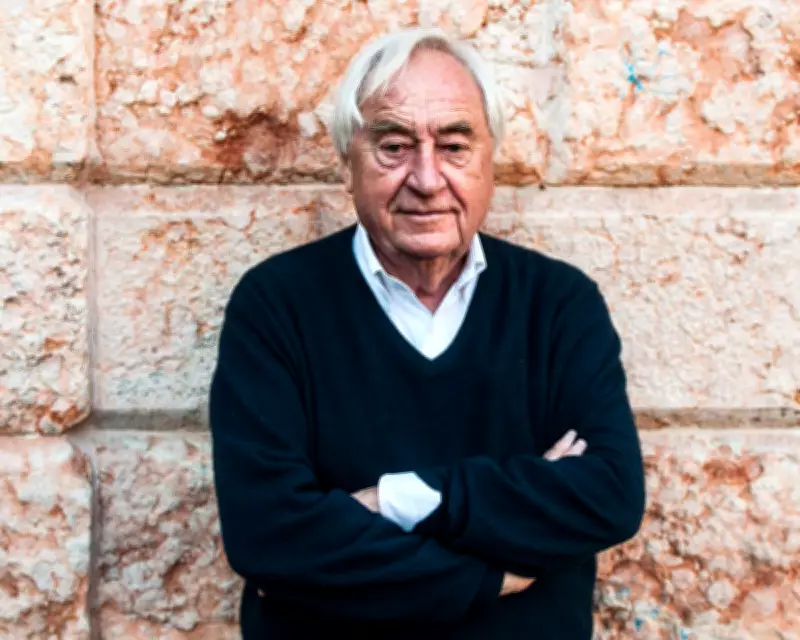
The passing of Cees Nooteboom, the esteemed Dutch novelist and travel writer, at the age of 92 marks the end of an era for literary enthusiasts. Born in 1933 in the Netherlands, Nooteboom crafted a prolific body of work spanning over 60 books, including fiction, poetry, reportage, and travel writing, though only about a dozen have been translated into English. His unique perspective, shaped by personal tragedy and a lifelong fascination with movement, made him a chronicler of departures and historical introspection.
History Inscribed in Every Corner
In his acclaimed travelogue Roads to Santiago, Nooteboom reflects on places that magnify emotions through the echoes of past travellers. He notes that while travellers exist in every age, some face a particular sorrow: departing with no hope of return, turning the voyage into a lifelong journey. This theme resonates throughout his works, such as The Following Story, Nomad’s Hotel, The Foxes Come at Night, and Lost Paradise, where characters and subjects navigate roads that reveal histories fading from memory and past cruelties rekindled.
Nooteboom's early life was marked by loss; his father died during World War II when he was 12, and his first memories were of bombings and destruction. This backdrop influenced his exploration of history as something inscribed everywhere—in love affairs, ageing bodies, monuments, conversations, silence, and stone. His writing is characterized by a wry, lucid, and often comic style, always attentive to the nuances of human experience.

A Personal Connection: All Souls' Day and Grief
For many readers, Nooteboom's work holds a deeply personal significance. One such reader recounts a poignant moment over two decades ago when, upon returning home from university, they discovered a distressing message on an answering machine. Unable to reach family, they turned to the nearest book, All Souls' Day, with only 20 pages left. Reading slowly, they sought refuge in fiction to delay the inevitable. When the phone rang again, six pages remained, and they learned of their mother's sudden death from heart failure.
This experience led to a life of movement, with the reader carrying All Souls' Day as a tangible piece of the past. Fifteen years later, revisiting the book, they found solace in its final pages, where Nooteboom describes a cemetery where women and children tend graves, creating a "dream world stretching out to the horizon" and a "ship of joy." The novel teaches that we never fully leave the dead behind; someone must bring flowers to mark All Souls' Day, a day belonging to all souls.
Accountability to the Present Through Travel
Nooteboom's writings demonstrate how to engage with history while remaining accountable to the present. His voice brims with passion, wit, and melancholy, often returning to Spain, a country that mirrored his inner self. In works like Nomad's Hotel, he describes the traveller as someone assembling falsehoods to create a plausible past, a game of continuity that shores up the contemporary world through memory and recognition.
His journey to Iran in 1975 exemplifies this approach. Confronted by millennia of history, he grapples with describing Isfahan's dome, nearly giving up before capturing the light that "floats, pooling, piercing, threading" through stone pillars. He reflects on political issues, such as the shah's regime, torture, and grief, questioning his place as an observer. Nooteboom often asked, "Who am I to be here?" emphasizing the traveller's role as both absence and presence.
Legacy and Niche in History
Despite being lauded for decades and frequently mentioned as a Nobel Prize contender, Nooteboom never achieved widespread readership in English. Readers often discovered him by chance or through recommendations from Dutch and German friends. His works, like All Souls' Day, arrived when needed most, offering an ever-enlivening conversation that feels like losing a friend upon his death.

In the end, Nooteboom's legacy is one of historical niches—places where much lies in wait or is lost forever. He taught that to be a traveller is to embrace both absence and presence, a lesson that continues to resonate. As Arthur Daane reminds us in All Souls' Day, someone must bring the flowers; here, we offer ours in tribute to a literary giant whose insights into history and humanity remain timeless.