As December arrives, ushering in the annual deluge of 'Best of the Year' lists, a quiet counter-movement is gaining momentum. While publications champion the newest books, songs, and TV shows of 2025, a significant cultural experience this year has been looking resolutely backwards. From revival cinema screenings to needle-drop moments in new films, 2025 has been a remarkable year for rediscovering the classics.
Silver Screen Revivals: Noir and Slacker Charm
Fuelled by platforms like Letterboxd and film podcasts, repertory cinemas are enjoying a renaissance. A standout experience for many has been witnessing Jean-Pierre Melville's Le Samouraï on the big screen. The 1967 noir, starring a trenchcoat-clad Alain Delon navigating a minimalist Parisian underworld, is a masterclass in cool, now surprisingly available to stream on Prime Video.
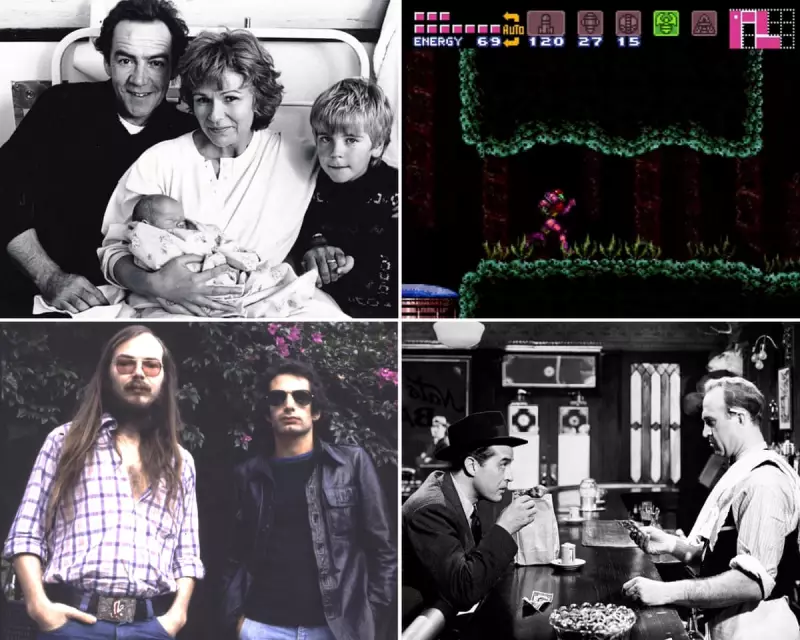
Another cinematic revelation was Billy Wilder's harrowing 1945 drama, The Lost Weekend. Its status as one of only four Palme d'Or winners to also secure the Best Picture Oscar (alongside Parasite, Marty, and 2024's Anora) prompted fresh viewings. The film's unflinching look at alcoholism remains powerfully potent.

In a year with two new Richard Linklater films, revisiting his 1991 breakout Slacker proved its enduring magic. The meandering journey through early-90s Austin, Texas, populated by defiantly odd and unemployed characters, is a film that risks feeling dated. Instead, its hypnotic, philosophical ramble remains a world audiences yearn to inhabit, proving its timeless appeal.
Television Treasures and Musical Deep Dives
Beyond film, television offered its own archival gems. With shows like Adolescence dominating 2025, Alan Bleasdale's 1995 Channel 4 drama Jake's Progress emerged as a fascinating precursor. This tale of a dysfunctional Liverpool family grappling with a pyromaniac child is grand in its 90s acting and score, yet retains a compelling, perceptive rawness.
On the music front, the industry's much-discussed challenges led to poignant rediscoveries. A Stereogum article by Jagjaguwar founder Darius Van Arman highlighted the stark reality for older albums, citing Drunk's A Derby Spiritual (1996). This backwoods indie-folk record, reminiscent of Bonnie Prince Billy, has reportedly earned just $100 from Spotify streams in 15 years—a bleak statistic for a hidden gem.
Meanwhile, the new album by Zamrock veterans Witch sent listeners back to their 1970s heyday. Their self-titled final album before a disco reinvention is filled with summery, psych-tinged tunes. The year's best musical moment in film for many was the use of Steely Dan's 'Dirty Work' in One Battle After Another, soundtracking a stoned parent-teacher meeting. Such moments undoubtedly skew one's 'listening age'—a new Spotify Wrapped feature—delightfully backwards.
Page-Turning Wit and Console Time Travel
The literary world provided its own timeless joy with Lorrie Moore's 1985 debut short story collection, Self-Help. Moore's sardonic, clever tales, written in the second-person imperative with titles like 'How to Be an Other Woman', expertly skewer the self-help genre while exploring womanhood, loss, and family with both snark and profound depth.
For gamers, the Nintendo Switch 2's online retro library offered a treasure trove. Highlights included finally completing the sci-fi horror masterpiece Super Metroid, and discovering quirky curios like 2005's Chibi-Robo!—a game about a miniature robot dutifully assisting a girl in a frog hat. These experiences underscore that great gameplay is eternally contemporary.
This cultural time-travel offers a vital respite from the relentless 'new'. It proves that the best cultural diet is a rich blend of the contemporary and the classic, where a 1945 film can resonate as strongly as a 2025 series, and a forgotten 1996 album can feel like a fresh discovery. In an era of algorithmic feeds and fleeting trends, seeking out these older works is not a sign of dated taste, but of curious, discerning consumption.